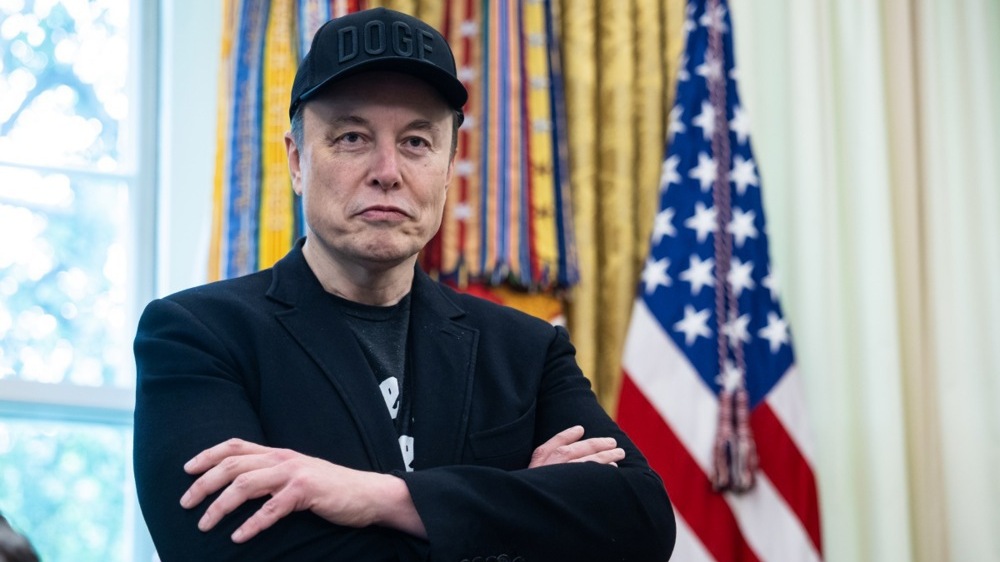
Brief: Musk's new IPO formula
According to Reuters, Elon Musk is discussing the possibility of offering up to 30% of SpaceX shares in an initial public offering — significantly more than is usually allocated to retail investors. The listing structure presented by Chief Financial Officer Bret Johnsen is said to deviate from traditional Wall Street practices: the company seeks to control the composition of shareholders and the behavior of the shares after going public. The plan is not final and may change.
What is known
Reuters reports that, as part of this strategy, Musk allegedly personally selected Bank of America to work with retail investors in the U.S. The company is assigning narrow roles among banks based on personal ties and prior cooperation, rather than the usual competition for clients. SpaceX and Bank of America did not respond to the agency's request.
"This is one of those moments in life when people feel they just have to invest"
— Rovan Taylor, managing partner at Liberty Hall Capital Partners
Why the market may pay attention
If the valuation really reaches the range of up to $1.75 trillion, this could potentially make the IPO one of the largest in modern history and test retail investors' willingness to put money into large private technology companies. Earlier Western media reports pointed to significant internal valuations of SpaceX: in December 2025 there was talk of a valuation of around $800 billion as part of a share buyback deal, and earlier OpenAI was valued at $500 billion.
Implications for the industry and for Ukraine
SpaceX is not only an innovative private company but also an important service provider for NASA and the Pentagon. The very fact of such a large IPO reinforces the company's role in the global space supply chain and affects the competitive landscape. For Ukraine this carries several practical consequences:
- Positive: higher capitalization could mean increased investment in launch services and infrastructure development: more launch slots on Falcon rockets — potentially more opportunities for Ukrainian satellites and communications projects.
- Risks: the growing role of a single private player increases dependence on it for military-targeted and civilian missions, which has a geopolitical dimension.
- Commercial opportunities: Ukrainian startups and scientific programs may gain broader access to commercial launches, but this will require active negotiations and diversification of suppliers.
What to watch next
Key questions markets and partners will be watching are the final size of the offering, the mechanisms to guard against rapid sell-offs after listing, and whether the role of retail investors will be preserved at the stated level. It will also be important to see how regulators and large institutional investors react to the unconventional approaches to allocating roles among banks.
Conclusion
An IPO of SpaceX in the proposed format is not just a financial event. It is a test of private investors' trust in a major technology platform and a potential catalyst for changes in the market architecture of space services. For Ukraine it opens both opportunities and challenges: from access to launches to increased strategic dependence. The next moves are now with regulators, institutions, and those partners who can turn declarations into practical cooperation mechanisms.
Sources: Reuters, industry valuations 2025–2026, LIGA.net analysis on U.S. dependence on SpaceX.







