About the memorandum
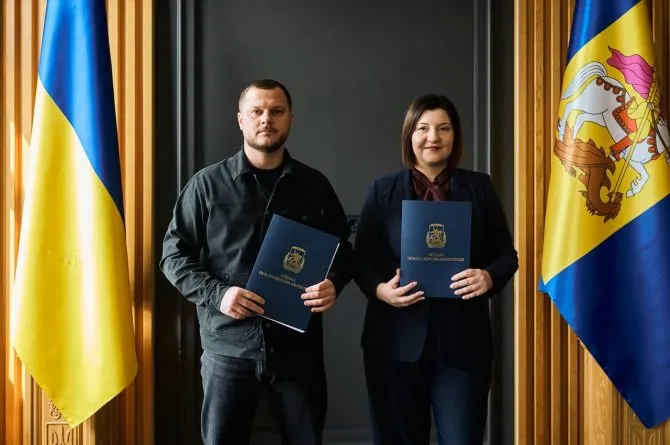
The Kyiv Regional Military Administration and the Swiss‑Ukrainian project DECIDE have officially extended their cooperation for the next four-year period; the document also defines strategic directions for the development of the region’s education system through 2030. For the reader this matters not as a bureaucratic act, but as an action plan that directly affects the chances of children and young people to find work and build their lives in their home communities.
What’s a priority
The memorandum outlines several key directions: the development of a network of academic lyceums, the construction of a new model of profiled secondary education, and the creation of a system of career guidance through partnerships between education, business and communities. A separate focus is strategic planning: preparing a regional education development strategy, supporting communities in implementing local solutions, and forming educational agglomerations.
Real cases and scale
These are not just words: DECIDE has already supported the creation of a modern career guidance hub in Brovary and a culinary career guidance space in Vasylkiv. More than 6,000 children and adolescents have been involved in the initiatives. In the Borodianka community, reconstruction of an inclusive resource center for children with special educational needs is underway — another example of direct investment in human capital.
“For us it is fundamental that education in the region is not detached from life, but creates real opportunities for children and young people. That graduates understand their prospects and can realize themselves here, in their communities.”
— Mykola Kalashnyk, Head of the Kyiv Regional Military Administration
Implementation in communities
Currently 24 communities in the Kyiv region are working with experts on implementing the reform of upper secondary specialized education, and another 16 are involved in piloting a career guidance system. This means reforms are moving not from the center down, but from the bottom up: from individual schools and communities to the regional system.
Why this matters
In wartime and post-war conditions, investment in education is an investment in the region’s resilience. The new model of profiled schooling and a developed career guidance system reduce the risk of youth outmigration and increase the chances for local economic development. Experts point out that effective cooperation between authorities, donors and business is the key for declarations to turn into jobs and real pathways for graduates.
Brief conclusion
The signed memorandum is not the finish line, but the start of extensive practical work. The next steps will be measured not only by promotional highlights or renovated premises, but by the number of graduates who find employment in their communities and by schools’ ability to adapt to market needs. Whether successful cases can be scaled across the entire region depends on the speed of implementation and actual coordination between the Regional Military Administration, communities and partners.