What is known
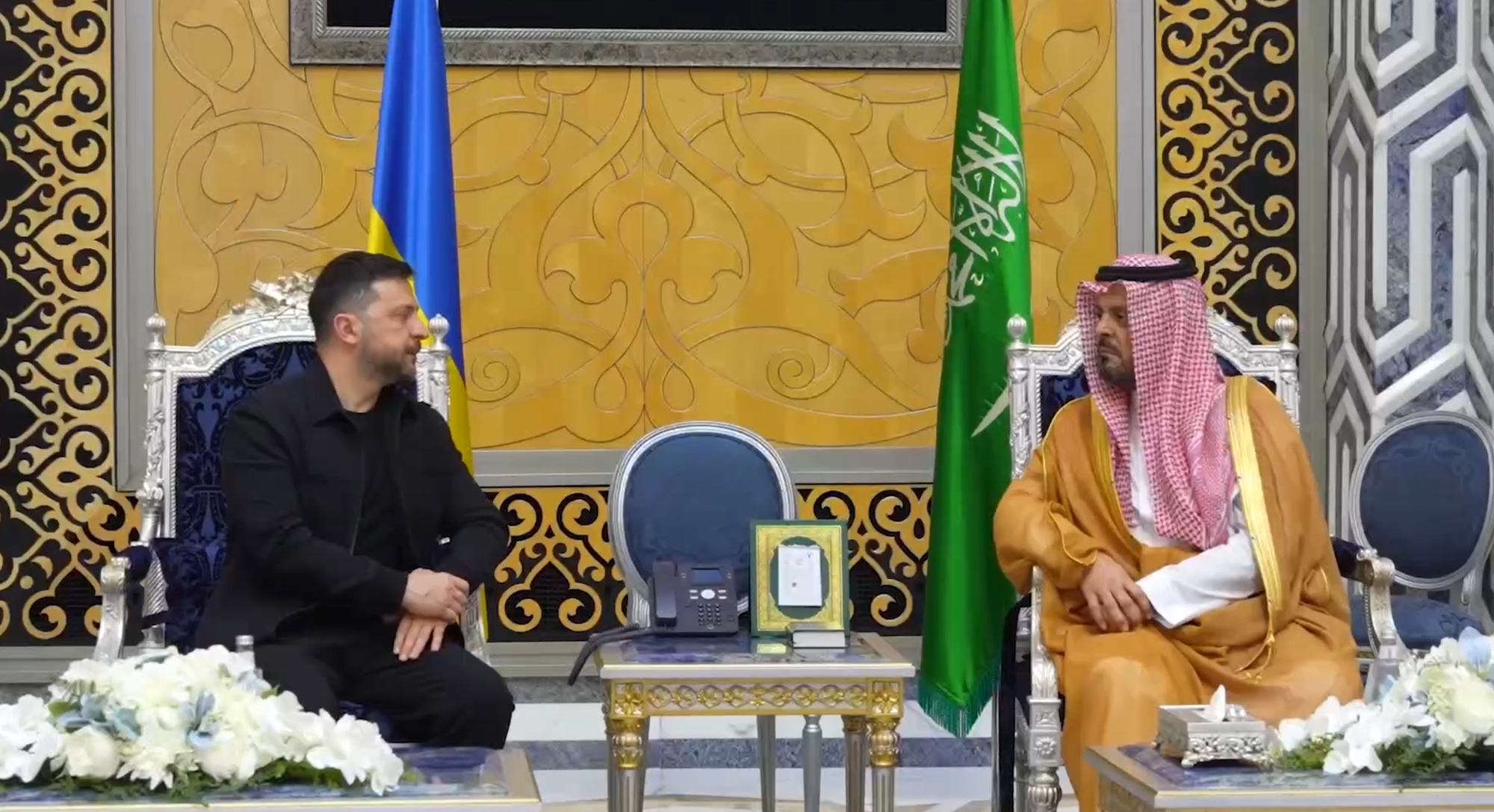
According to AFP, citing Bloomberg, Ukraine and Saudi Arabia intend to sign an agreement on cooperation in the field of airspace security. Official details have not yet been disclosed; sources say the document will be signed with Crown Prince Mohammed bin Salman.
Why this matters for Ukraine
Kyiv seeks to convert its battlefield — experience countering Russian drones — into tangible assistance. More than 200 Ukrainian specialists and interceptors have already been sent to several countries in the region; at the same time Ukraine says it needs scarce air-defense missiles to protect against missile strikes from Russia. Such an exchange is not a simple trade: it is a strategic operation to turn knowledge into defensive capabilities.
Regional context
After US and Israeli strikes on targets in Iran, the threat of drone attacks in the region has increased; the Persian Gulf states are looking for fast and effective solutions. As Serhiy Danylov, deputy director of the Center for Middle Eastern Studies, noted in a comment to LIGA.net, the escalation could affect Ukraine's interests far more than it appears if tensions spread to adjacent theaters.
What exactly Ukraine offers and what it asks for in return
Kyiv offers practical expertise in detecting and destroying "Shaheds", crew training and the transfer of interceptors. In return — a pragmatic request for deliveries of air-defense missiles and components that Ukraine itself lacks to counter Russian missile strikes. It's not just about hardware, but about the speed and prioritization of deliveries.
Risks and open questions
Several key unknowns remain: the volume and format of transfers, the legal limits of cooperation, the role of third partners, and whether foreign suppliers will agree to reallocate weapons. Diplomatic nuance is another factor: such arrangements need to be coordinated with Ukraine's traditional partners to avoid unnecessary friction.
"Rhetoric is rhetoric. The main thing is that we know what we are doing."
— Volodymyr Zelenskyy, President of Ukraine
Conclusion
If the agreement is signed and implemented in practice, it could become an example of pragmatic foreign policy — exchanging expertise for critical defensive means. For Ukrainian society the key question remains simple: will this diplomatic move turn the knowledge of our specialists into missiles and systems that will actually protect Ukrainian skies?





