IEA initiated a collective release — US opens the first tranche
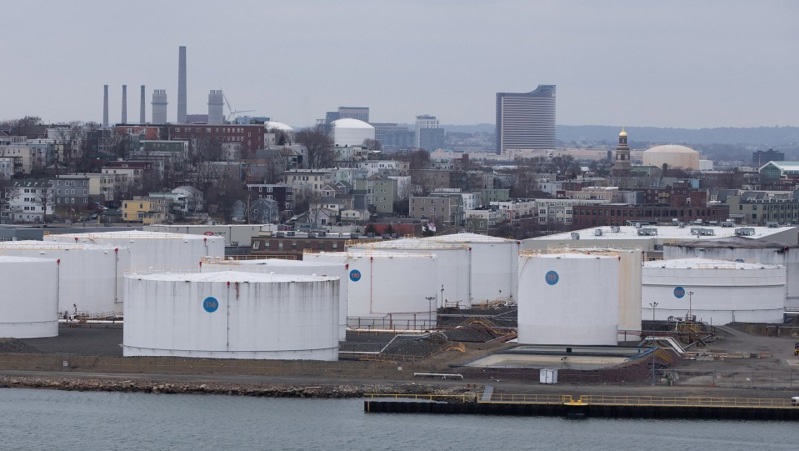
The U.S. Department of Energy published a request for proposals for an exchange of up to 86 million barrels of crude oil from the Strategic Petroleum Reserve (RFP, March 13). This is the first tranche of about 172 million barrels that the United States plans to provide as part of the 400 million barrels collective release initiated by the International Energy Agency (IEA).
Under the plan, supplies are expected to start reaching the market by the end of next week. The goal is to lower prices for crude oil and derivative products (gasoline, diesel, jet fuel), which rose after the escalation in the Middle East. The agreement foresees that companies will return the borrowed oil along with additional barrels as a premium.
"Supplies of oil from the U.S. Strategic Petroleum Reserve are expected to start reaching the market by the end of next week."
— U.S. Department of Energy (RFP, March 13)
How it works and why it could work faster
To speed up the process, the government is favoring direct negotiated contracts instead of tenders and will initially use private inventories of wholesale suppliers — these can be quickly directed to the market because they do not require additional transfer to distributors. Japan is preparing a similar step: private stocks will go first, then part of the government reserves, writes Nikkei.
What this means for Ukraine
Short answer: a potential temporary easing of the price shock. A fall in the cost of crude on the global market could provide relief for imported fuel, but the effect for the end consumer in Ukraine will depend on several factors: the state of logistics, the operation of refineries, volumes in ports, the exchange rate and taxes.
For defense and critical infrastructure, even a short drop in prices is important — it reduces pressure on fuel supplies for logistics and special operations, and also provides room for budgetary maneuvering. However, this does not solve systemic energy resilience challenges: Ukraine needs diversification of supplies, accumulation of strategic reserves, and coordination with partners.
Final conclusion
The IEA initiative and the rapid reaction by the U.S. and other countries can temporarily restrain price growth — it is an opportunity for Ukraine to reduce short-term pressure on the fuel market and the budget. However, numerous transmission channels (logistics, refining, taxes, exchange rate) will determine how quickly and fully this relief reaches Ukrainian consumers.
Whether this will be enough for a sustained price reduction and to ensure stable logistics during crises is an open question; the answer depends on actions by both international partners and Ukrainian energy policy.







