What the court decided
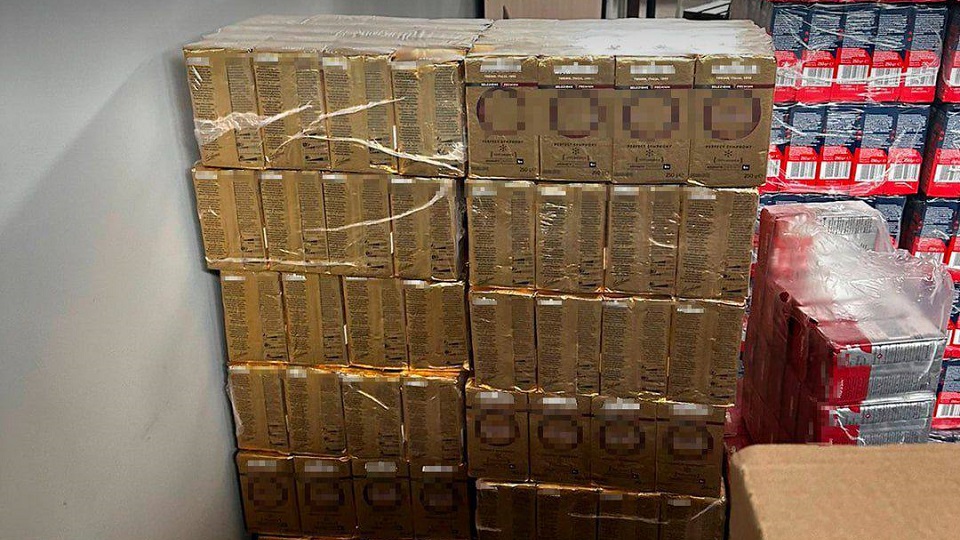
The court found participants in an organized scheme for clandestine production and sale of counterfeit coffee presented as global brands guilty. In addition to suspended sentences, the court ordered the confiscation and destruction of hundreds of kilograms of counterfeit products. According to the registry, at least 766.25 kg of coffee under the Lavazza trademark were seized (excluding goods with unspecified weight).
How the scheme operated
According to the Bureau of Economic Security (BES), the operation ran from warehouses in Kyiv region: filling/packaging equipment, printing, transportation and online trade — all of this made it possible to pass off counterfeits as originals and sell them wholesale and retail through online platforms, retail outlets and markets. Among the counterfeited products were ORO, Lavazza Crema e gusto and Dallmayr Ethiopia.
"Equipment, finished products, vehicles, cash and documentation were seized. Part of the property was returned, which allowed illegal activity to resume"
— Bureau of Economic Security of Ukraine (based on court registry materials)
Consequences for consumers and the market
Counterfeit coffee is not just a matter of brands. It's a matter of safety and economics: unknown additives, lack of quality control, tax evasion. The economic losses from such schemes — for both manufacturers and the state — are measured in millions of hryvnias.
Handing over cars to the army: symbolic and practical
By court decision, six seized vehicles with an estimated value of about 4 million UAH were transferred to the needs of the Armed Forces of Ukraine. Earlier, in July, 11 luxury cars were seized as part of the investigation. The transfer of equipment is a practical outcome, but it does not solve the problem of the sources of financing for criminal networks.
Why this matters and what to expect
This case offers several key lessons: first, demand for cheaper alternatives creates a market for counterfeits; second, insufficient control over seizure and management of seized assets can allow criminals to return to business; third, the court's result shows that some assets can become a resource for the state if decisions are implemented promptly.
Brief forecast
Expect increased inspections along logistics chains and growing attention to e‑commerce as a channel for distributing counterfeits. For consumers this means: choose verified sources, pay attention to labeling and receipts. For the state — formalize practices for swift seizure and disposition of assets so that such investigations do not become a recurring problem.
Context: Earlier the BES also shut down underground workshops producing food products and counterfeit clothing; market analysts call for combining criminal proceedings with faster confiscation and transparent redistribution of property for public needs.







