Briefly
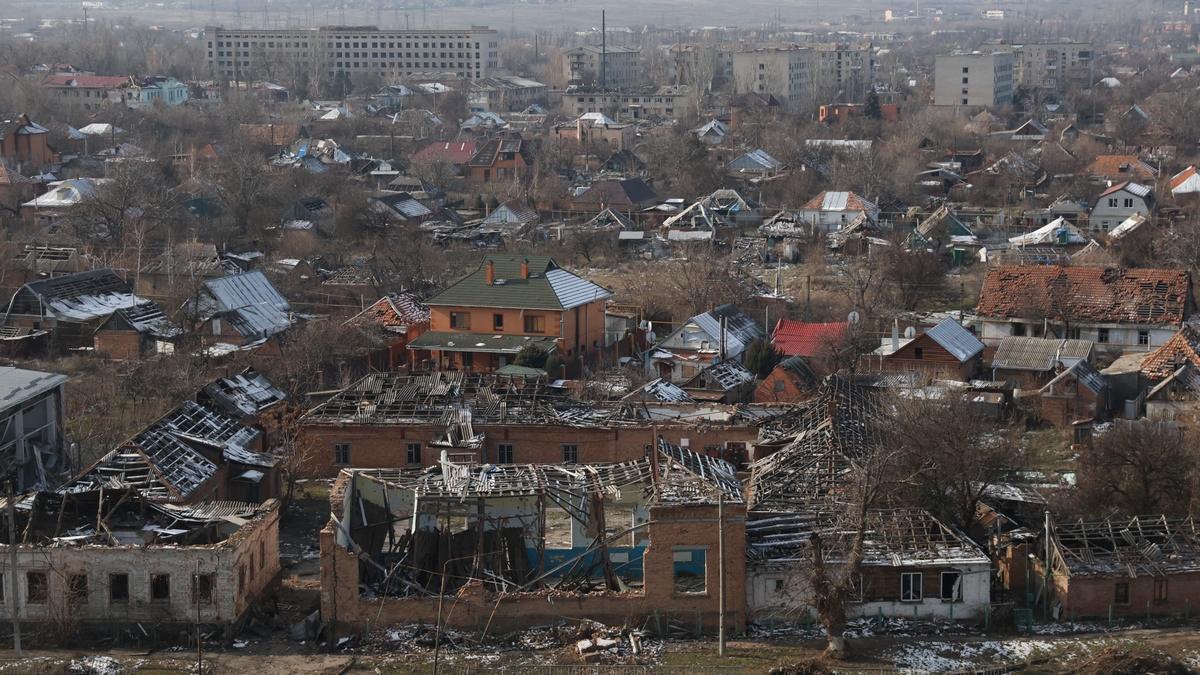
Ukrposhta announced the suspension of operations at branches in the town of Orikhiv and neighboring Preobrazhenka (Zaporizhzhia Oblast) due to a deterioration in the security situation. The decision was taken after the loss of vehicles and frequent attacks on infrastructure in the area.
Why it matters
Postal services are more than just letters. For frontline communities they often remain a channel for communication, payments and logistics. The closure of branches means reduced access to pensions, medicines and communications for people who have stayed in the risk zone.
What happened
Ukrposhta CEO Ihor Smilianskyi said that last week the company lost one vehicle, and the local military administration lost another while trying to assist with evacuation and deliveries.
"Over the past week we lost a vehicle there. The local military-civilian administration lost another vehicle while trying to help us. So, unfortunately, working in these settlements has become not just dangerous — it has become an unacceptable risk"
— Ihor Smilianskyi, CEO of Ukrposhta
Scale of the attacks
According to the Pology district military administration, between 9–15 February 2026 there were about 2,977 strikes on settlements in the district. Orikhiv is regularly subjected to UAV and aviation strikes; it is roughly 40 km from the regional center, Zaporizhzhia.
Consequences for locals and the region
Over the past two years Ukrposhta was the last major operator still working in Orikhiv and Preobrazhenka. The closure of branches automatically raises delivery costs and risks for the residents who remain, and complicates the restoration of everyday logistics after de-occupation.
Employees of the closed branches were offered the option to choose where they want to continue working, reflecting the company’s pragmatic approach: retain staff while minimizing risks.
Context and outlook
Ukrposhta’s decision is the result of a combination of operational losses and a systemic deterioration of security. Analysts note that until the front stabilizes, private and state services will have to adjust their presence along the line of contact. Resuming branch operations will depend on a real reduction in the threat to vehicles and personnel and on security guarantees from the military administration and defense forces.
What to expect
First, the temporary suspension of operations is not necessarily a permanent closure: Ukrposhta expects stabilization and is ready to return under safe conditions. Second, local communities will need alternative channels for payments and deliveries — here the role of the state and international partners becomes key.
Questions for partners and authorities: are there plans to ensure secure logistics and temporary payment mechanisms for residents of frontline communities while the threat continues? The answer will determine the speed of service restoration and the resilience of communities.







