The owner of a small manufacturing facility who installed a gas-piston unit last winter and imported slightly more than half of the electricity consumed would find himself in a worse position this winter. The Cabinet of Ministers raised the protection threshold from blackouts from 60% to 80% — and this is not a bureaucratic detail, but a signal about where the government is pushing business.
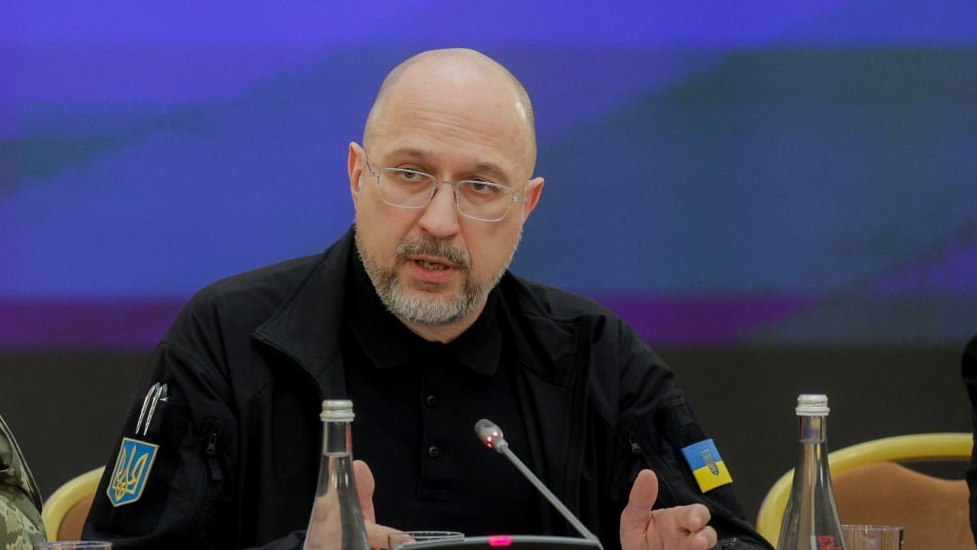
First Deputy Prime Minister of Energy Denis Shmyhal explained the decision by a desire to "create additional incentives for the development of distributed generation and increase electricity imports." In other words, the logic is simple: if you want guaranteed electricity — invest seriously, not halfway.
What changed specifically
Electricity supply restrictions will no longer apply to industrial and commercial consumers in two cases. The first is when at least 80% of consumption is provided by own generation and imports combined. The second is when 80% of consumption is covered by distributed generation within the territory of one distribution network operator.
The mechanism is specifically targeted at gas-piston and gas-turbine units. Previously, from the end of November 2025, the threshold was twice as low — 60% of own production or imports was sufficient to guarantee uninterrupted power supply.
Who benefits and who loses
For large enterprises with resources to install powerful generation, the new standard is an incentive to upgrade the system to the required level. For small and medium-sized businesses that managed to roll in generators under the old 60% threshold, the 80% threshold could prove financially unattainable quickly.
This is where the real conflict in the decision lies: the government wants to increase distributed generation in energy-deficit regions, but raises the entry barrier precisely when business needs it most — in the middle of the hardest winter for the energy system in recent years, with temperatures down to -25°C and massive Russian strikes on power facilities that were restored back in fall 2025.
The mechanism will apply to gas-piston and gas-turbine units of distributed electricity generation and will operate within the territory of one distribution system operator. This will stimulate the construction of new generating capacity, especially in energy-deficit regions," wrote Denis Shmyhal.
Context: resilience plans cost billions
On March 3, the National Security and Defense Council approved resilience plans for all regions except Kyiv, which was added later after a vote in the Kyiv City Council. The then Prime Minister Yulia Svyrydenko estimated the total cost of these plans at approximately 278 billion hryvnias.
- The threshold for exemption from blackouts has increased from 60% to 80% of own generation and imports.
- The standard applies separately for own production plus imports and separately for distributed generation within one network operator.
- The focus is on gas-piston and gas-turbine units in energy-deficit regions.
The question for the coming months: will medium-sized businesses manage to increase generation capacity to the new threshold before the next peak load, or will the new standard rather weed out those who have already invested under the old rules?