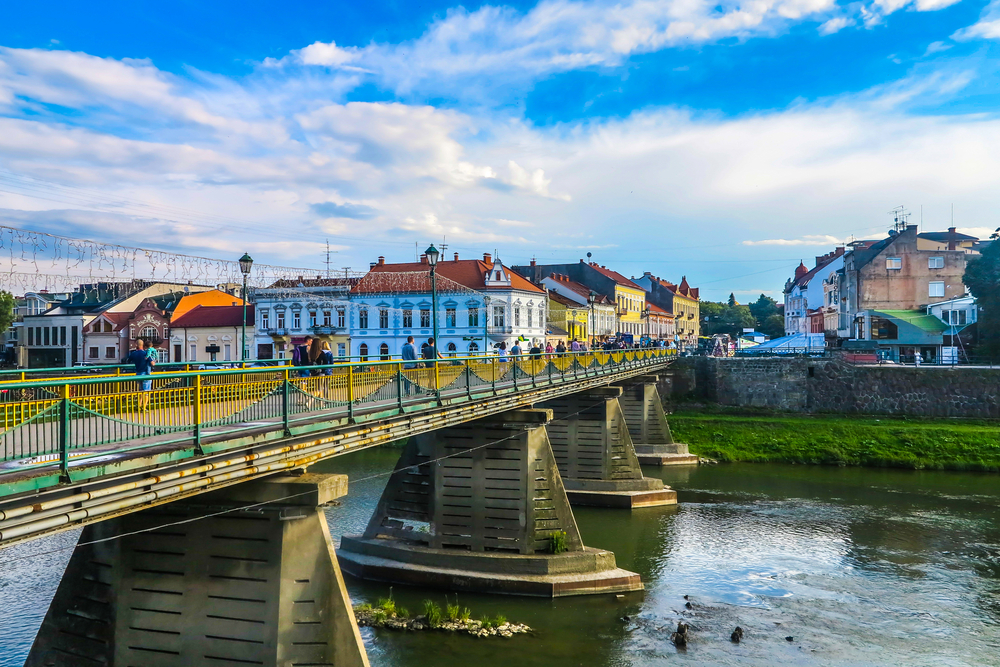
Imagine: you received your salary and immediately gave almost all of it to the landlord. You're left with 8% — for food, utilities, transportation, clothes. This is exactly what reality looks like for an average Uzhhorod resident renting accommodation.
According to rental market research, Uzhhorod has taken the lead by a significant margin in a ranking of the most burdensome cities for renters in Ukraine: 92% of average income goes toward renting a one-bedroom apartment. For comparison, most financial consultants consider a critical threshold to be 30–35%. Uzhhorod exceeds it by nearly three times.
Why Uzhhorod specifically?
The city has found itself in a unique trap created by several factors at once. Uzhhorod is a border city with active transit traffic, tourist demand, and a concentration of displaced persons from more affected regions. Meanwhile, the housing supply remains structurally limited: new construction here has traditionally been minimal, and the old housing stock was not designed for a sharp surge in demand.
The result is rental rates that have become detached from local salaries. The market responds to the purchasing power of newcomers and those earning income from outside — not to the real possibilities of people who have lived and worked here for years.
What this means in practice
The 92% figure is not just a statistical anomaly. It means that legal rental housing is essentially unaffordable for a significant portion of local residents. People either live with multiple families together, depend on informal arrangements with relatives, or simply spend money they mathematically don't have on housing — covering the gap with debt or by forgoing basic needs.
For the city, this is a systemic risk: when teachers, healthcare workers, municipal employees cannot afford to rent housing where they work, the city gradually loses its infrastructure of personnel.
The bigger picture
The problem of rental affordability is not unique to Uzhhorod — it is characteristic of many cities where the real estate market has warmed due to internal displacement. But the gap between Uzhhorod and the rest of the ranking suggests that here the situation has gone beyond ordinary tension and become structural.
Without targeted tools — a municipal rental fund, rate regulation for specific categories of workers, or affordable housing programs — the market will not balance itself. The question is whether Uzhhorod's city authorities are ready to recognize this as a public policy problem — and if so, when exactly a concrete action plan will appear, rather than just acknowledgment of the fact.







