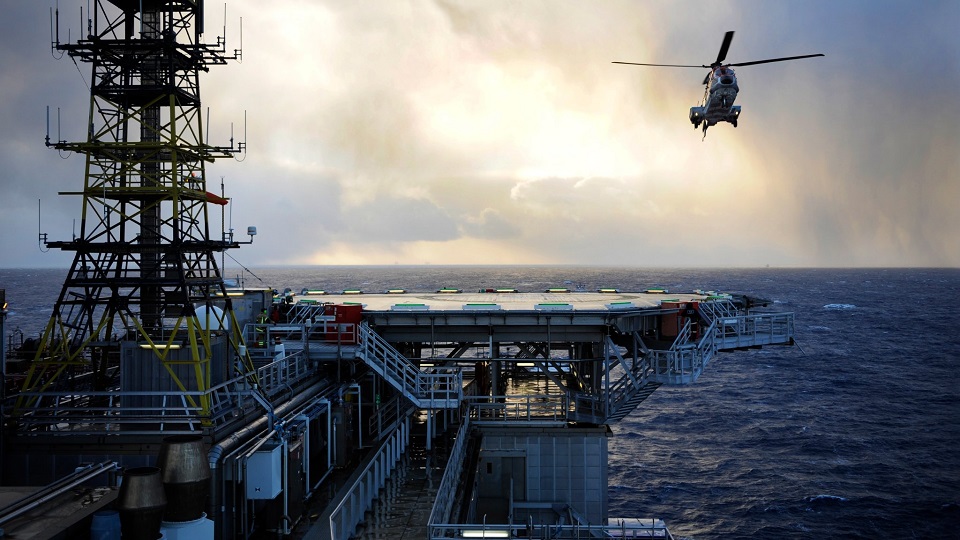
In March 2026, Norway sold 56.6 million barrels of crude oil abroad for 57.4 billion kroner ($6.1 billion) — an absolute record that exceeded the previous maximum of 2022, recorded against the backdrop of Russia's invasion of Ukraine. According to Statistics Norway, export volumes increased by 67.9% compared to March 2025.
The Strait of Hormuz as a price pump
The reason for the record is not a new oil field or a technological breakthrough. On February 28, 2026, the United States and Israel launched a military operation against Iran, and Tehran closed the Strait of Hormuz — a narrow corridor through which approximately one-fifth of all global crude oil and liquefied natural gas passes in peacetime.
The average price of a Norwegian barrel in March was 1,014 kroner ($107.5). For comparison: a year ago, the same barrel cost approximately $64. The market simply transferred Asian deficit into Norwegian profit.
"The closure of the Strait of Hormuz caused significant changes in global energy markets"
Statistics Norway, press release dated April 15, 2026
Who loses — and where Europe will stand
According to the IEA, approximately 15 million barrels of oil passed through the strait daily in 2025. 84% of these supplies went to Asian markets — primarily to China, which received one-third of its oil through this route. Asia is now forced to either overpay for alternative routes or reduce consumption.
Europe is formally less dependent on Hormuz — only about 4% of its oil imports passed through the strait. But approximately 40% of European gas arrives as LNG, and Qatar is a major LNG supplier through the same strait. According to Euronews estimates, even after the strait reopens, gas markets may remain in deficit due to the physical reduction in Qatari supplies.
The Federal Reserve Bank of Dallas warned in a March study: at oil prices around $110 per barrel, the Eurozone could lose up to 0.6% of annual GDP and face +1 percentage point increase in inflation.
The structural paradox of the Scandinavian model
Norway is Europe's largest producer of oil and gas outside Russia. Revenue from hydrocarbons accumulates in the Government Pension Fund — the world's largest sovereign wealth fund. Norwegians have long positioned themselves as leaders in climate transition: the largest share of electric vehicles, ambitious decarbonization goals.
But this very model means that every geopolitical crisis — from Afghanistan in 2021 to Ukraine in 2022 and now Iran — is converted into an additional contribution to the pension fund of 5.5 million Norwegians. The 2022 record sparked internal discussion about "oil ethics"; the 2026 record has so far provoked no noticeable public reaction in Oslo.
Bloomberg Economics researchers warn: if the strait remains closed for longer than a quarter, the fuel crisis currently hitting Asia will inevitably "spread westward," and Europe risks facing a diesel shortage within weeks.
If the Strait of Hormuz reopens by summer, Norway's record will remain a one-time spike in statistics — but if the conflict drags on into the second half of the year, the question of whether the world's richest oil democracy is obliged to somehow compensate countries suffering from the crisis will move from academic seminars to the EU level.







