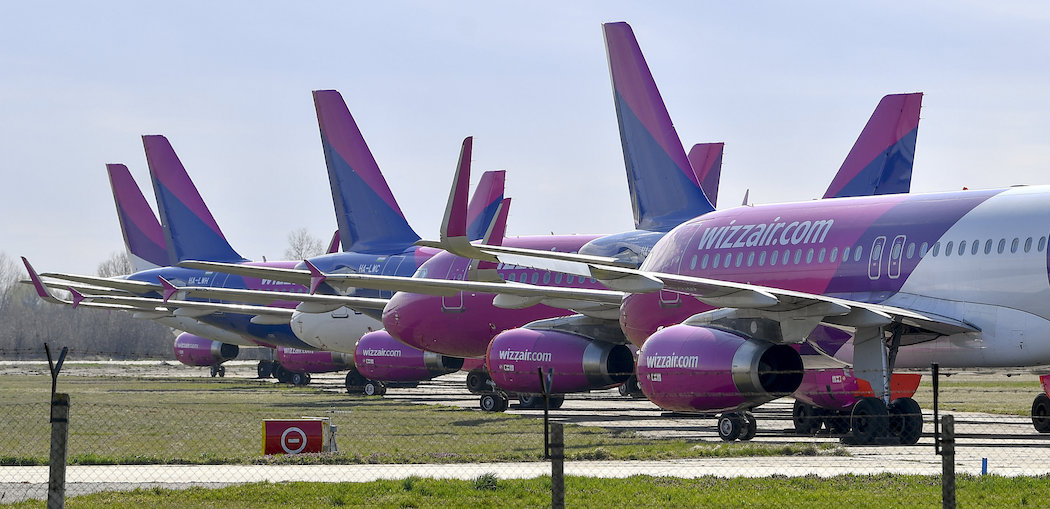
Transatlantic charters from Wizz Air UK — what happened
On Friday, March 6, the British unit of the Hungarian low-cost airline Wizz Air announced that it had received regulatory approval to operate charter flights to the United States. This does not mean regular scheduled services, but it opens the possibility of organizing large group flights — in particular for teams and fans of the 2026 World Cup.
What this status changes
The new status allows Wizz Air UK to offer flexible, on-demand transatlantic solutions: for sports delegations, tour operators, corporate groups and private charters. Requests for aircraft are already open for summer 2026 — the company expects increased demand specifically during the World Cup.
Main bases and points of departure include:
- London Luton (LTN) — Wizz Air’s key hub in the UK;
- London Gatwick (LGW) — the second London airport, from which regular flights also operate;
- as well as flights from Birmingham, Edinburgh, Liverpool and Leeds.
“The company is ready to organise charter flights with flexible conditions and a high level of comfort for large groups, providing efficient transfers and a convenient transatlantic flight.”
— Yevon Moynihan, director of Wizz Air UK
Why this matters for Ukraine and Ukrainians in the UK
For Ukrainian fans and the diaspora in Britain, this means an additional channel for access to World Cup tickets — potentially cheaper and more convenient than individual connections through continental hubs. For sports and community organisations, it offers the possibility to book group transport tailored to the needs of teams and delegations.
From a market perspective, Wizz Air UK’s move signals that low-cost carriers view the transatlantic segment not only as regular services, but as a space for charters and temporary event-driven solutions. This is an important indicator of demand and investor confidence in aviation during peak events.
Risks and expectations
Limitations: the approval applies to charters, so competition for slots and prices on peak dates may be fierce. It is also important that on-site logistics (airports, transfers, visa issues) are synchronized with the tournament schedule.
Market analysts and aviation commentators note that such a step could encourage other low-cost carriers and tour operators to offer similar solutions, which overall expands choices for passengers — including Ukrainians planning trips to the upcoming tournament.
Conclusion
This is not a revolution for transatlantic aviation, but a clear tactical move that provides practical options for a major international event. Now the question is for travel organisers and passengers themselves: will they be able to quickly make use of the new charter opportunities and make trips to the 2026 World Cup easier and more affordable?







