Screening and context
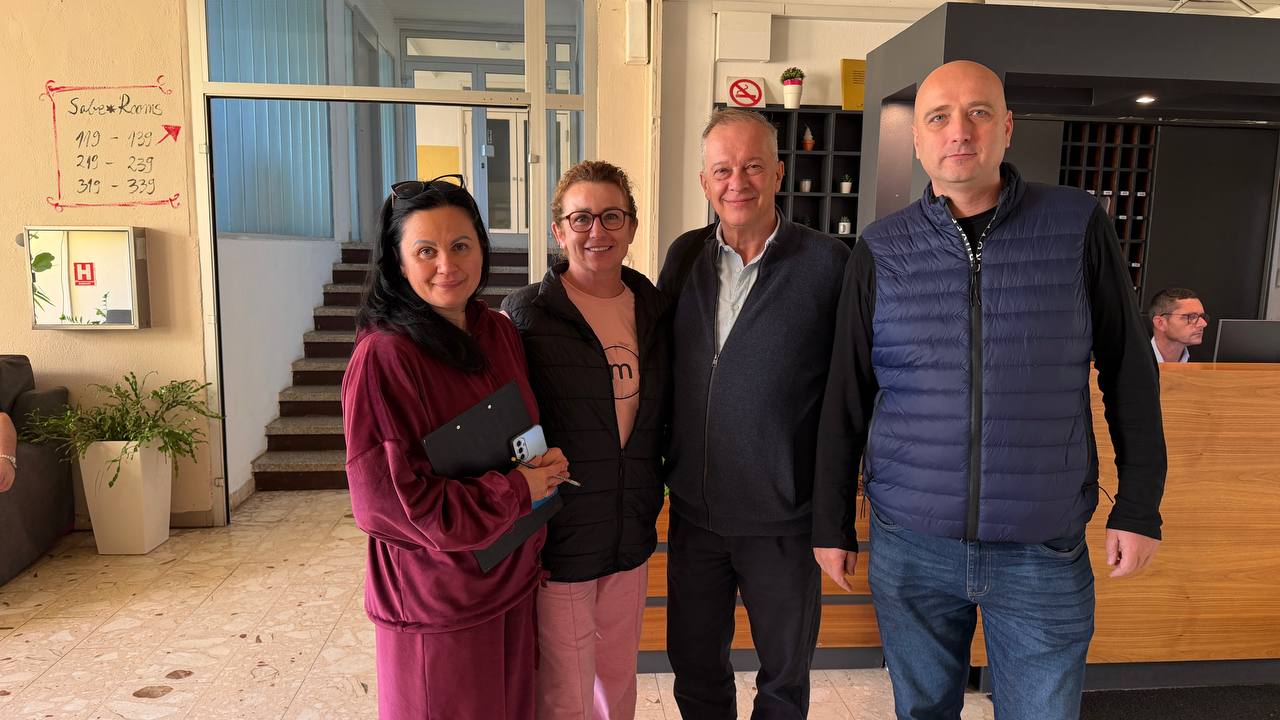
A screening of a documentary dedicated to the defenders of Irpin, who in February–March 2022 held a key line at the "Zhyraf" checkpoint, took place in the hall of the State Tax University. Students, lecturers, university staff, the defenders themselves, families of fallen soldiers and the film's creative team attended the event. The screening was timed to coincide with the birthday of the checkpoint commander Oleksandr Tkachenko (call sign "Sevas"), which gave the event a personal significance.
The flag as a symbol of resistance
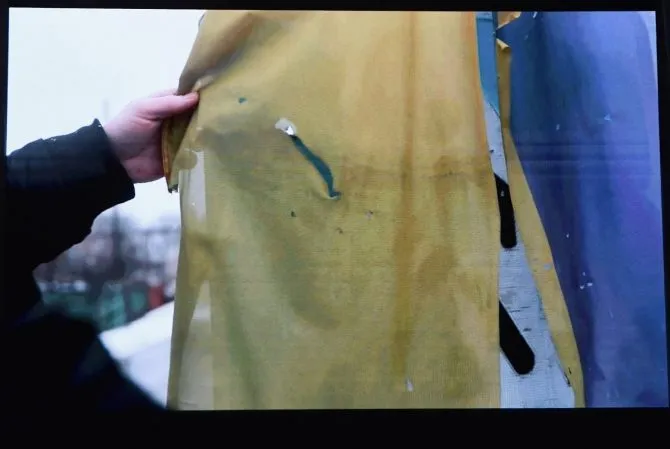
At the center of the film is the story of a battle flag that volunteers reworked and raised on the position. The flag, marked by shrapnel and shelling, became not only a relic but a marker of collective memory: today it is kept in the National Museum of the History of Ukraine in the Second World War, where future generations can see it.
"The documentary was produced by the media outlet 'Pohlyad' in cooperation with the defenders of Irpin and their families. At the center of the film is the story of the battle flag..."
— State Tax University, press service
Voices of participants
The film combines the defenders' recollections, accounts from their relatives and documentary footage from the first days of the full-scale invasion. For many viewers the screening was emotional — the film is about people who gave their lives defending Ukraine.
"This flag has gone through a difficult journey and has become part of our history. We made the film to preserve the truth about those days and the memory of our comrades"
— Defender of the "Zhyraf" checkpoint
"Working on the film was a personal experience for me. The main goal is to preserve the memory of the defenders and to remind society of the price paid by those who still defend the country today"
— Maria Marchuk, co-writer, journalist
What it means
The screening at the university is not just a cultural event. It is a practice of anchoring facts in public memory: students and the public are shown not only heroic footage but also concrete testimony and an artifact that corroborates the story. Such work is important to counteract forgetfulness and the distortion of events.
Now the task is to ensure that similar films become part of educational and museum programs — then the memory of Irpin's defenders will live not only in emotions but also in facts accessible to everyone.