Briefly
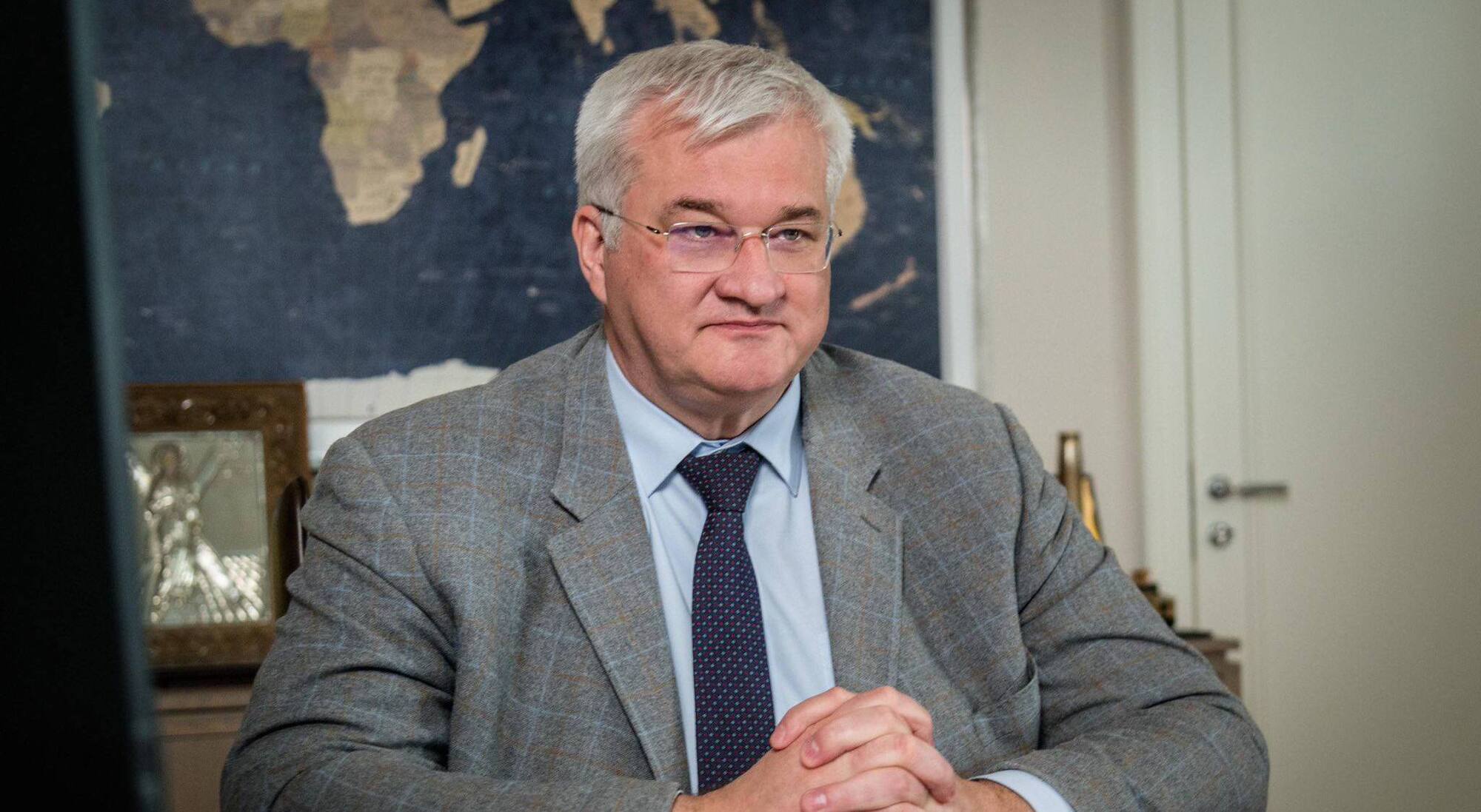
Ukraine secured the return of seven cash couriers who had been detained in Budapest. According to Foreign Minister Andriy Sybiha, the men have already crossed the Ukrainian border and are safe; consular services provided them with the necessary assistance.
"I have already informed the President that we managed to secure the release of seven Ukrainian citizens who were in Budapest. They are safe and have crossed the Ukrainian border. Our consuls provided the necessary assistance."
— Andriy Sybiha, Minister of Foreign Affairs of Ukraine
What happened
According to the Ministry of Foreign Affairs, on the night of March 6 in Budapest two armored cash-in-transit vehicles belonging to Oschadbank carrying seven employees were detained. The Hungarian side, Kyiv says, initially blocked Ukrainian consuls' access to the detainees. Later in Budapest authorities stated that the couriers had been expelled; the Hungarian police opened an investigation into a possible abduction.
Representatives of the European Commission declined to comment on the incident, — reports LIGA.net's correspondent in Brussels.
Political background
The case unfolds against the backdrop of tense domestic politics in Hungary: anti-crisis and anti-Ukrainian rhetoric has become one of the drivers of ruling party Fidesz's popularity. At the same time, Prime Minister Viktor Orbán has threatened to limit the transit of goods important to Ukraine, demanding the start-up of the "Druzhba" oil pipeline — turning the incident with the couriers into part of a broader lever of pressure.
Why this matters
First, it's a test of the state's ability to respond promptly to threats against its citizens abroad: consular access and safety are priorities. Second, the incident demonstrates how one country's domestic politics can affect transit and logistics, which are critical to Ukraine's economic and energy security. Analysts point out that such episodes can become mechanisms of pressure if they are not addressed systematically through diplomacy and international legal channels.
What's next
Kyiv needs to secure a transparent investigation into the circumstances of the detention, ensure the rights of those affected, and set a precedent to prevent similar cases. At the same time, it should keep international partners informed so that political maneuvers by individual capitals do not turn into long-term risks for transit and security.
The question remains open: whether this incident will escalate into a reason to reassess relations and transit agreements will depend on the next steps and the response of European institutions.





