What happened
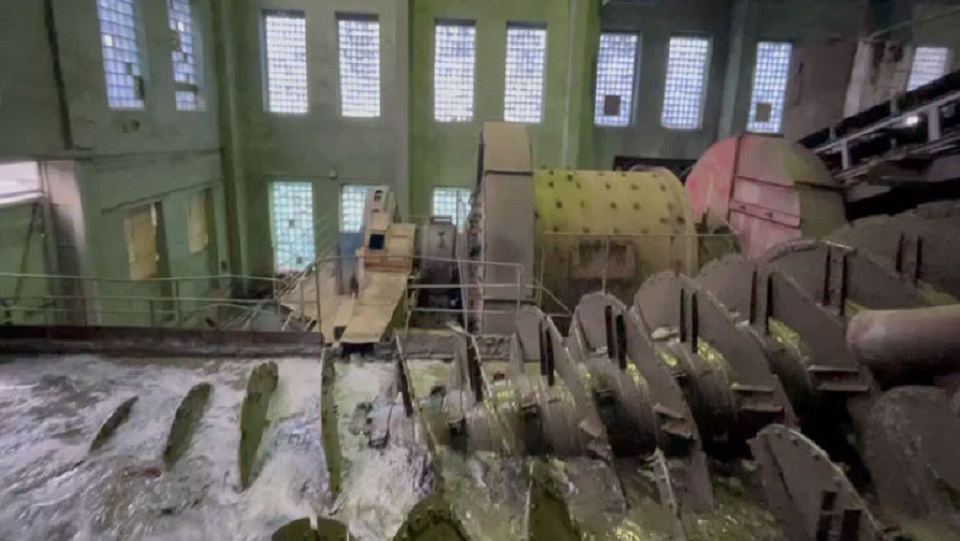
The only producer of natural graphite in Ukraine — "Zavallia Graphite" (the settlement of Zavallia, Kirovohrad Oblast) — resumed operations after a winter shutdown and manufactured 19.14 tonnes of high-purity graphite (HPG) during the period from March 6 to March 10. This was reported by the Australian company Volt Resources Limited, which owns 70% of the enterprise.
Key figures and deal terms
The produced material has a purity of 99.60–99.75%, with a production yield of 87%. The entire volume has already been sold to a single European battery manufacturer at a price of $3,000 per tonne — the approximate value of the batch is about $57,000. The contract provides for a 50% prepayment, and delivery is scheduled for March 2026.
After the restart, the plant used external feedstock for the first time — flake graphite from a deposit in Africa, underscoring the flexibility of the production process.
"This confirms the reliability and flexibility of our purification process and directly supports our strategy of flexible feedstock use for the planned graphite plant in Alabama."
— Prashant Chintawar, CEO of Volt Resources
Why this matters for Ukraine
This development has several dimensions of importance. First, it is a direct export of a critical feedstock for battery technologies — a market that is growing and shaping the future of e-mobility and energy storage. Second, the use of alternative feedstock sources and cooperation with a European buyer is a step toward reducing dependence on Chinese supplies, which is today a strategic priority for Western partners.
Volt also reports plans to fulfill an upcoming order for a U.S. customer of about 20 tonnes, to produce samples for new partners, and to continue negotiations with commercial and defense companies in the United States to find alternatives to graphite supply.
"The suspension of the enterprise in December was a serious blow to the national industry, but the resumption of HPG production is the first step toward returning to stable export shipments."
— National Association of the Extractive Industry
Context and prospects
After the shutdown in mid-December 2025, the restart of production in Zavallia is not an isolated signal. Ukraine's graphite market has attracted investors in recent years: in 2018–2019 the BGV Group Management entered the sector, in 2021 a project from Onur was added in Khmelnytskyi Oblast, and in February 2026 the Czech holding Solartec purchased a special permit for another site. All of this indicates growing interest in Ukrainian deposits.
But turning single batches into systematic exports requires stable permits, investments in processing and logistics, and guarantees of secure deliveries during wartime. If these components appear, Ukrainian plants could become an important alternative in global supply chains for the EU and the United States.
Conclusion
The production and sale of 19.14 tonnes of HPG is more than a business deal. It is a test for production chains during war and a kind of rehearsal for scaling up exports of critical feedstock. The question is whether one-off successes can be transformed into a stable industrial recovery. Whether there will be sufficient political will and investment will depend on partners and national strategy.







