Funeral in his hometown
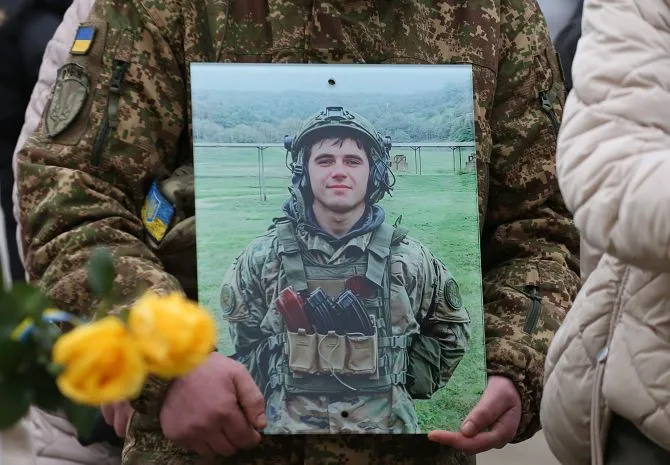
Today in Irpin the community laid to rest a 20-year-old Defender of Ukraine, Junior Sergeant Viktor Anatoliyovych Tolstyi. The event is significant for the community not only as a moment of mourning — it is a moment when the face of war becomes much closer and more personal.
Who he was
Viktor was born on April 16, 2003, in the village of Hrushyne, Lozivskyi Raion, Kharkiv Oblast. From an early age he stood out for his energy and determination, was passionate about sports and played football: he was among the youngest players of the local team “Fortuna.” This pre-war part of his biography shows that behind every number on the lists there is a life, plans, and ties to the local community.
"Viktor was always energetic, sociable, reliable — that is how his comrades remember him."
— Memorialization Sector, Department of Culture of the Irpin City Council
Path to the front
In 2021 Viktor joined the ranks of the National Guard of Ukraine. From the first days of the full-scale invasion he served on the front line as a junior sergeant, a squad commander. He carried out combat missions on the Zaporizhzhia direction. On June 7, 2023, during the battle for the settlement of Olhivske in Polohivskyi Raion, Viktor was killed.
Honors and consequences
For personal courage and selfless service, Junior Sergeant Tolstyi was posthumously awarded the Order 'For Courage,' 3rd class. Viktor is survived by his mother — a reminder of the straightforward price every family pays.
What this means for the community
Viktor’s story is representative: young people go to serve to protect their homes, and many do not return to those who waited for them. This is not only about heroism, but also about systems to support families, rehabilitation of the wounded, and community recovery. The question that remains: will the memory of the fallen be turned into concrete steps to help those left behind?
Summary
The farewell to Viktor Tolstyi is another point in the long chronicle of losses that shapes the present of Ukrainian communities. Memory is important, but not sufficient: it must be backed by resources and policies that support defenders' families and reduce the long-term social consequences of the war.