What happened
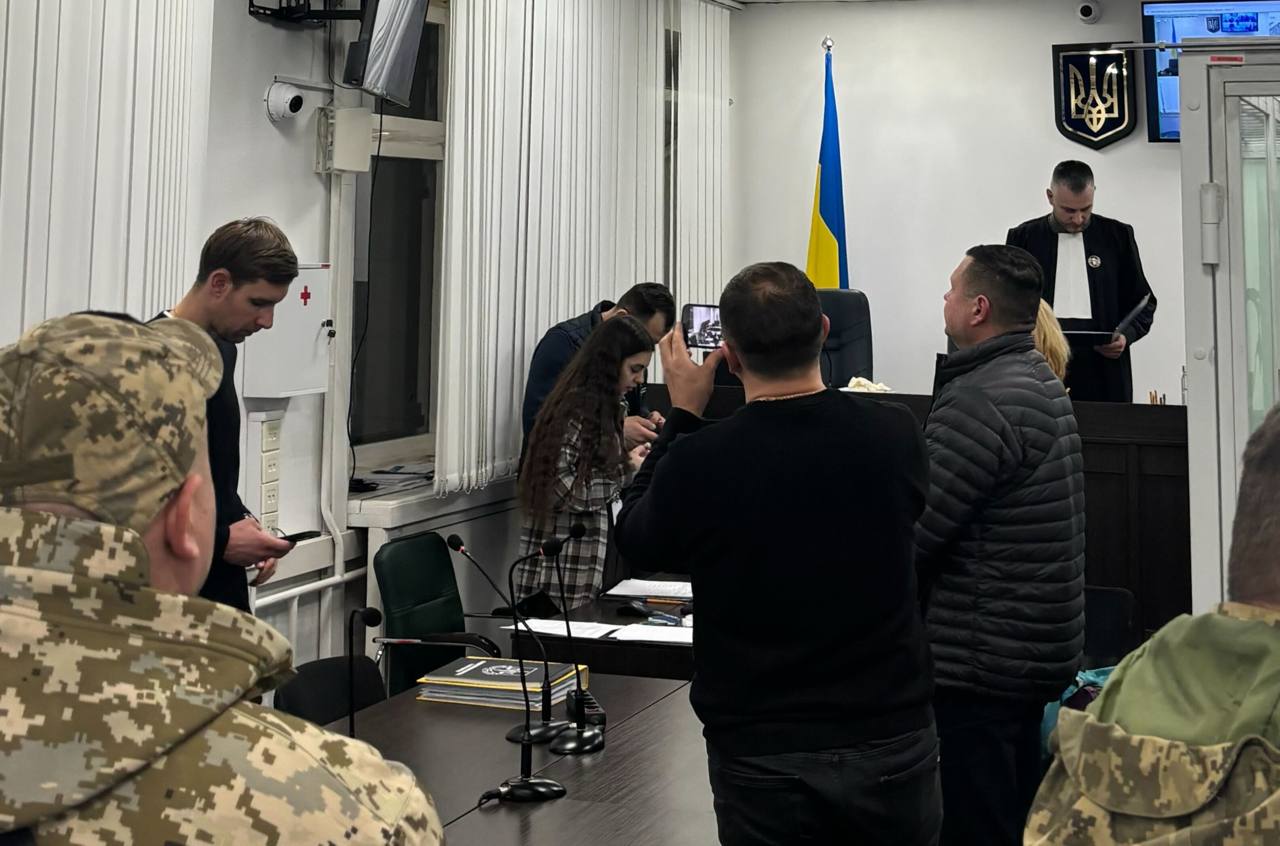
The High Anti-Corruption Court has imposed a preventive measure on Ihor Brik, deputy head of the Security Service of Ukraine in the Rivne region — detention with the alternative of bail of UAH 998,000. This was reported by the Anti-Corruption Action Center, and the information is confirmed by official sources at the Office of the Prosecutor General.
Details of the decision
If bail is posted for Brik, the court imposed obligations: wearing an electronic bracelet, surrendering his foreign passport, a ban on leaving Kyiv, and a ban on communicating with witnesses and suspects in the case.
At the same time, other suspects in the case received different preventive measures: the intermediary Andriy Avdiievskyi was also taken into custody (with the same bail alternative of UAH 998,000), while the deputy head of the SBU directorate in Kyiv, Oleh Tokarchuk, was ordered to pay bail without being held in custody.
What this is about
According to law enforcement, the case concerns a scheme to extort a bribe of about $600,000 to close a criminal proceeding related to the amber business in the Rivne region. Part of the money was found during a handover to an intermediary.
"The scheme was uncovered during the handover of more than $250,000 to intermediary Andriy Avdiievskyi."
— Anti-Corruption Action Center
Why this matters
This is not just a criminal story about officials. When members of the security services become suspects, the issue takes on the characteristics of a systemic threat: from public trust to the effectiveness of agencies responsible for security. For readers, this means three practical risks — erosion of trust in institutions, diversion of resources meant for defense, and a signal to others that corruption risks remain real.
Analysts and media (including LIGA.net) have already noted a number of high-profile anti-corruption investigations over the past year — from official crimes in the energy sector to complex schemes in state-owned companies. Therefore this case has both symbolic and practical dimensions: law enforcement agencies are testing their ability to investigate and hold their own institutions accountable.
What’s next
Procedural and judicial follow-up must turn suspicions into proven facts. For society, it is important to monitor not the headlines but whether evidence will be published, whether court hearings will be held transparently, and whether key case materials will not disappear into bureaucratic offices.
For the state, this is an opportunity: strengthened investigations and public convictions increase partners’ trust and reinforce the resources the country uses for defense. The question for law enforcement is whether they can bring cases to a logical conclusion, rather than stopping at demonstration arrests.
Sources
Information — according to reports from the Anti-Corruption Action Center, the Office of the Prosecutor General, and materials from LIGA.net.





