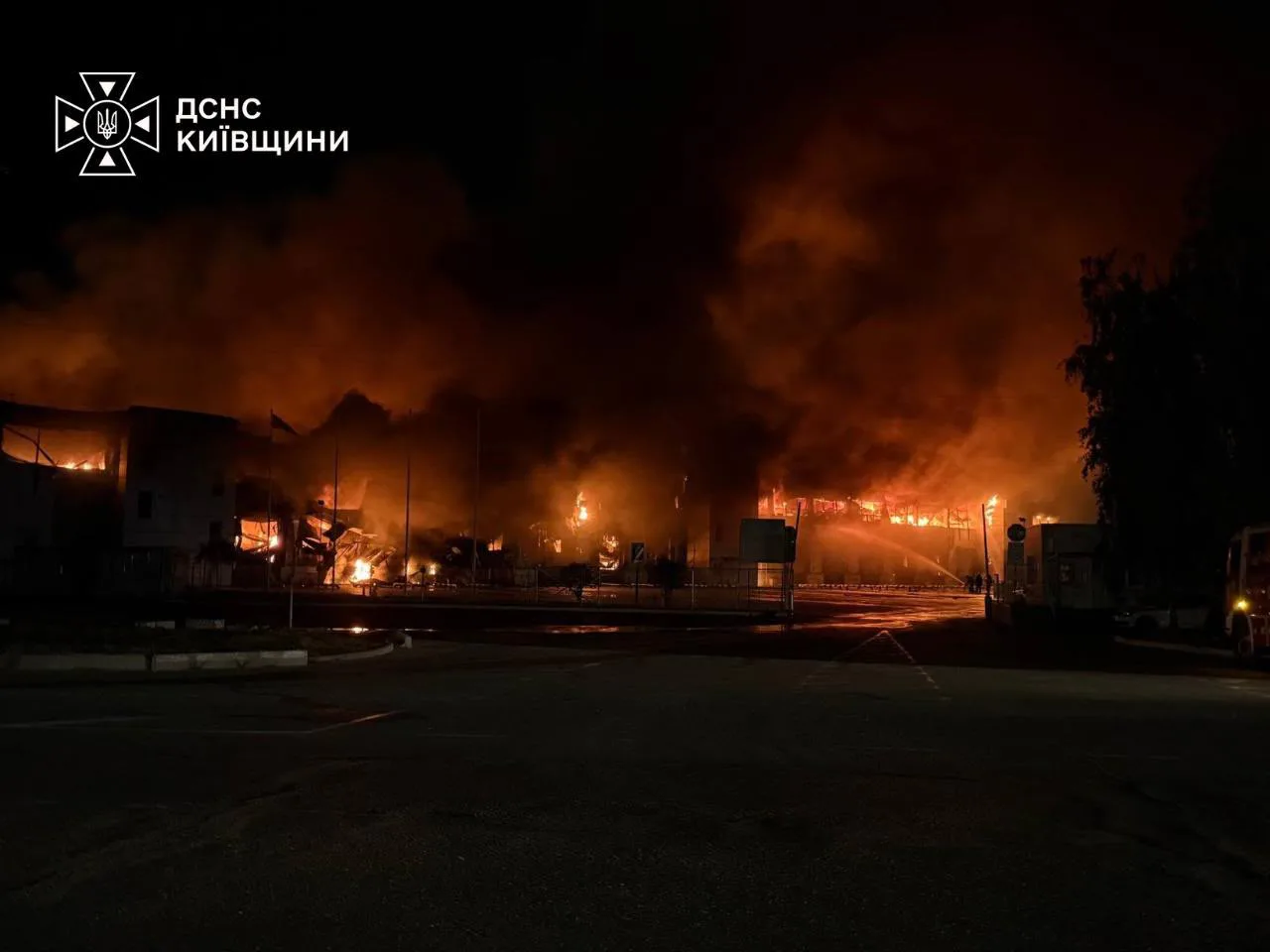
There is currency legislation that obliges exporters to receive payment for goods within a set timeframe—otherwise they face penalties from the tax authority and problems with banks. Before the war, this deadline was a routine formality. Now, when a ship carrying grain weaves for weeks past minefields and missile strikes instead of taking the direct route through the Bosphorus, this formality has become a real business risk.
What changes for farmers, not for statistics
Prime Minister Sergiy Koretskyi explains the logic of the decision simply: attacks on civilian vessels and ports forced exporters to seek alternative routes, which means additional weeks in transit. If a contract is signed on the condition of payment after delivery, and delivery is prolonged, the exporter risks breaching currency deadlines through no fault of their own.
We are changing the rules for maximum settlement periods under export contracts for certain agricultural commodities—wheat, corn, soybeans, sunflower seeds, sunflower oil, and sunflower meal. The Ministry of Economy will be able to extend the established deadlines at the exporter's request—for a maximum of 180 days
The key word here is "at the request." The deadline is not automatically extended for everyone. Exporters must approach the Ministry of Economy and prove that the delay occurred due to logistics circumstances, not because the buyer simply isn't paying. This is a filter against abuse, but also an additional bureaucratic procedure during an already strained season.
Practical effect: less pressure to sell immediately
Without such an extension, an agricultural producer has two bad options: either breach currency legislation and pay penalties, or rush to close a contract on any terms just to meet the old 90-day deadline. The second option usually means a lower price for the buyer, who knows about the seller's deadline and negotiates more aggressively.
180 days removes this pressure. A farmer or trader can wait for a better logistics situation or a more favorable price without risking sanctions from their own government for missing the deadline.
Why this is about the Ministry of Economy, not the port
Route optimization and corridor protection are separate matters handled by the military and diplomats. This government decision is on a different level: it doesn't speed up grain delivery, but rather removes the paperwork risk for those for whom delivery is already harder. In other words, the state acknowledges that it won't quickly solve the logistics problem and instead adjusts bureaucracy to the new reality.
The question that remains open is whether the procedure of "requesting an extension" will become a new bottleneck if the Ministry of Economy simultaneously accumulates hundreds of applications from exporters who have all suffered from the same attacks in the Black Sea.