When another swarm of Shaheds is shot down over Kyiv or Odesa at night, few remember that some of the components in these Iranian-origin drones are Iranian-made. The sanctions mechanism that the EU Council has just extended for another year is aimed precisely at breaking this chain — from an Iranian factory to the Ukrainian sky.
What exactly has been extended
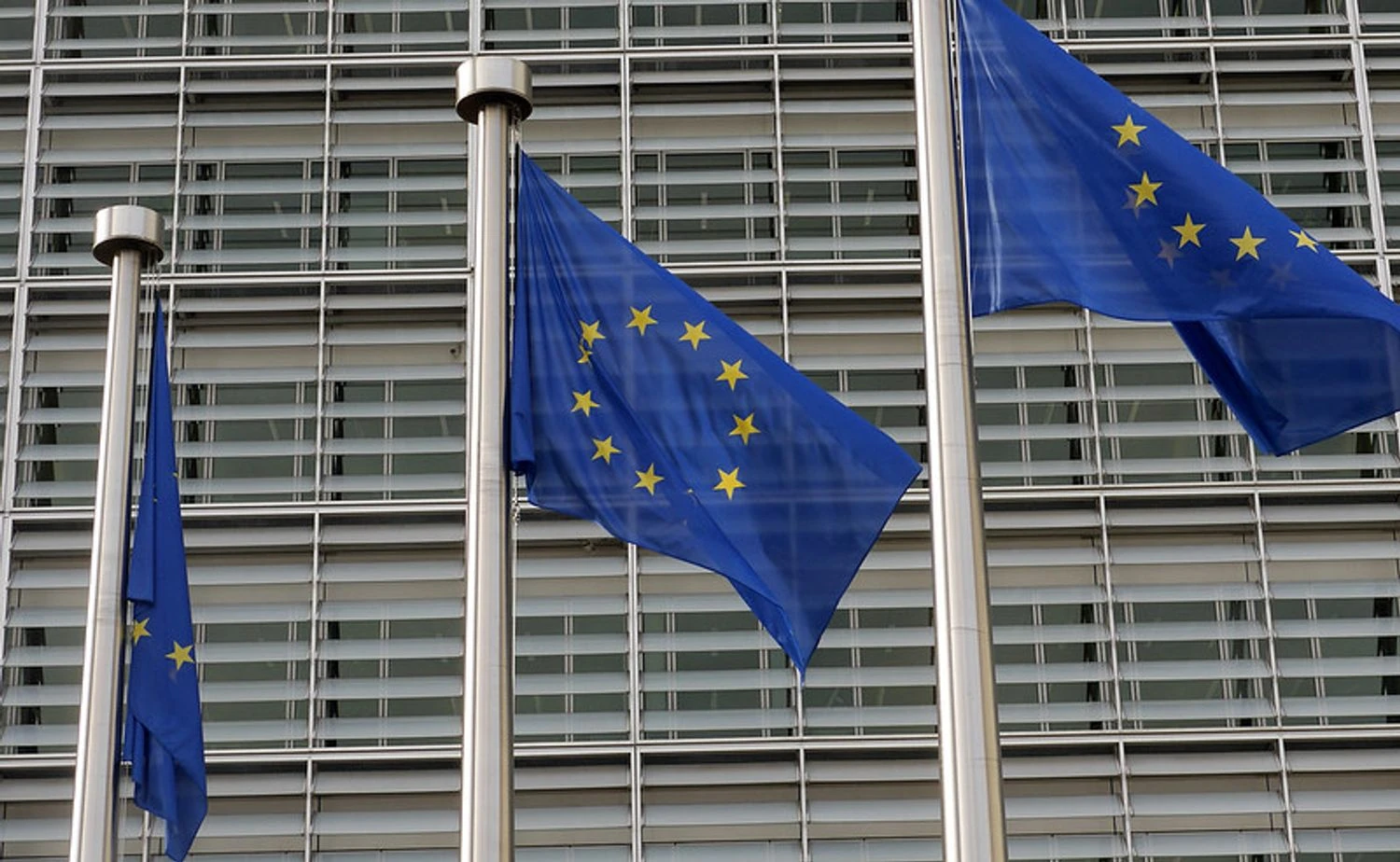
The European Union Council extended sanctions against Iran over its support for Russian aggression against Ukraine, according to UNN citing the European External Action Service. This concerns a ban on exports from the EU to Iran of components and technologies used for the development and production of drones and missiles — Iran provides these technologies to Russia, contributing to attacks on Ukrainian civilian infrastructure and civilian population.
Formally, this is an extension of the regime introduced in 2023 due to Tehran's support not only for the war against Ukraine, but also for armed groups in the Middle East and the Red Sea region.
Nine new states on the sanctions list
The news is not just in the extension — for the first time, Ukraine formally joined the regime together with eight other European countries: Albania, Bosnia and Herzegovina, Iceland, Liechtenstein, Moldova, Montenegro, North Macedonia, and Norway. This means that each of them must bring its own legislation in line with the EU sanctions decision — not just support it politically, but legally prohibit its companies and citizens from conducting the same operations with Iran that are prohibited in the European Union.
EU High Representative for Foreign Affairs and Security Policy Kaja Kallas responded briefly:
The European Union takes note of this commitment and welcomes it
For Ukraine, this is a routine but not empty formality: each such synchronized decision is another brick in harmonizing with EU foreign policy, which is being checked on the path to membership.
Iran does not play the defender
In parallel, Tehran is demonstrating that it does not intend to change course under pressure. Iran called on US President Donald Trump to "accept the reality of defeat" and stated that it will decide for itself when to open the Strait of Hormuz for navigation — a waterway through which a critical share of world oil exports passes. This is a reminder: the Iranian issue is not only about drones for Russia, but also about leverage on global energy markets that Tehran is ready to use.
Why this matters right now
- The sanctions ban on drone and missile components is directly related to how many Shaheds and what quality reach Ukrainian cities.
- The accession of nine countries expands the perimeter within which Iranian suppliers cannot legally circumvent restrictions through third jurisdictions.
- For Iran, the stakes are not just reputational: each new round of sanctions complicates access to Western technologies simultaneously on two fronts — Ukrainian and Middle Eastern.
The question for the coming months is simple: will this expanded perimeter withstand the test of practice — that is, will the flow of Iranian components in Russian drones that cover Ukrainian cities every night actually decrease, or will sanctions again prove faster on paper than in supplier logistics schemes.