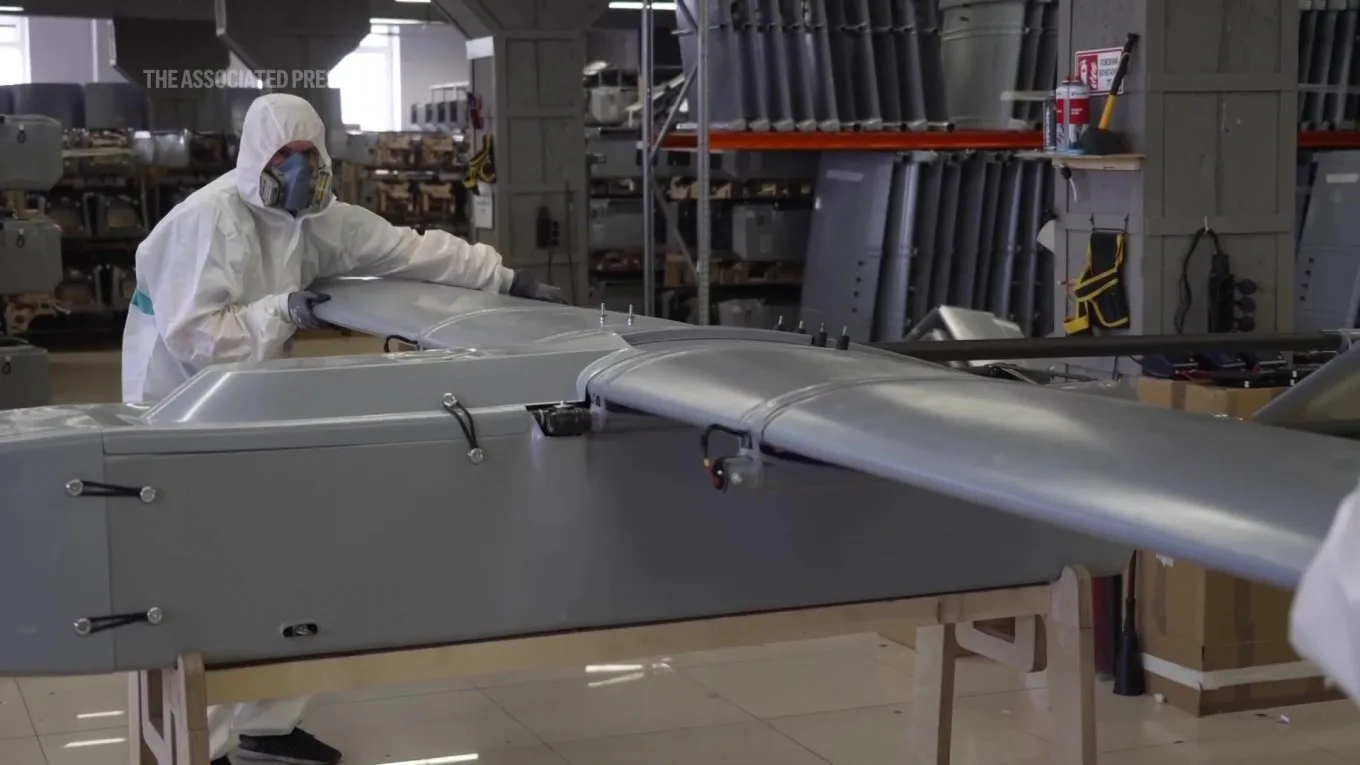
Ukraine produces more weapons than it can consume in certain directions. A paradox of wartime: part of the defense-industrial complex capacity is underutilized, while the front requires one type of armament and warehouses accumulate another. The answer now being discussed in the Ministry of Economy and relevant Rada committees is legalized and structured weapons exports to partners.
What's behind the idea
The logic is simple: if an enterprise produces, conditionally, 500 units per month, but the army takes 300, the rest is either mothballed or equipment sits idle. Exports allow the production line to operate at full capacity, distribute fixed costs across a larger volume, and reduce unit costs even for domestic supplies.
An additional argument is foreign currency revenue. Currently, Ukraine receives weapons predominantly in the form of grants or loans. Sales of its own developments — drones, ammunition, electronic warfare systems — would generate actual dollars or euros, which in conditions of a budget deficit carries concrete weight.
What products are realistically sellable
Ukrainian manufacturers already have combat-proven track records for several categories: FPV drones and mid-class strike UAVs, anti-tank systems, certain types of ammunition, and electronic warfare means. These are precisely the positions with competitive advantage — they passed not a test range, but a real theater of military operations, which for a buyer is worth more than any certificate.
The problem lies elsewhere: a significant part of production still depends on partner components. Before selling a product to a third country, Kyiv is obligated to obtain permission from the state whose components were used. This is not a technical detail — this is diplomatic work on the scale of months.
The real conflict
Between the idea and income stand three concrete problems. First — registry and end-user control: Ukraine still lacks a full mechanism for tracking where sold weapons end up after the first transaction. For Western-oriented markets, this is a blocking factor. Second — reputational risk: selling weapons to unstable regions for currency will undermine key partners' trust faster than any information attack. Third — competition: the market already has Polish, Czech, and Israeli manufacturers who long ago built export infrastructure.
According to Ukroboronprom representatives, the priority is countries that already receive Ukrainian weapons as aid and want to commercially scale up purchases. This is a shorter path: trust already exists, negotiations are about price, not the product.
What scale means
If Ukraine reaches a stable export flow even of $500–800 million per year — this is not just budget revenue. It is a signal to investors that the defense-industrial complex is commercially viable after the war. This very signal could attract private capital, which is currently watching but not entering.
Jobs are a separate dimension. The defense industry is already one of the few sectors where employment is growing during wartime. Stable orders — domestic plus export — allow enterprises to retain qualified engineers without letting them go abroad.
Open question
An export strategy makes sense — but only if Ukraine builds an end-user control mechanism before signing the first contracts, not after the first scandal. Is the state ready to invest in this infrastructure as much as in the idea of selling itself?