Brief — the gist and the consequence
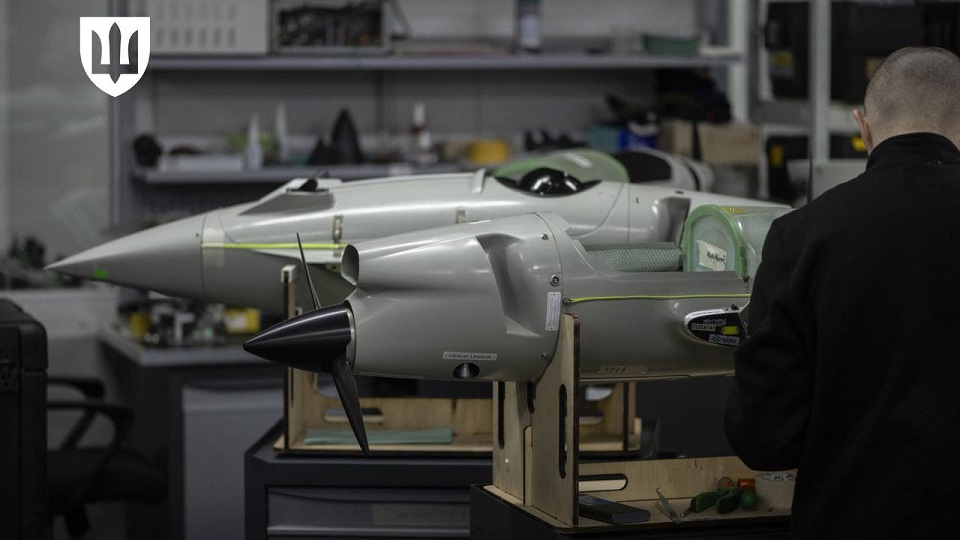
In 2025 Ukraine’s defense‑industrial complex received $6.1 billion in foreign financing — ten times more than in 2024 (around $600 million), the Ministry of Defense reported. These are not just numbers: such investments allow for transforming production capabilities and accelerating the integration of our enterprises into European supply chains.
Where this money came from
Financing arrived through several channels. First, part came via the so‑called "Danish model": about $1.8 billion was allocated to production in Ukraine under a program launched in 2024.
Second, direct purchases by partner states provided more than $4.3 billion for the needs of the Ukrainian Armed Forces; of that sum nearly $900 million went to the "Drone Line" project. Third, a significant share came from profits on frozen Russian assets — over $1.1 billion.
Major donors and purchasers included the United Kingdom, Denmark, Lithuania, Canada, Iceland, Ireland, the Netherlands, Germany, Norway, the United States and Sweden. At the same time Ukraine submitted projects under the SAFE mechanism with expected financing of about $5 billion.
"We are grateful to all our partners for supporting Ukraine’s defense capability and the development of our defense‑industrial complex — because this is a contribution to strengthening the security of all of Europe"
— Denys Shmyhal, Prime Minister of Ukraine
What this means in practice
According to the Ministry of Defense, the DIC’s production capacity reached $35 billion in 2025. However, existing capacities need real orders and stable funding to operate at full strength: investments speed up the establishment of serial production, the localization of components, and access to export markets.
A critically important factor is turning declarative support into long‑term contracts. In this regard, the decision to start an EU rearmament program in 2026 and the consortium loan (21.5 billion UAH under state guarantees) are instruments that can lock in the effect of today’s investments.
Risks and conditions for success
Large inflows create opportunities but also management challenges: capital must be allocated effectively, transparent tenders and quality control must be ensured so that production does not become a "money bubble." Analysts note that high‑quality public and corporate governance will be what turns a temporary wave of financing into a sustainable industrial breakthrough.
Conclusion
A dozen states, mechanisms like the "Danish model," and funds from frozen assets have given a real boost to Ukraine’s defense sector. The next step is for this money to be converted into serial production, export contracts and modernized frontline units. The question is not whether the resources exist — they do. The question is whether we will have enough system‑level approaches and transparency to use them as effectively as possible.