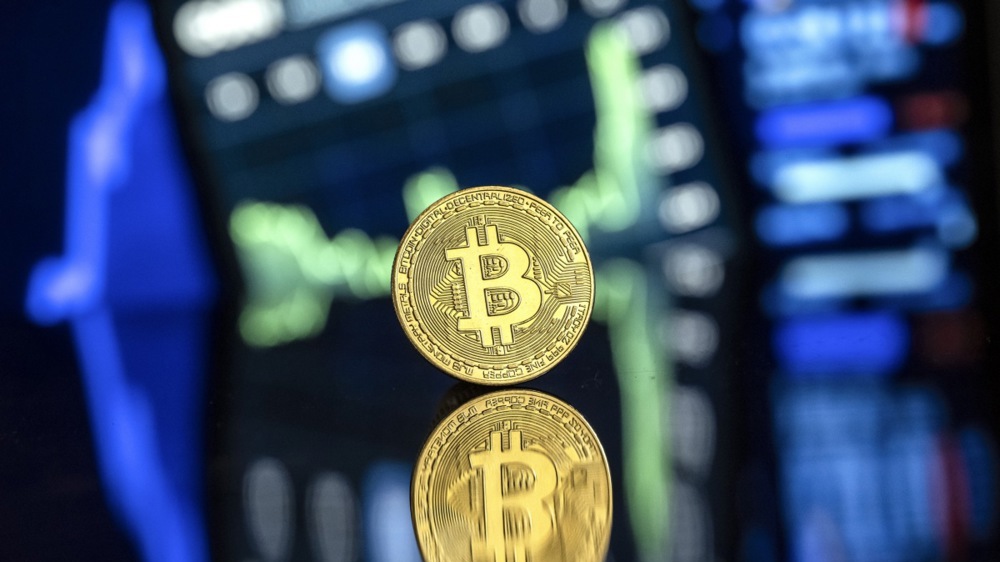
On June 15, bitcoin rose to $65,600 during the Asian session — the highest level in nearly two weeks. The surge did not occur because crypto became a "safe haven", but rather the opposite: the reason to avoid risk disappeared.
What actually happened
On June 14, President Trump confirmed a previous agreement with Iran on social media. The United States and Iran agreed to reopen the Strait of Hormuz, lift the American naval blockade of Iranian ports, and extend the ceasefire regime for 60 days. The strait accounts for 20 to 25% of global maritime oil trade.
Oil fell 3%, reducing inflationary pressure and lowering input costs in transport and manufacturing — in other words, improving the macro backdrop for risk assets. Bitcoin, along with ether (+3.7%, to $1,731), responded precisely to this shift in logic: less inflation → lower probability of "higher for longer" from the Fed → greater appetite for crypto.
"The cryptocurrency market is experiencing a sharp rebound on improving macro risk following news of the US-Iran deal and the expected opening of the Strait of Hormuz. Lower oil prices have eased inflation concerns and supported risk assets."
Riyaa Segal, analyst at Delta Exchange
Why this is not "digital gold"
Throughout the entire conflict, bitcoin has behaved not like gold, but like a technology stock with elevated volatility. The correlation between BTC and the Nasdaq index rose to 0.75: when tech stocks fall, bitcoin typically falls with them. The correlation between gold and bitcoin became negative during recent escalations, with yield spreads reaching over 15% in short periods.
Central banks bought 863 tons of gold in 2025 — and zero bitcoins. This illustrates the difference: gold is insurance against a crisis today, BTC is a bet on monetary degradation tomorrow.
What remained outside the agreement
The agreement is formalized as a memorandum of understanding, not a comprehensive peace treaty. Iran's nuclear program remains unresolved, Iranian leadership unchanged, and no long-term security framework for the region has been established. Formal signing is scheduled for June 19 in Switzerland, while technical issues — demining and enriched uranium — are relegated to separate negotiations.
- A 60-day window: the ceasefire lasts exactly this long — after which the situation could revert to zero
- The nuclear issue: the main cause of conflict is unresolved, merely postponed
- Technical resistance: analysts point to the $65,800 level as the nearest barrier for BTC to continue its growth
If during this 60-day window nuclear negotiations reach a dead end and one side calls the memorandum into question — will bitcoin hold $65,000, or will it slide again along with tech stocks?







