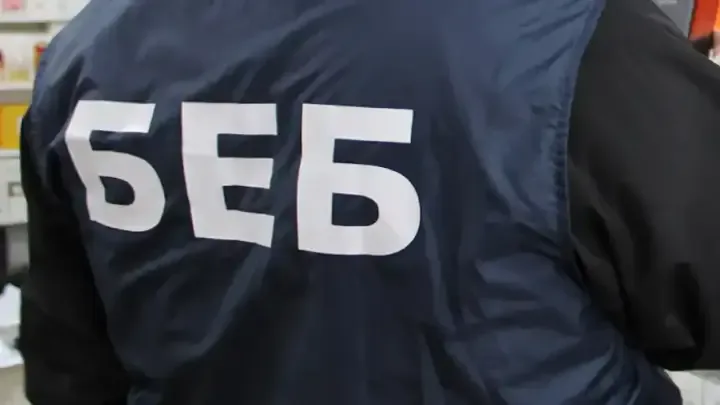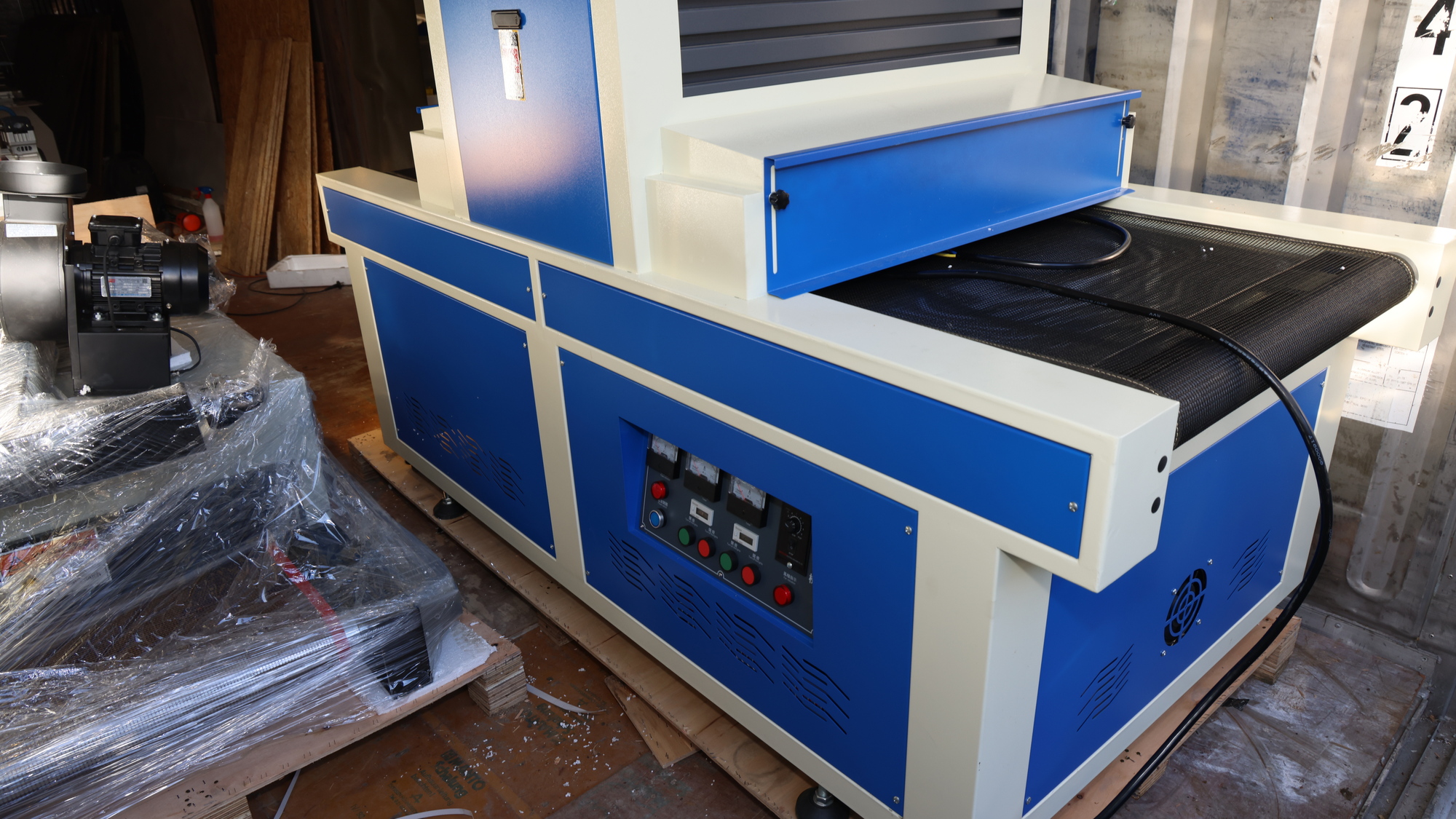
On April 21, 2026, employees of Poland's Internal Security Agency (ABW) entered specially equipped premises in the Masovian Voivodeship. What they discovered looked not like a makeshift forgery operation—but like an industrial project: a full-scale production line, three tons of specialized paper, holographic foil, safetyline security strips, magnetic elements, and watermarks.
According to investigators' estimates, these materials would have been sufficient to produce counterfeit euro banknotes with a total nominal value of up to 360 million euros. This is more than the annual state budget of some small EU countries.
Who and How
Four Polish citizens aged 44 to 71 were detained. According to a statement by Jacek Dobrzyński, spokesman for Poland's coordinator minister of special services, they have been charged with participation in an organized criminal group and banknote counterfeiting. Two were remanded in custody for three months, while the other two were subjected to bail conditions and a ban on leaving the country.
The investigation established that the suspects did not act blindly. According to ABW data, group members underwent specialized training from "professional" structures, where they gained detailed knowledge of security features on genuine euro banknotes and tested counterfeits on banking devices used to verify cash. During searches, firearms and ammunition were also seized.
"Investigators established that part of the counterfeit banknotes were planned to be introduced into circulation in Ukraine."
— Official ABW statement
Why Ukraine Is a Logical Target
The choice of Ukraine as a sales market is no accident. Following the full-scale invasion, demand for cash euros in the country surged: people store currency outside the banking system as an insurance reserve. This behavior was noted by the European Central Bank: in conditions of war and institutional instability, citizens are massively switching to cash storage of foreign currency.
For counterfeiters, this is an ideal environment: high concentration of cash circulation, limited capacity for rapid verification, and—unlike the eurozone—the absence of a dense infrastructure of automated banknote verification in every shop or ATM.
According to ECB data, 554,000 counterfeit euro banknotes were removed from circulation in 2024—a relatively low figure for the eurozone. However, this statistic does not cover countries where euros are used unofficially as a means of storage and settlement.
Scale in Numbers
- 360 million euros — potential volume of counterfeits based on available materials
- 3 tons of specialized banknote paper seized
- 4 persons detained, all Polish citizens
- 2 of them remanded in custody, 2 subjected to bail
- Among seized items — also firearms and ammunition
The case is being handled by the Małopolska Department of the Organized Crime and Corruption Division of the Polish Prosecutor's Office. The suspects face up to 25 years imprisonment.
If the investigation confirms that the "professional structures" that trained the counterfeiters are connected to organized criminal networks outside Poland, the question will arise about the scale and geography of an operation that clearly extended beyond a single warehouse in Masovia.