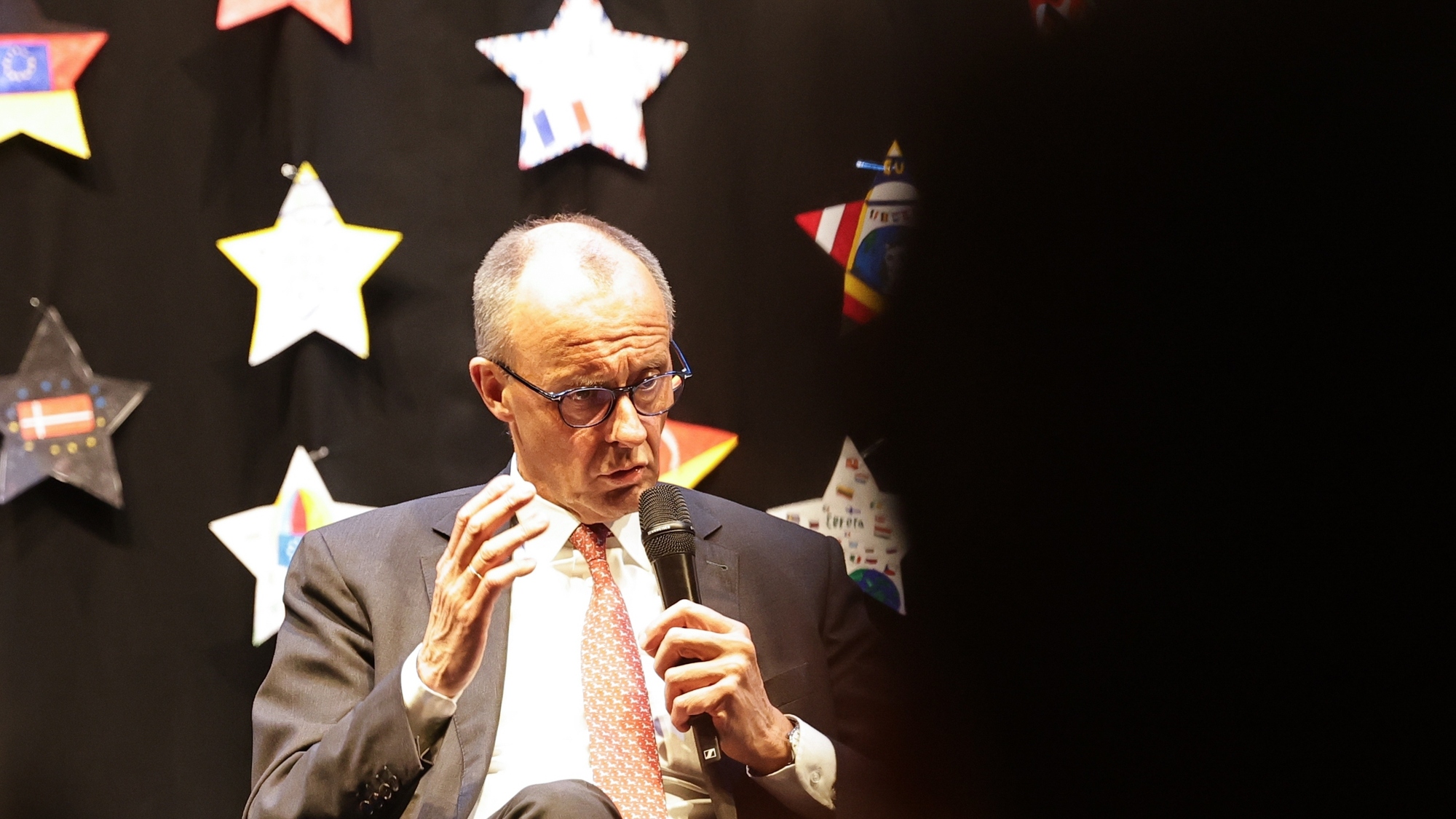
Friedrich Merz made a statement that has already spread across European newsrooms: "Perhaps part of Ukraine's territory will no longer belong to Ukraine" — and tied this to the prospect of the country's accession to the European Union.
In short: Germany's Chancellor has effectively voiced a formula that previous leaders have tried not to say out loud — EU integration in exchange for territorial concessions.
What exactly Merz said
The statement came in the context of discussing Ukraine's future after a possible ceasefire. Merz did not specify which territories he was referring to or whether Ukraine would receive security guarantees as compensation. He also did not clarify whether this position is coordinated with other EU leaders or whether it is his personal assessment of a realistic scenario.
This very vagueness is the problem: a public statement by the Chancellor of Europe's largest economy is not a private opinion. It shapes expectations, markets, and most importantly, negotiating positions.
Why this is not simply "realism"
Supporters of such framing say: Merz is merely describing reality. But there is a difference between acknowledging that occupied territories are de facto not under Kyiv's control and publicly linking EU membership to a de jure renunciation of them.
The first is a diplomatic statement of fact. The second is a lever of pressure. And that is exactly how it will be read in Moscow, Budapest, and at any future negotiations.
Warsaw has already reacted with restraint: Polish officials emphasize that EU integration cannot be conditional on capitulation. Kyiv remains officially silent — which in itself is telling.
A precedent that did not exist
Until now, no leader of a G7 country has formulated it so directly: yes to the EU, but first surrender the land. Even those who privately spoke of a "frozen conflict" publicly kept these two issues separate.
Merz has broken this unspoken rule. And now the question is not whether he is right in his assessment of reality — the question is whether this statement will become a self-fulfilling prophecy that narrows the negotiating space precisely when Ukraine needs maximum flexibility from its allies.
If EU membership officially becomes tied to territorial concessions — will it remain an incentive for Ukraine, or will it become another instrument of pressure?





