Why this is worth reading
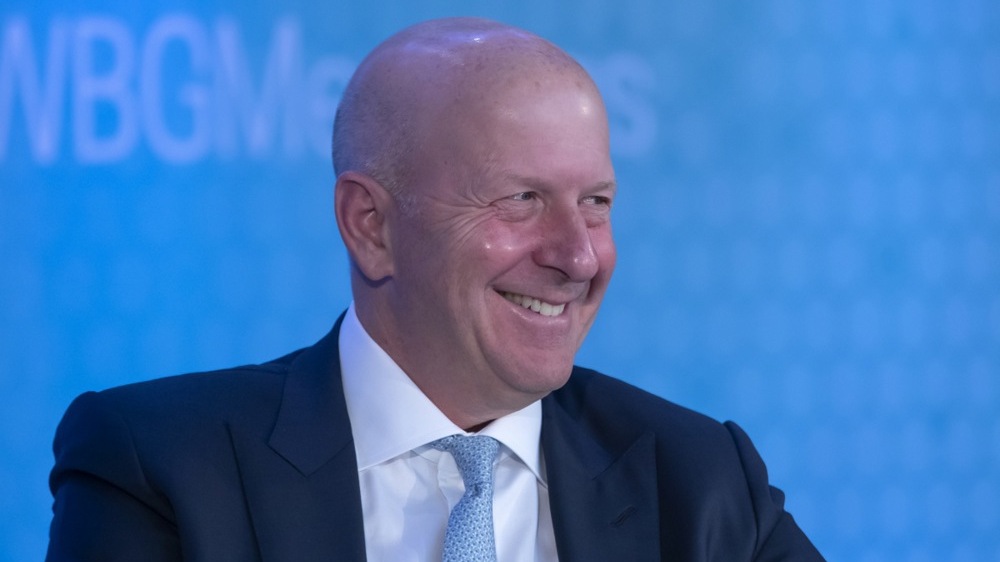
Bloomberg reported that Goldman Sachs CEO David Solomon, known for his skepticism about cryptocurrencies, admitted at the World Freedom Forum in Mar‑a‑Lago to holding bitcoin — “a very, very limited” amount. This is not a dramatic breakthrough, but a signal: even leaders of major banks raise questions about risks and opportunities in private. For Ukraine, such signals are important — they affect liquidity, institutional trust, and the possibilities for using cryptoassets in volunteer efforts and payment solutions.
What Solomon actually said
According to Bloomberg, Solomon emphasized that his position in crypto is “very, very limited” and that he does not consider himself an “outstanding forecaster regarding bitcoin.” He has previously called the cryptocurrency an interesting but volatile asset.
“I have always said that I consider it a speculative investment. I don't see a real use case.”
— David Solomon, CEO Goldman Sachs (interview with CNBC, 2024)
Market context
The words of the head of a major investment bank carry weight against the backdrop of recent swings: on February 5 bitcoin fell below $70,000 — to its lowest level since November 2024. According to CoinGecko, the crypto market has lost about $2 trillion in market capitalization since early October. At the same time, operational risks have emerged: South Korean exchange Bithumb reported an accidental distribution of bitcoins totaling about $44 billion. These facts underline two realities — interest and high operational risk simultaneously.
What this means for Ukraine
Institutional signals from leading banks shape the expectations of investors and regulators. For Ukraine this has practical significance: from the trust of international donors and payment providers to the choice of instruments for collecting aid and transfers. If even a banker from Goldman Sachs holds a small position, this can strengthen the arguments of stakeholders favorable to crypto instruments — but it does not remove the main risk: volatility and operational errors remain defining factors.
Conclusion
Solomon’s admission is an important indicator, but not a revolution. It rather sums up the current institutional approach: interest accompanied by a large degree of caution. Ukraine and its partners should monitor whether this interest will evolve into systemic solutions — regulatory frameworks, security infrastructure, and institutional products — or remain isolated personal bets. Whether this will change the accessibility of crypto tools for Ukrainian needs is a question left open for the market’s and regulators’ next steps.