Briefly
The State Statistics Service reported: in January 2026 consumer prices in Ukraine rose by 0.7% compared with December, while annual inflation slowed to 7.4% year-on-year (vs 8.0% in December). This is the eighth consecutive month of decline after the peak in May 2025 — 15.9%.
"Consumer prices in January rose by 0.7%, and in annual terms — by 7.4%."
— State Statistics Service
Why inflation is slowing
The main drivers are higher 2025 harvests, which are already beginning to lower food prices, and a gradual normalization of demand after the peaks of 2024–2025. At the same time core inflation (which excludes seasonal and administrative shocks) in January was 0.4% month-on-month and 7.0% year-on-year, indicating a more stable trend without one-off fluctuations.
What households will feel
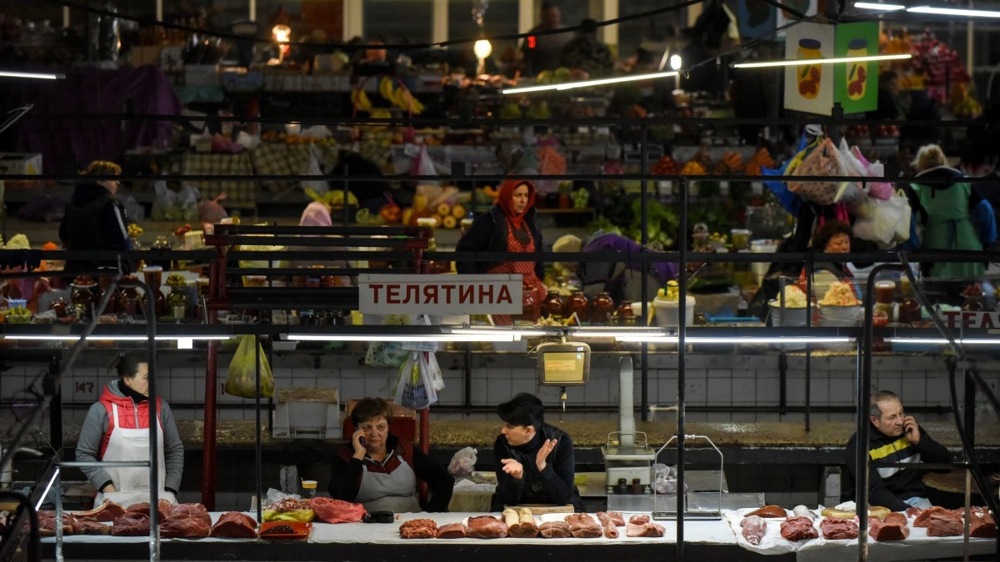
Price movements are uneven: in January vegetables rose the most (+14.7%), while eggs became cheaper (-7.7%). For families this means that the average inflation rate conceals sectoral risks — individual items in the food basket can affect the spending of one household much more than another.
Forecast and key risks
"Inflation will be at roughly the same level at the end of the year."
— National Bank of Ukraine
The NBU expects a further moderate decline in inflation in the coming months thanks to the harvests, but there is a real risk of a modest acceleration in the second half of the year due to the consequences of large-scale damage to the energy sector: both market and administrative mechanisms could add pressure on prices. Overall, the central bank assesses that for 2026 inflation may decline moderately — to around 7.5%.
What to do now
Practical steps for households: review budgets with a focus on energy-intensive expenses and seasonal purchases, diversify food suppliers, and pay attention to long-term government decisions on energy and the agricultural sector. For authorities and partners, it is important to turn the temporary relief from harvests into long-term price stability.
These statistics are a signal: inflation is falling, but remains vulnerable to external shocks. The question remains open: will the country be able to consolidate the decline and reduce risks for every Ukrainian family?