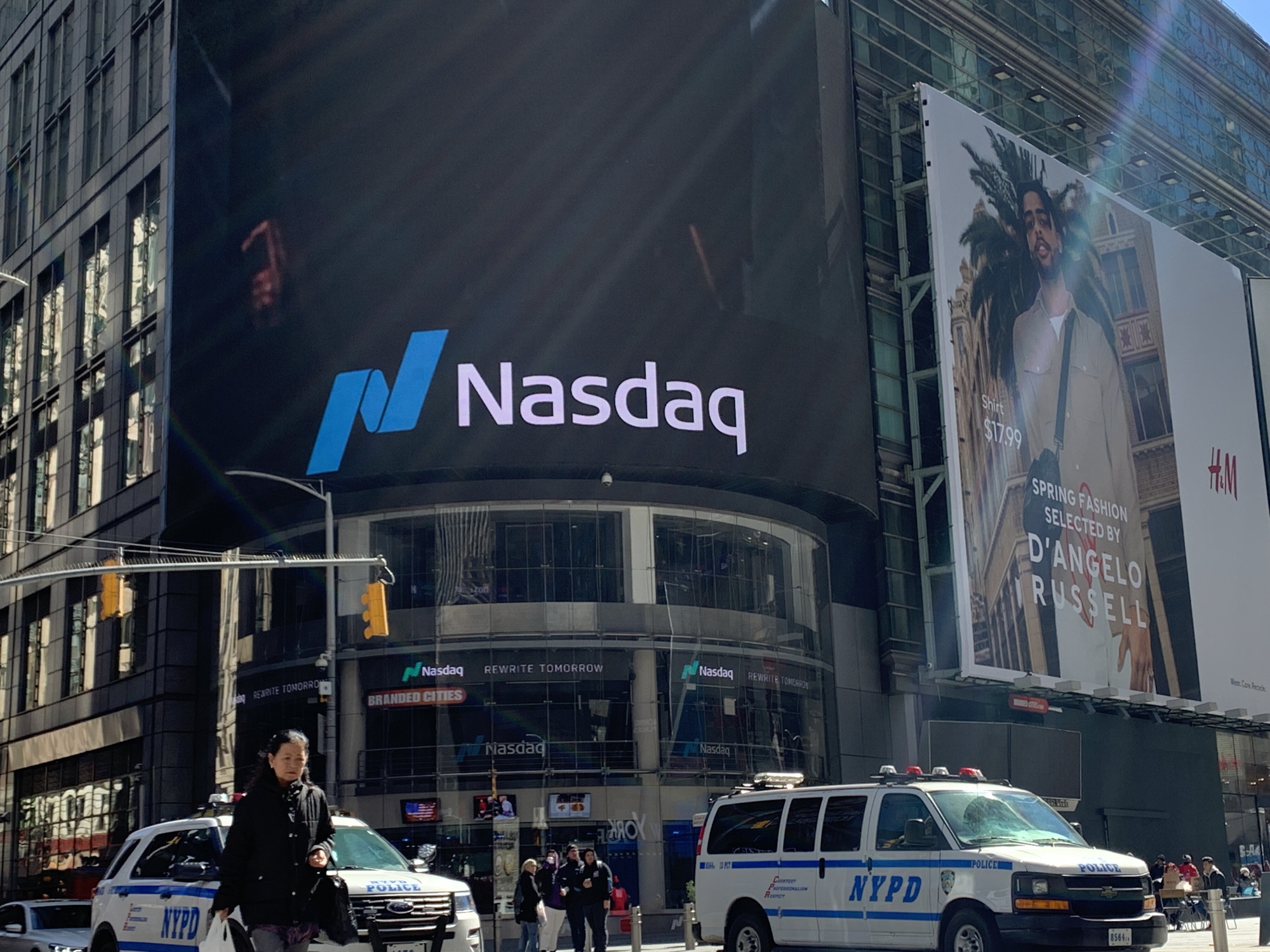
On Thursday, the Nasdaq 100 index crashed 5% — its deepest decline since April 2025. Within hours, American technology companies lost hundreds of billions of dollars in capitalization.
The trigger is neither a corporate scandal nor geopolitics. Investors are massively taking profits, fearing that the Federal Reserve will raise its key interest rate again. The logic is simple: more expensive money means more expensive credit, lower company profits, and lower fair stock valuations — especially in the technology sector, where valuations traditionally rely on future rather than current cash flows.
Why Now
The latest macroeconomic data from the United States came in stronger than expected: the labor market is holding up, inflation is not rushing toward the 2% target. For the Fed, this is an argument for not hurrying with rate cuts — or possibly raising them again. Futures on federal funds reacted accordingly: the probability of a rate hike at the upcoming meeting surged sharply.
It was precisely this market reading that triggered the selloff. Not panic — calculation.
Who Was Selling
The "Big Seven" took the hardest hit — Apple, Nvidia, Microsoft, Alphabet, and other heavyweight index constituents. Nvidia, which just a month ago was setting historic highs on the artificial intelligence hype wave, lost over 6% in a day. When such large positions fall — the index falls deeply: the ten largest companies on Nasdaq 100 account for over 50% of the index's weight.
Broader Context
The crash is a reminder: the 2024–2025 market rally was driven significantly on credit from the future — on expectations of rate cuts and an AI boom. Both narratives are now under pressure. Rate cuts are being postponed, and the first financial results from the AI wave are proving mixed: infrastructure players are making money, while the rest are still spending.
For the Ukrainian context, this has practical implications: some of the Western financial assistance and investment appetite for emerging markets correlates with Wall Street sentiment. When the American investor gets nervous — risk appetite globally falls.
What's Next
The next Fed meeting is scheduled for late July. If new inflation data comes out before then — above expectations — the selloff could continue. If inflation slows down, the market will likely recoup part of the losses.
The question is not whether the Nasdaq will recover — it has recovered after every correction over the past three years. The question is whether the "soft landing" narrative for the American economy will hold up if the Fed does go ahead with a rate hike: the answer determines whether Friday was a correction or the beginning of a reversal.