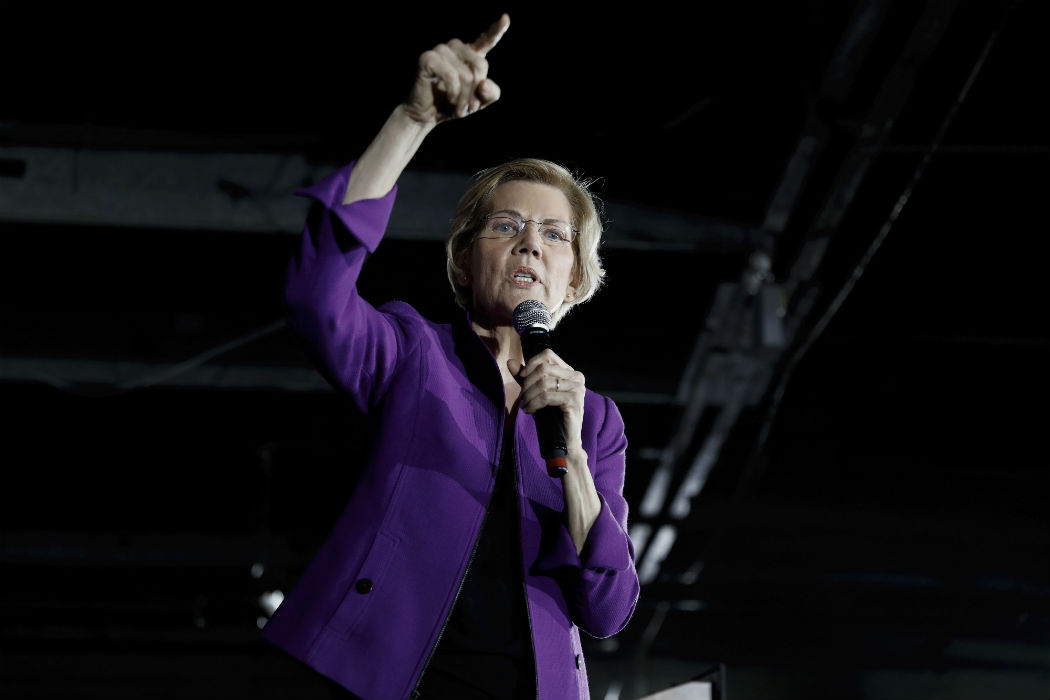
Formally, this looks like oversight: two senators wrote a letter to two cabinet members and demand a response. But a congressional letter is not an order and not a budgetary lever. The Secretary of State and the Treasury Secretary are not obligated to change policy because of a request from Capitol Hill, and this is precisely where the difference lies between a political gesture and a real mechanism of influence.
What exactly is being demanded
Senator Elizabeth Warren, the most influential Democrat on the Senate Banking Committee, along with Christopher Coons, sent a letter to Secretary of State Marco Rubio and Treasury Secretary Scott Bessent demanding an explanation for why the United States has still not resumed regular sanctions against Russia and companies that help it circumvent restrictions.
The senators emphasize that the administration suspended regular targeted sanctions against circumvention of restrictions for 17 months, and the last major package—restrictions against "Rosneft" and "Lukoil"—was introduced back in October 2025. In their view, this was a one-time step that Russia will easily neutralize.
The key argument of the letter is a quote from Bessent himself, who explained to Congress in the spring the pause as a desire to "see how peace negotiations develop." The problem is that these negotiations reached a dead end several months ago, and the pause continues to this day.
Why a letter has no legal force
The letter has no legal force: senators can only pose questions and set a deadline for a response—August 28. No penalties are provided for ignoring this deadline. This is a tool of public pressure, not enforcement control.
By contrast, senators recall the scale: between February 2022 and January 2025, the United States introduced 111 separate sanctions packages against Russia—approximately four per month. After the change of administration, the pace fell to one package per one and a half years. The difference is not in law, but in the political will of the executive branch—and this is precisely what a letter cannot change.
An additional point for the senators' argumentation: the administration continued to introduce sanctions against Iran and Cuba even during negotiations with these countries, so the pause specifically regarding Russia looks like a separate political decision, not a universal principle of "not putting pressure during talks."
Reaction from the criticized side
The Treasury Department, when asked for comment, limited itself to pointing to already imposed sanctions against oil companies and a general formula about the administration acting in the interests of U.S. national security and fair peace. No explanation was given for why the regular mechanism has not been resumed—and this is precisely what the senators demanded.
Second track: a law that may not reach the finish line
- On August 7, the Senate passed a bill from late Senator Lindsey Graham on "hell sanctions" against Russia—unlike a letter, this is already a potentially binding document.
- But its fate in the House of Representatives is uncertain: Democrats and some Republicans fear that the document gives Trump too broad authority to impose tariffs against U.S. allies, including Japan and European countries.
That is, even the instrument that in theory could turn political pressure into an obligation has become stuck due to a side effect—the risk of a tariff war with partners rather than with Russia.
What this means for Kyiv
The senators' letter is an indicator of internal American divisions over sanctions policy, but not a guarantee of its change. The real test is the Treasury Department's response by August 28 and whether the House of Representatives will even bring Graham's bill up for consideration. If both tracks remain stalled, pressure on Russia through sanctions will continue to weaken precisely when peace negotiations are at a standstill.