What happened
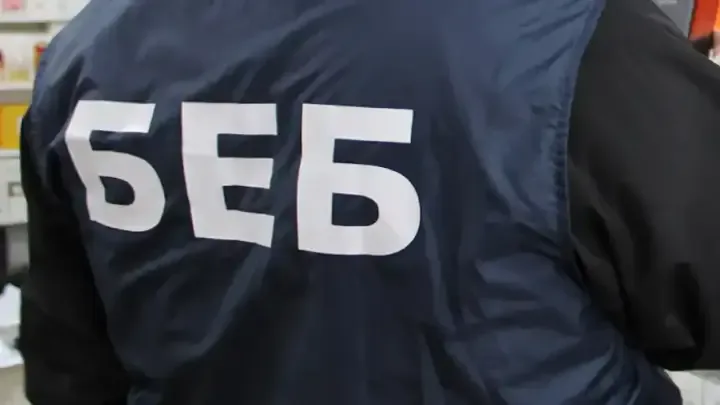
On March 5, Hungarian police detained two cash-in-transit vehicles of Oschadbank that were transporting between Austria and Ukraine $40 million, €35 million and 9 kg of gold. Seven bank employees were detained and later expelled from the country. The Hungarian side raised suspicions of money laundering and possible links to the "Ukrainian war mafia," which in Ukraine are considered unfounded. The cash has not been returned. On March 10 the Hungarian government adopted a decree to hold the seized funds and bullion for at least 60 days.
"The NBU called that demand moderate."
— National Bank of Ukraine
Why the NBU reacted
After the full-scale invasion, air traffic decreased, and banks began delivering cash by land — mainly through Austria and Hungary. Complications in transit create risks for banks' liquidity and access to foreign currency for businesses and citizens. To mitigate these risks, since March 9 the NBU began operations to convert non-cash foreign currency into cash.
In practice it looked like this: on March 9 the regulator offered $100 million and €80 million; banks submitted applications for $53.1 million and €42 million (five banks) — all requests were fulfilled. On March 10 $100 million and €35 million were offered; one bank applied for $20 million and €10 million — also approved. The NBU called demand moderate, indicating sufficient cash reserves in the system.
What this means for Ukrainians
In short: the regulator is working to avoid local currency shortages and to protect access to savings. This is an example of systemic work that is not always visible in headlines but has a direct impact on the stability of banking services and on businesses' ability to conduct international operations.
However, risks remain — it's not only logistics but also a political factor in relations with transit countries. The NBU's next operations will depend on the needs of the banking system and the development of diplomatic negotiations regarding the return or access to the seized funds.
Conclusion
The NBU quickly mobilized tools to mitigate the hit to liquidity — a signal that the financial system is working to protect savings. Going forward, two things are important: resolving the issue of the seized assets at the diplomatic level and ensuring stable logistical routes for cash. Whether it will be possible to turn the temporary mechanism into a long-term security system is a question for the government and its partners.