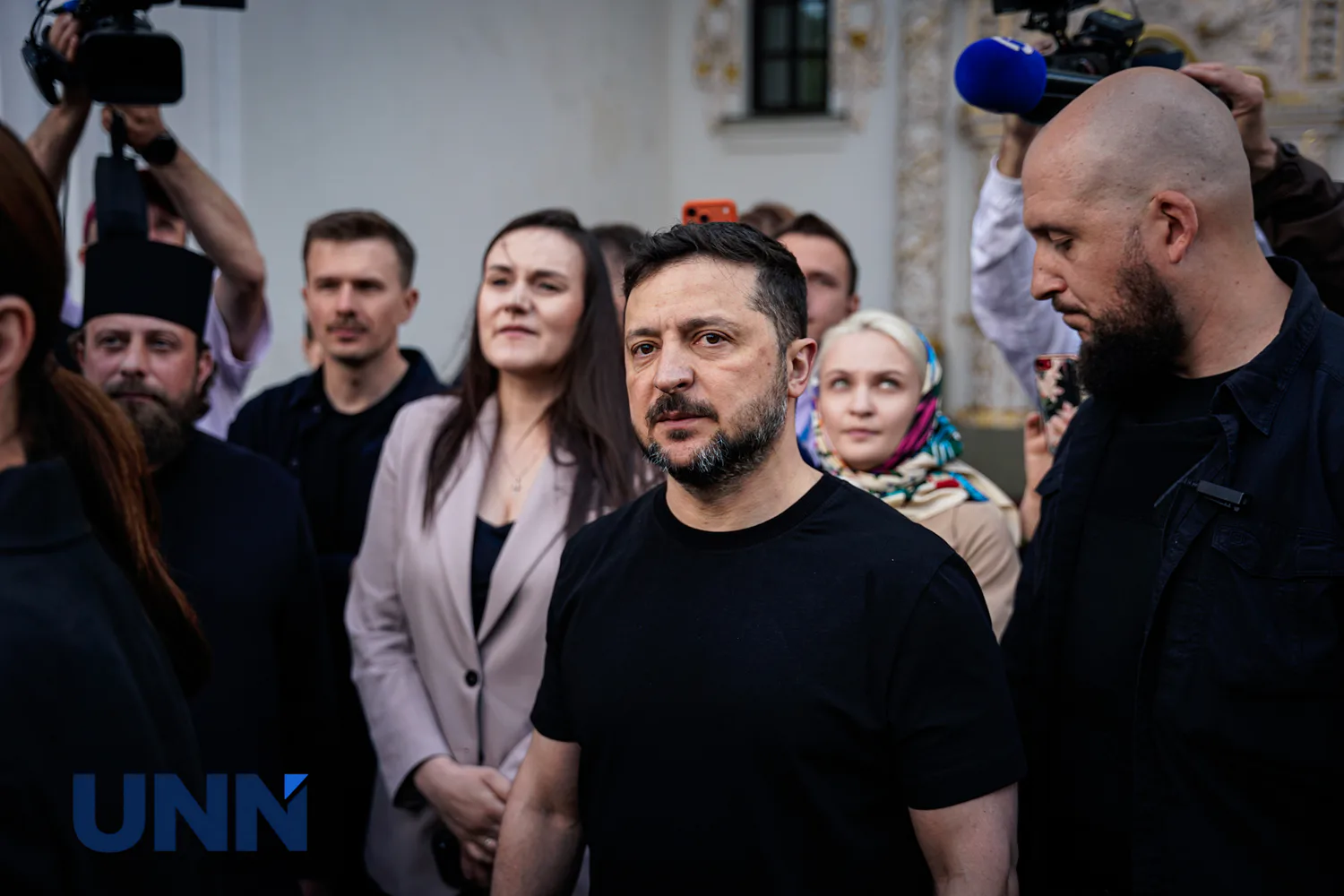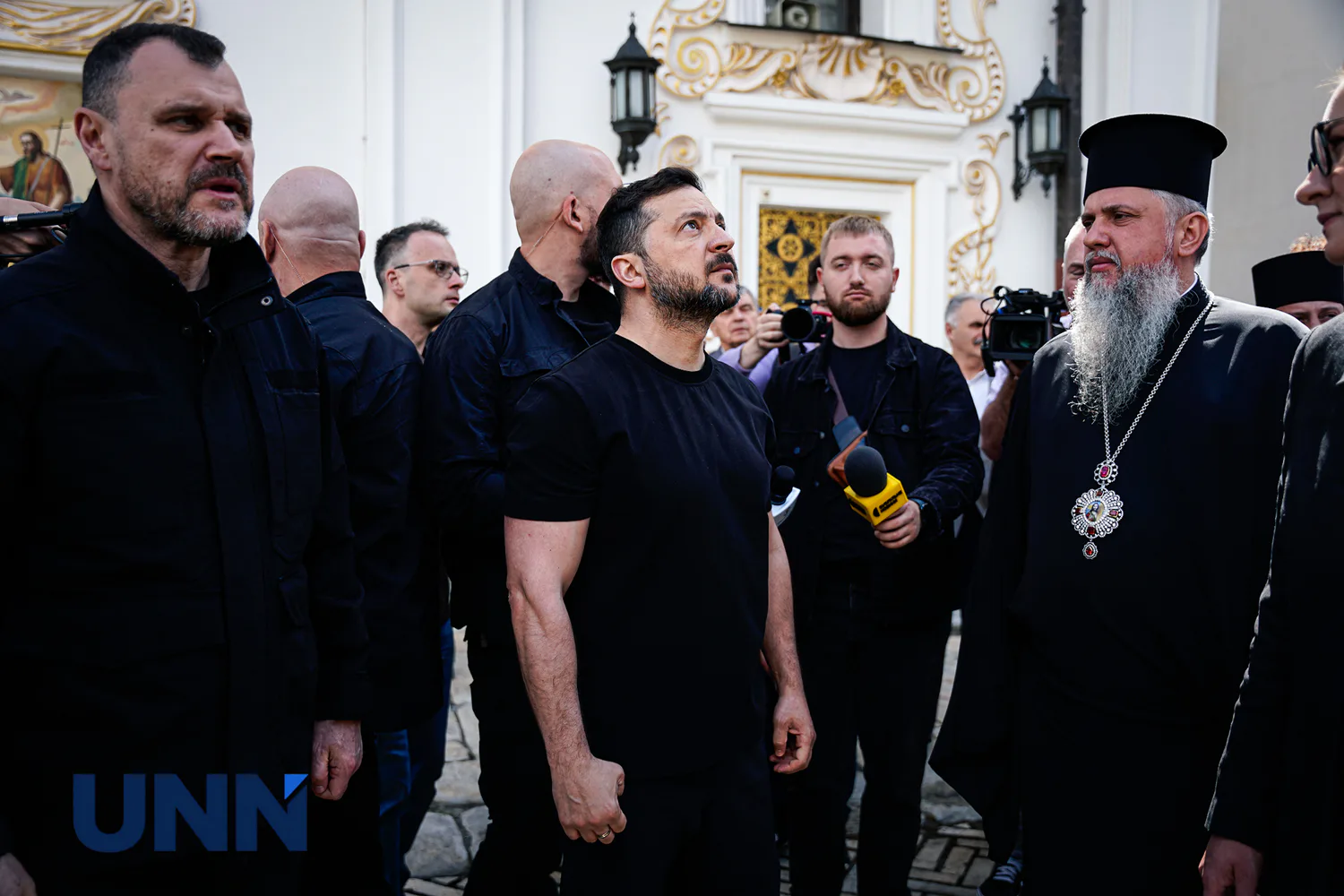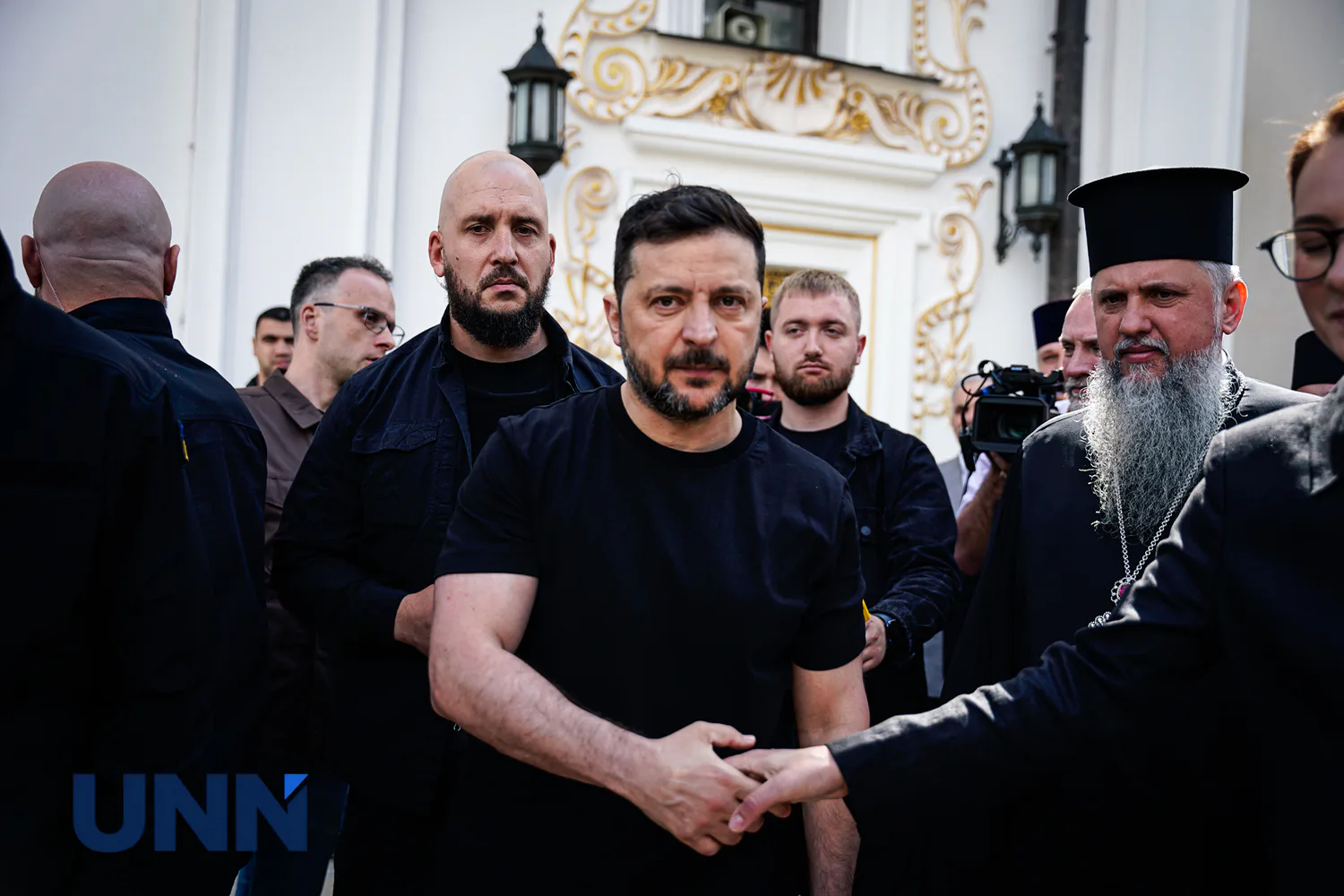
Just after one o'clock in the morning on June 15, a rocket struck directly at the Stefanivsky chapel — the altar section of the Assumption Cathedral of the Kyiv-Pechersk Lavra. According to the SESU, it was a double strike: first the rocket, then a second hit. The cathedral roof was burning over an area of approximately 800 square meters.
What Was Destroyed and What Was Saved
The General Director of the National Reserve Maksym Ostapenko reported serious damage to the iconostasis, frescoes, and interior paintings immediately after the fire was extinguished. Rescue workers inspected the structures and warned of collapse risk: the fire had passed through the entire upper part of the building. Before the fire, staff managed to evacuate the most valuable relics and museum exhibits from the Refectory — including items from the unique exhibition "Christ Is Risen." In total, the reserve recorded damage to five monuments of national significance. The final extent of the damage can only be assessed after a complete structural inspection.
Money From a Nearly Empty Fund
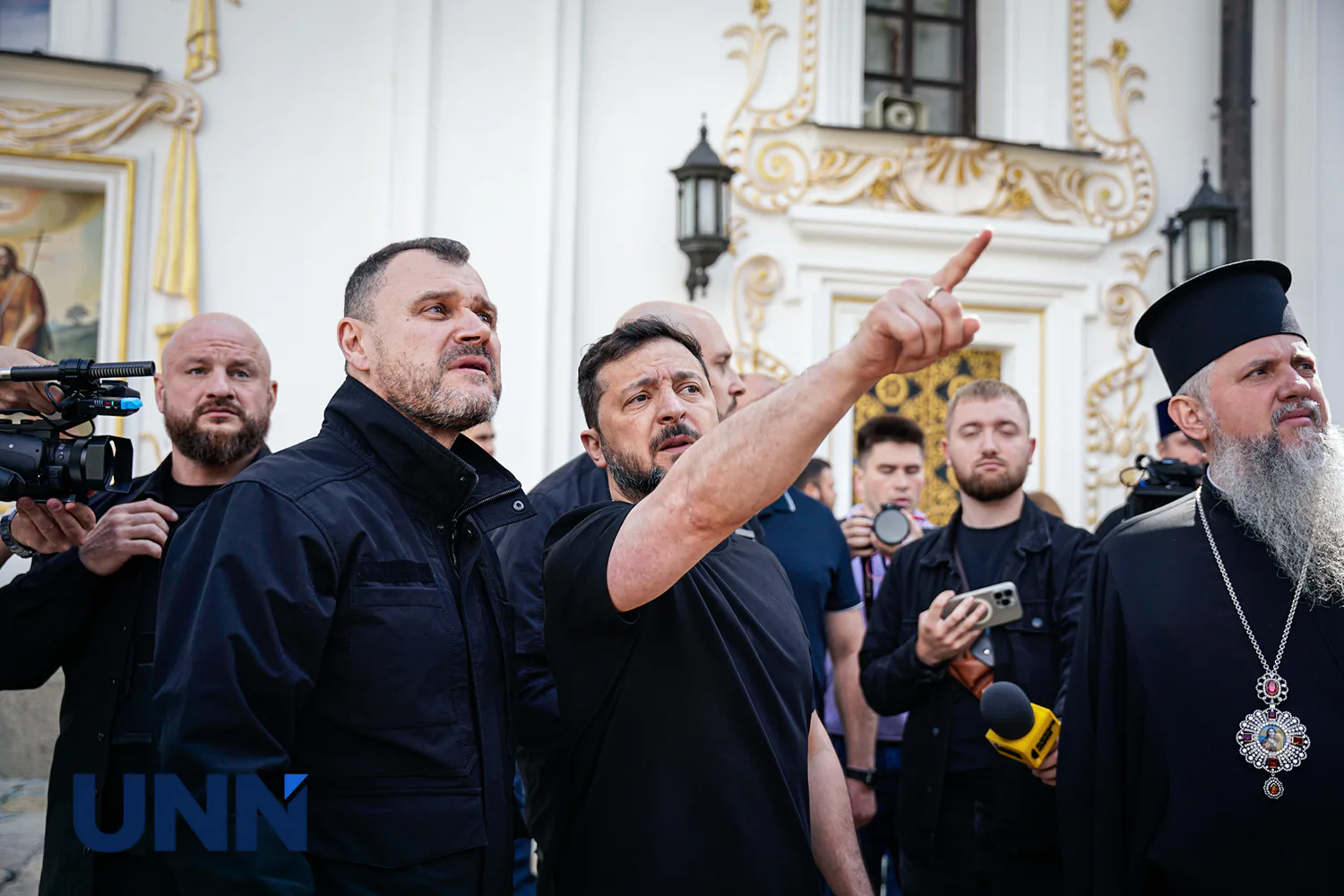
President Zelensky, who personally arrived at the site together with Prime Minister Yulia Svyrydenko and Interior Minister Klymenko, announced a decision: the government will allocate funds from the reserve fund.
"The government will allocate funds for the restoration of the damaged Lavra. They will be directed toward urgent work to eliminate the consequences of the damage."
President Zelensky
Svyrydenko is to hold an urgent Cabinet meeting for this purpose. However, the context is not very optimistic: according to the Financial Club, as of March 30, the reserve fund had already been spent at 87.2% of its annual limit of 54.5 billion hryvnias. In spring, MP Yaroslav Zheleznyak noted that the fund has approximately 20% of resources remaining — and this was before a new wave of massive infrastructure attacks.
International Dimension: The Hague and UNESCO
The Lavra is a UNESCO World Heritage Site and a monument under enhanced protection under the Second Protocol to the 1954 Hague Convention. A deliberate strike against such an object is one of the most serious crimes against cultural heritage under international law. Foreign Minister Andrii Sybiha announced the immediate start of procedures within UNESCO and other international mechanisms.
"No vague words, silence, or weak steps. Action is needed to stop Russian barbarism."
Andrii Sybiha, Ukraine's Foreign Minister
International experts, including UNESCO representatives, were called to the scene to document the damage in accordance with protocols that could be used in future tribunal proceedings. Journalist and historian Vakhtang Kipiani, responding to questions about Russia's intentions, directly stated: the strike on the Lavra was not accidental.
Why Now
The Lavra is a symbol that Russia has long tried to use in its own narrative through the Moscow Patriarchate-controlled branch of the UOC based on its lower territory until forced eviction. The physical destruction of this symbol in the midst of diplomatic negotiations over a ceasefire is a signal simultaneously addressed to both the West and Ukrainian society. To the West: negotiations do not change the logic of strikes. To Ukrainians: no place is untouchable.
The state announced funding — but a specific amount, list of work, and restoration timeline have not yet been provided. If the government does not publicize a cost estimate before restoration work begins, the question of transparency in spending reserve fund resources on cultural heritage — in the midst of war and a lack of funds — will arise on its own.