What happened
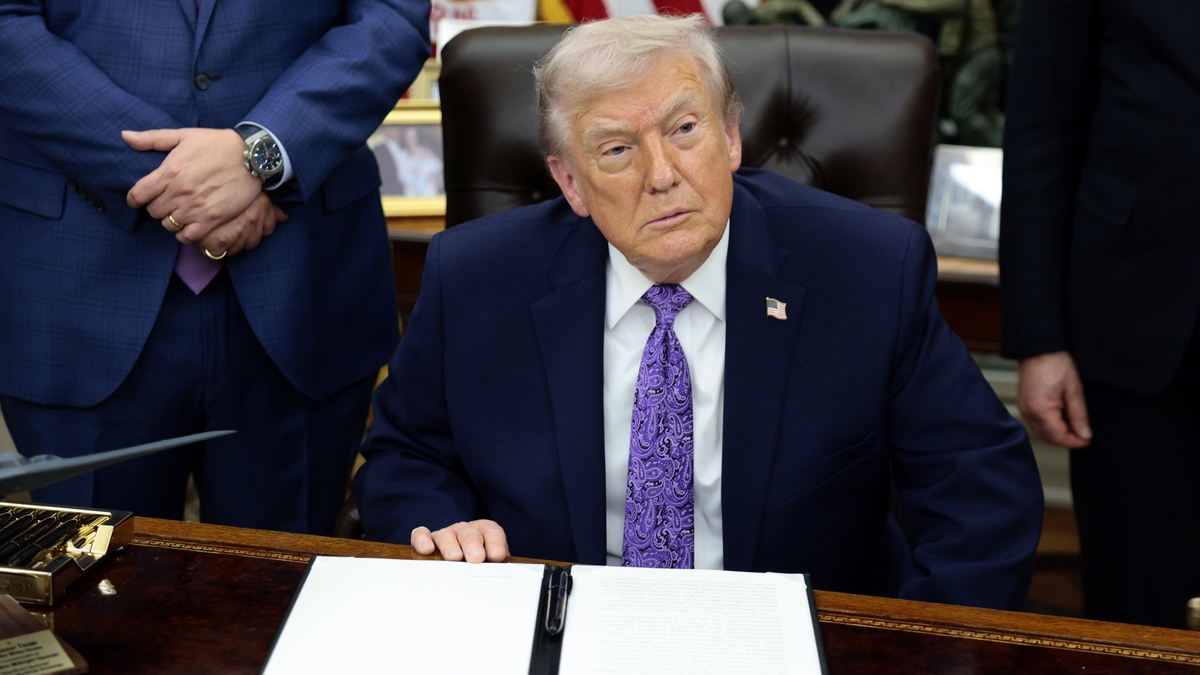
On January 7, U.S. President Donald Trump signed an order withdrawing the United States from the agreement establishing the Ukrainian Scientific and Technological Center (USTC). The decision is part of a broader list of 66 international organizations whose participation, according to the White House, "no longer serves the interests of America." Information about the order was published on the White House website.
"President Trump made it clear: it is no longer acceptable to send to these institutions funds earned by the hard work of Americans while receiving virtually nothing in return. Gone are the days when billions of taxpayers' dollars went to serve foreign interests at the expense of our people."
— The White House (statement)
Why the USTC existed
The 1993 agreement, signed by Ukraine, Canada, the United States and Sweden, created the USTC as a mechanism to control the spread of technologies related to weapons of mass destruction — nuclear, chemical and biological. The center had two key functions: preventing proliferation and redirecting specialists from defense programs into peaceful scientific and applied projects (energy, environment, nuclear safety).
Financial hit and practical risks
In 2024 the USTC budget exceeded $25 million, and that same year funding for new projects was signed for almost $63 million. The U.S. withdrawal means not just a symbolic move — it is a real loss of resources for ongoing programs, tenders and contracts that provide retraining and research.
Among the practical risks are delays in implementing nuclear safety projects, reduced opportunities for applied research and weaker coordination of nonproliferation measures. It is also a blow to the trust of international partners, who evaluate funding stability when deciding whether to cooperate.
Washington's rationale
Analysis of the decision points to a combination of two factors: political rhetoric about "saving taxpayers' money" and a desire to restructure international commitments to align with its own strategic interests. In the short term this is advantageous for the domestic political agenda, but at the same time it undermines mechanisms for long‑term control over risky technologies.
What Ukraine can do
The task for Kyiv now is to quickly reduce the risks from the funding break. Possible actions:
- seek immediate replacement funding from Canada, Sweden, the EU and other partners;
- reorient part of the programs toward international grants and security funds;
- strengthen the USTC's transparency and reporting to convince partners of the measurable impact of projects;
- intensify the diplomatic track with U.S. agencies and Congress to minimize losses and, possibly, preserve parts of projects through other channels.
Nonproliferation experts note that technical programs carry more weight than political declarations — real regional security depends on them.
Conclusion
The U.S. decision is a signal forcing Ukraine and its partners to review financial models for supporting key programs. This is not merely a diplomatic decision: it is a test of the international community's ability to preserve tools for controlling risky technologies amid political changes. The ball is now in the partners' court — declarations must turn into signed contracts and concrete support mechanisms.