What happened
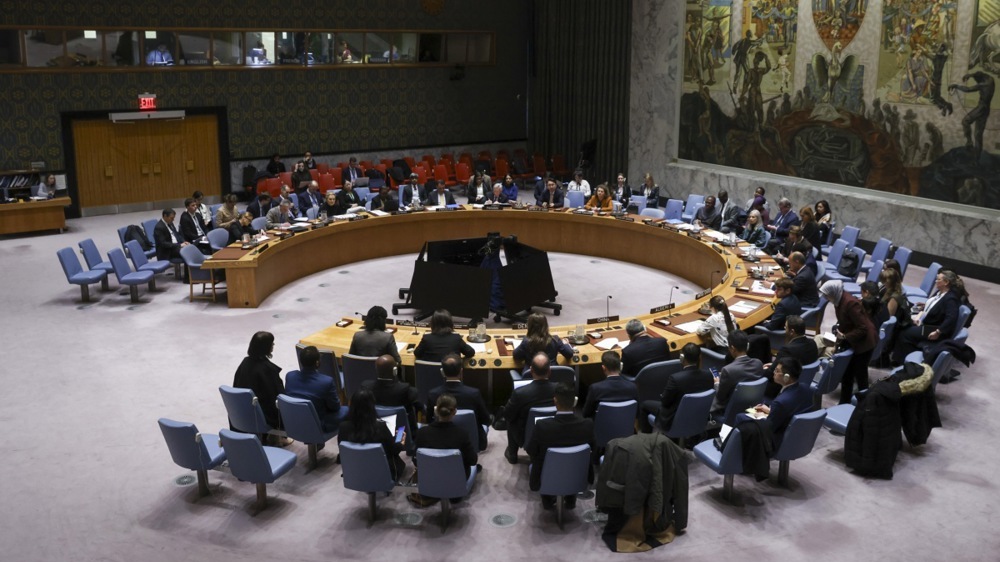
According to Reuters, the United States will make the first payment in the coming weeks to begin repaying its accumulated arrears to the United Nations. The agency was told this by the U.S. permanent representative to the UN, Mike Waltz.
"You will certainly see an initial tranche very soon. It will be a significant... advance payment toward our annual contributions. I don't believe the final amount has been determined yet, but it will happen within a few weeks."
— Mike Waltz, U.S. permanent representative to the UN
Figures and sources
According to the UN, as of early February over 95% of arrears on the regular budget are owed by the United States — about $2.19 billion. Additionally, the U.S. has accumulated roughly $2.4 billion for peacekeeping operations and $43.6 million to fund tribunals. The debtor list shows $827 million for the 2025 regular assessment and $767 million for 2026.
On February 3 the U.S. president signed a spending bill that provides $3.1 billion to pay U.S. contributions to the UN and other international organizations — giving a legal basis for partial repayment of the debts.
Why it matters for Ukraine
For Ukraine, stable UN funding has several dimensions: from supporting international accountability mechanisms to ensuring the operation of missions that monitor human rights violations. In October 2025 Reuters reported cuts to peacekeeping contingents in several operations due to lack of funds — a direct example of how the UN's budget problems affect security.
Thus, even a partial return by the United States reduces the likelihood of further cuts and gives more room for law enforcement and humanitarian mechanisms to operate, which are also important for Ukrainian interests on the international stage.
Reforms as a condition for the payment
The U.S. representative stressed that part of the funds will be viewed as "recognition of some reforms we have already seen," emphasizing the need to reduce duplication of functions and improve the efficiency of the UN bureaucracy. That framing is a classic example of combining money with demands to change the system.
At the same time the UN is sounding the alarm: Secretary-General António Guterres warned of the risk of an "inevitable financial collapse," and the head of the Office of the High Commissioner for Human Rights requested an additional $400 million for its work.
"The organization is at risk of an inevitable financial collapse."
— António Guterres, UN Secretary-General
What next
The initial U.S. tranche is not an instant solution to the problem, but an important practical step. For Ukraine and other interested countries it means a greater chance to preserve key operations and to put pressure on the UN regarding transparency and efficiency. Analysts and diplomats note that the real test is whether these declarations and tranches will turn into sustained policy, rather than temporary raising of resources under political pressure.
Conclusion
U.S. payments give the UN short-term relief and bolster Washington's arguments in favor of reforms. For Ukraine this is a step toward a more predictable international environment — if the money is accompanied by accountability and real changes in the organization's work. The next move is up to partners and the UN itself: will these steps produce systemic change, or will they revert to temporary solutions?
Source of key facts: Reuters; official statements by the U.S. representative to the UN and UN materials.