Turkey's position in Paris
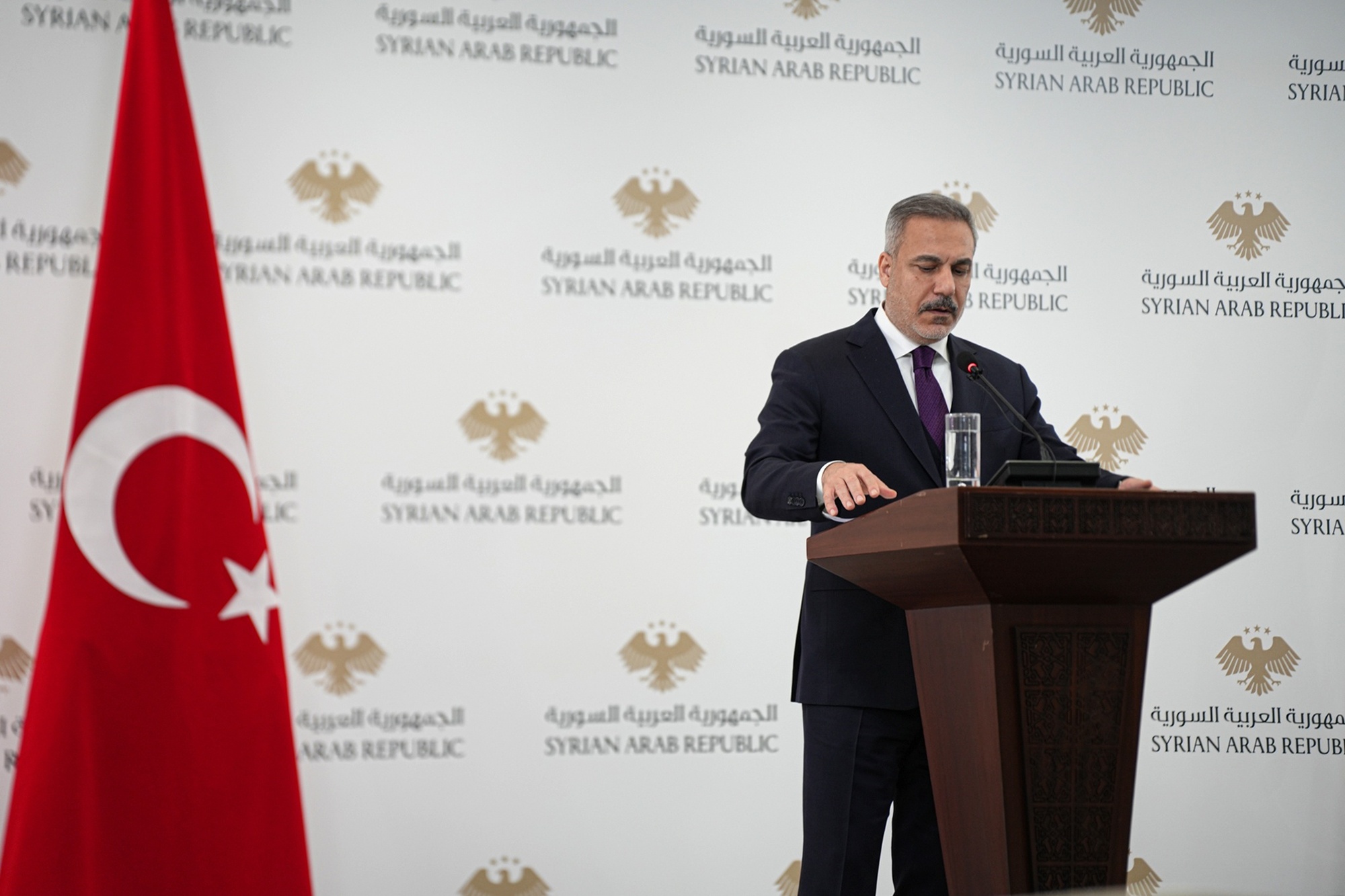
Turkey's Foreign Minister Hakan Fidan is set to emphasize that supporting security in the Black Sea is Ankara's strategic priority. Reuters conveyed this information via a source in the Turkish foreign ministry. The summit, under the auspices of French President Emmanuel Macron, brings together more than 30 countries in the "Coalition of the Determined" format, and it is on this platform that Ankara will try to turn statements into concrete steps.
"Turkey regards supporting security in the Black Sea as a strategic priority and reminds all parties of its position on this issue."
— source in the Turkish foreign ministry / Reuters
Context: drone incidents and risks to shipping
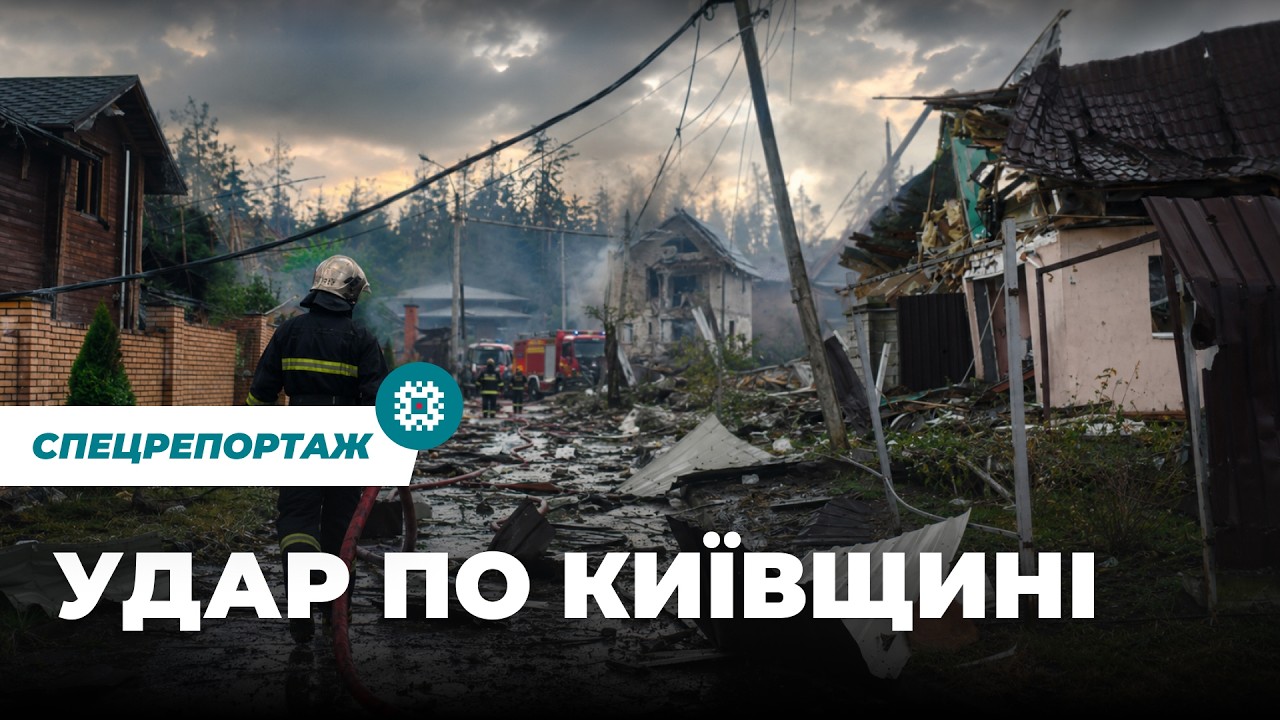
Ankara's decision is not accidental. Recent weeks have shown an escalation of risks in the region: unmanned aerial vehicles repeatedly violated Turkish airspace, one of which was shot down near Ankara. A strike was also recorded on a civilian vessel bound for Egypt — the December 13 attack directly on the ship's wheelhouse put the security of trade chains at risk.
- December 13: a Russian drone struck a Turkish vessel en route to Egypt with sunflower oil on board.
- December 25: the press secretary of the Turkish Ministry of Defense, Rear Admiral Zeki Aktürk, expressed concern and called small, low-altitude drones "a new-generation threat" to air defense systems.
"Small, low-altitude drones are a new-generation threat to our air defense systems."
— Zeki Aktürk, press secretary of the Turkish Ministry of Defense
What this means for Ukraine
For Ukraine, Black Sea security is not an abstract diplomatic thesis but a matter of export, energy and food security, as well as covering the southern flank. In practice, Turkey's active stance creates several possible consequences: strengthening maritime monitoring, de-escalation initiatives, and mechanisms to protect merchant vessels. Ankara, as a littoral state and a member of the North Atlantic Alliance, has influence that can be used to shape practical solutions.
Analysts point out that it is now important not only to declare the priority but also to put mechanisms in place: joint patrols, intelligence coordination, legal tools to protect civilian shipping and, possibly, technological support for demining. For Ukraine this is an opportunity to secure real guarantees of maritime safety, not another round of declarations.
Conclusion
Turkey's position at the Paris summit could become a catalyst for concrete maritime initiatives in response to the risks in the Black Sea. But whether partners will turn statements into operational steps will depend on the coalition's readiness to coordinate resources and responsibilities. Whether Ukraine will seize this window of opportunity is a matter of strategic choice.