Why this matters now
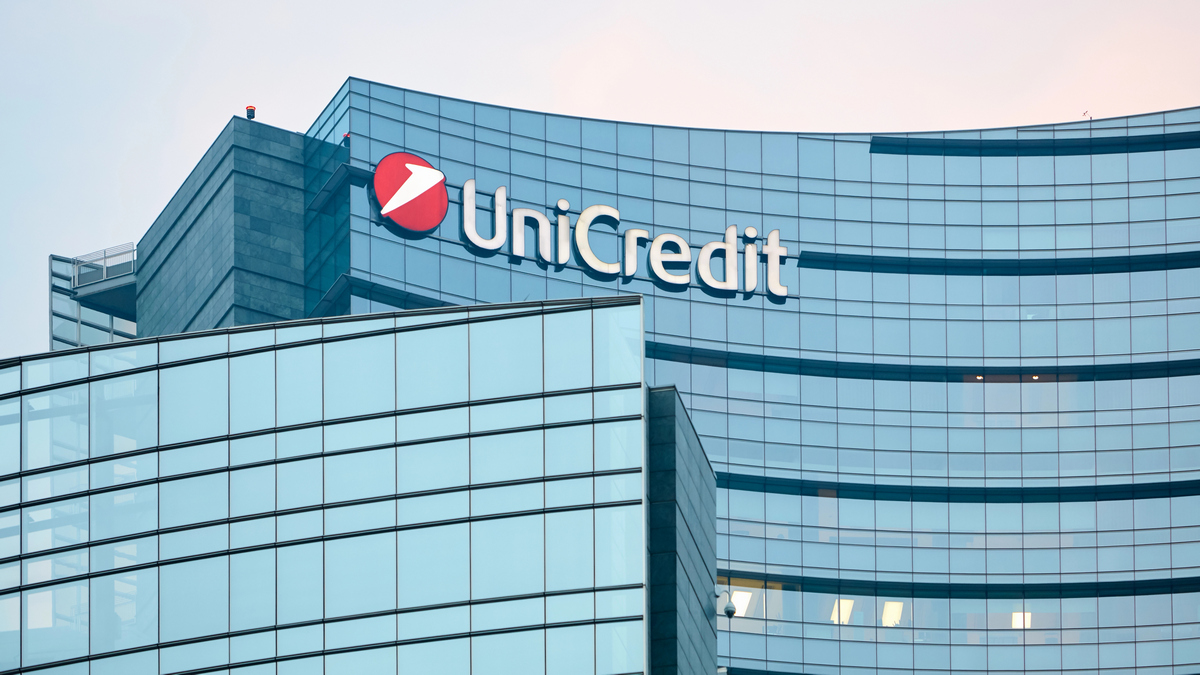
UniCredit has officially made a voluntary takeover offer for Commerzbank — a move aimed at crossing a key legal threshold in Germany at the 30% ownership level. This is not just a corporate transaction: it concerns reshaping the scale of the banking sector in Europe, increasing capital concentration, and affecting lending to businesses and households in the continent’s largest economy.
Facts in brief
UniCredit has offered an exchange ratio of 0.485 UniCredit shares for each Commerzbank share — equivalent to roughly €30.80 per share, or a valuation of Commerzbank of about €35 billion (source: Handelsblatt, UniCredit press release). The Italian bank currently holds around 26% of the shares, and including derivatives — ~29.9%.
Key legal detail: under German law, crossing the 30% mark triggers additional requirements and restrictions. UniCredit’s goal is to circumvent these mechanisms without acquiring a controlling stake, which would allow it to purchase shares on the market more freely.
Because additional capital is needed to complete the deal, UniCredit will convene an extraordinary general meeting of shareholders no later than 4 May 2026.
What the parties and the market say
"Europe needs bigger banks to compete with powerful American financial institutions."
— Andrea Orcel, CEO of UniCredit
UniCredit is already present in Germany through HypoVereinsbank (HVB) and sees synergies in serving private and medium-sized enterprises. Handelsblatt assesses the offer as a small premium to the market price — a signal that the deal is more strategic than speculative in nature.
"The acquisition could lead to mass layoffs among Commerzbank’s 42,000 employees — a lesson from the previous 2005 merger, when HVB suffered significant cuts."
— Ver.di, German trade union
Consequences: risks and benefits
Benefits: greater capitalization and scale could ease financing of large infrastructure projects, support trade, and boost business lending in Europe; for Ukraine, this could mean a potentially larger pool of European creditors and more stable partners in the post-war recovery period.
Risks: consolidation is often accompanied by cost-cutting — notably staff reductions, as unions warn; political resistance in Germany (given the state’s roughly 12% stake) could slow or alter the structure of the deal; increased regulatory scrutiny and antitrust issues.
What’s next
In the short term, the market will await the shareholder vote and agreement on recapitalization terms. In the long term, the outcome of this attempt will determine whether the trend toward larger European banks continues and how quickly the continent can build financial institutions capable of competing globally.
Conclusion. This is not just a business deal between two banks — it is a step in transforming Europe’s financial landscape. For Ukraine, it is important to follow not only the financial aspects but also the political and social consequences: stable European banks could become key partners in reconstruction and trade, but the consolidation process carries costs for workers and local markets.