The European Bank for Reconstruction and Development (EBRD) has approved an emergency loan of 25 million euros for Dnipro's main utilities. The funds are intended to support the city's critical infrastructure amid ongoing shelling.
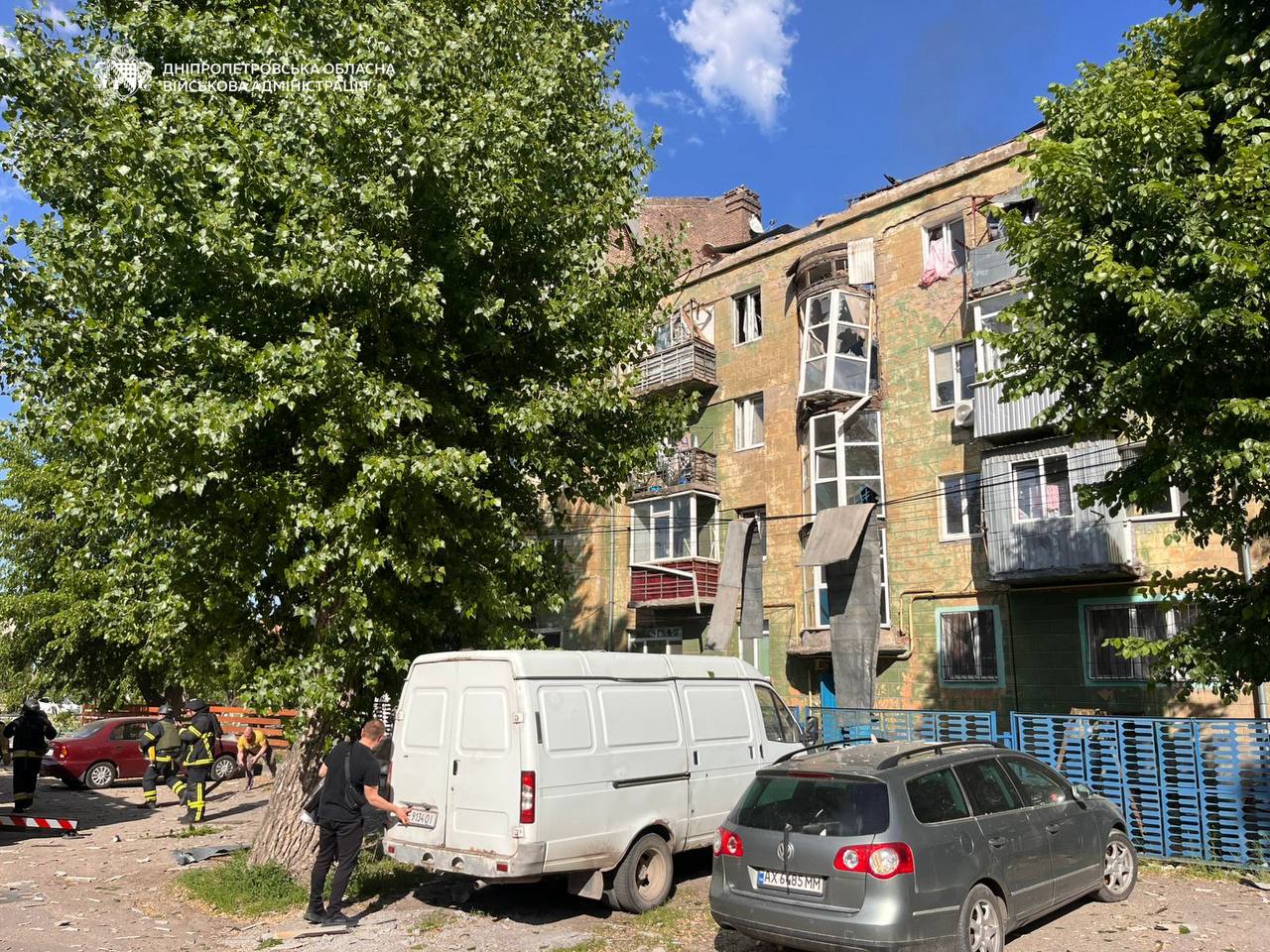
Dnipro is Ukraine's fourth-largest city and a key logistics hub through which humanitarian and military aid passes. The city's utilities infrastructure regularly comes under fire: in recent months alone, heating and water supply facilities serving hundreds of thousands of people have been damaged.
What this loan is
The loan is classified as emergency—meaning it is issued in an expedited manner without standard lengthy assessment procedures. The EBRD uses this instrument for cities and enterprises facing direct threats to their operations. The recipients are utilities responsible for heating, water supply, and public transport.
25 million euros is a loan, not a grant. The city is obligated to repay it. For comparison: the average annual budget of the utilities sector in a large Ukrainian city is several hundred million hryvnias, while the cost of repairing one severely damaged substation can reach 10-15 million euros.
Where the real conflict lies
The emergency mode of lending has a downside: simplified procedures mean less prior oversight of how funds are used. The EBRD traditionally requires reporting after the fact, but even this mechanism operates with delays under active combat conditions.
At the time of publication, there is no public list of specific facilities where the funds will go. There is only a general description—"main utilities." For a city with over a million residents, this is a broad definition.
Context
This is not the first tranche of international support for Ukraine's utilities infrastructure. The World Bank, the European Union, and individual donor countries have already directed billions of euros toward restoring energy and utilities. According to estimates by Ukrainian analytical organizations, some of these funds are spent effectively—some end up in inefficient purchases or are delayed due to bureaucracy.
Dnipro in this sense is a telling case: a city with a relatively effective municipal administration, but also with a traditionally opaque utilities sector.
The question that will determine the real value of this loan: will city authorities disclose a specific list of facilities and cost estimates before the first tranches are spent?