When Dobroobat appeared in Irpin in spring 2021, no one planned that a year later this movement would become one of the first civilian tools for post-occupation recovery. The organization's fourth anniversary is an occasion to look not only at expressions of gratitude, but also at the numbers.
From rubble to roofs: what volunteers did
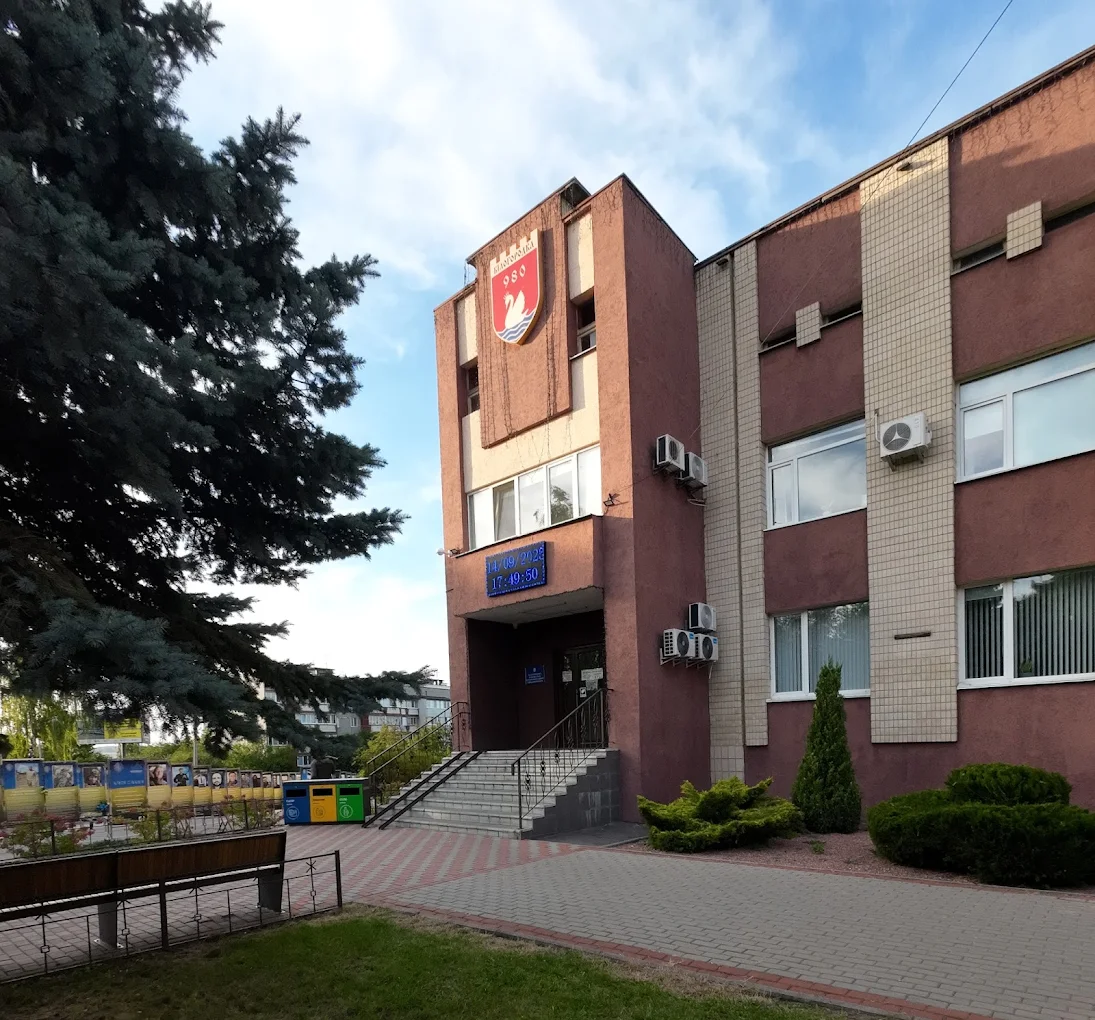
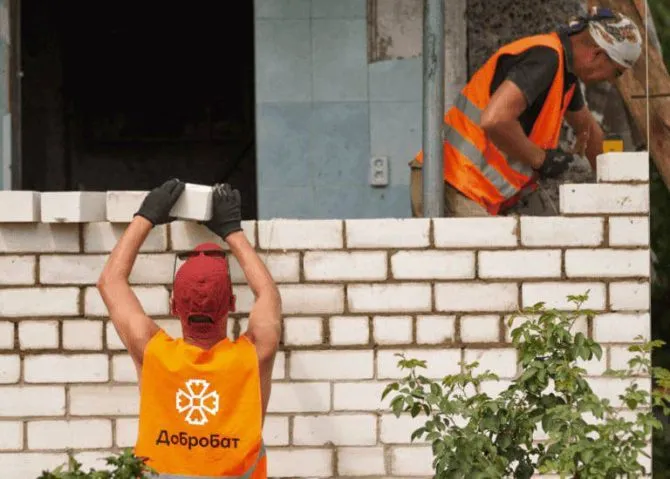
After Irpin was liberated in spring 2022, Dobroobat volunteers came to the city among the first. They cleared rubble, cleaned up school and hospital territories, and patched roofs where walls still stood just a week before. According to Oleksandr Paschynskyi, First Deputy Mayor of Irpin, over four years volunteers have rebuilt hundreds of residential buildings in the community.
But Irpin is only the starting point. As reported by "Rubrika" citing the organization's leadership, today Dobroobat operates in seven regions of Ukraine and has over 46,000 volunteers. In total, work has been completed on over 110 objects, including multi-apartment buildings.
Why volunteers are not a temporary solution
The scale of need makes volunteering a structural, not charitable response. As of summer 2023, Ukraine had over 163,000 damaged buildings — with a total area of 87 million square meters, or 8.6% of the entire housing stock of the country. This figure continues to grow: attacks on civilian infrastructure do not stop.
"As a rule, Ukrainian communities are open to cooperation and actively support volunteers. Irpin can be cited as an example of successful cooperation with local authorities"
— Dobroobat leader, according to "Rubrika"
Among the movement's partners are foreign organizations. In particular, the Estonian charity Mondo has joined efforts to restore housing for large families in Irpin. This means that the Dobroobat model is already being integrated into international donor chains — not as a one-time project, but as a permanent implementer.
Volunteering as infrastructure
46,000 people — this is more than the population of some Ukrainian cities. But 110 completed objects against 163,000 damaged buildings — this is less than 0.1% of the need. The question is not whether there are enough volunteers, but whether there is systemic coordination between volunteer networks, government recovery programs, and international donors.
If the state continues to view Dobroobat as a supplement to official recovery programs rather than as a partner with access to funding and planning — the movement's throughput will remain limited regardless of the number of volunteers.