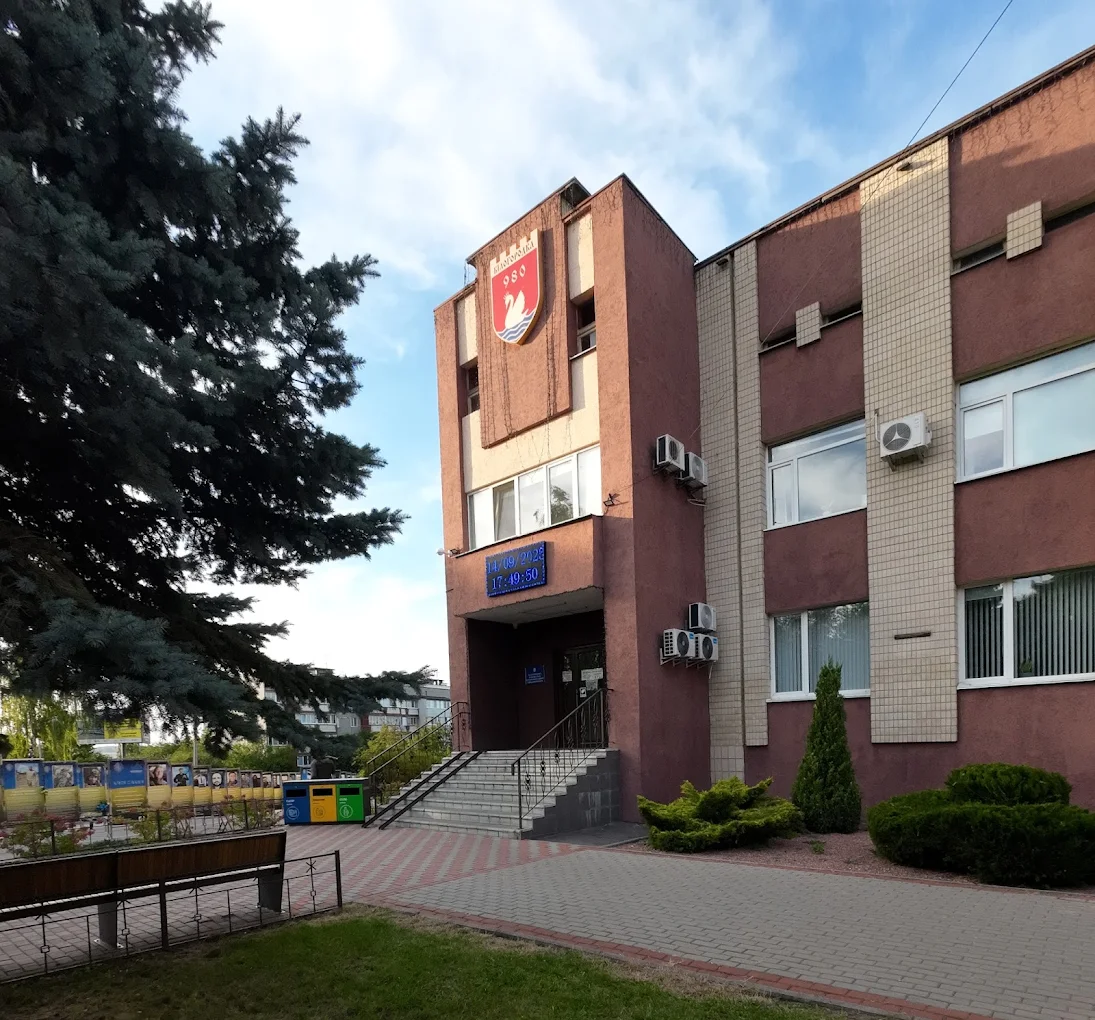
Over the first nine working days, approximately 60 calls were received at the number 0 800 335 191 — an average of six to seven per day. This is the "hotline" of Irpin City's First Deputy Mayor Oleksandr Paschynsky, which started operating in 2025. The number may be small, but the topics speak volumes.
What concerns people after reconstruction
Among the main issues are emergency trees, problems with public transport stops, and utility rates. At first glance — minor details. In reality — a marker: three years after the occupation, Irpin is rebuilding walls faster than it is restoring basic city services.
Irpin City Council developed one of the most detailed reconstruction plans in Ukraine — with addresses, number of residents, and reconstruction costs. But "hotlines" record what doesn't make it into the plans: a tree leaning over a children's playground, a bus stop without a shelter, an incomprehensible utility bill.
How the line works — and where its boundaries are
Schedule — Monday to Friday, 08:00–17:00. Calls are forwarded to relevant utility enterprises and structural departments. In other words, the line is currently an aggregator, not a decision-making center: it collects signals but has no independent execution resources.
"Every call will be processed and will receive an immediate response. We are working to be closer to people and to resolve important community issues faster."
Oleksandr Paschynsky, First Deputy Mayor of Irpin
In parallel, Paschynsky conducts traditional Wednesday public receptions — and there are also queues there: questions about major repairs suspended in 2024 due to lack of funding from the Recovery Service, requests from military personnel regarding budget allocation, complaints from residents about frozen work.
Domestic reconstruction as a separate front
Irpin is a symbolic city: the first city liberated after the full-scale invasion, and the first where a detailed reconstruction plan appeared. But symbolism doesn't remove emergency trees. Six calls a day — this is not an anomaly, it is a stable background request from the community that has returned and wants the city to function, not just look reconstructed.
What will matter is not the number of calls accepted, but the share of closed requests with confirmed results. If the line introduces public reporting — at least monthly statistics of "received / forwarded / resolved" — it will become a tool to pressure utilities. If not, it risks becoming a buffer that relieves social tension without solving problems.