Service restored
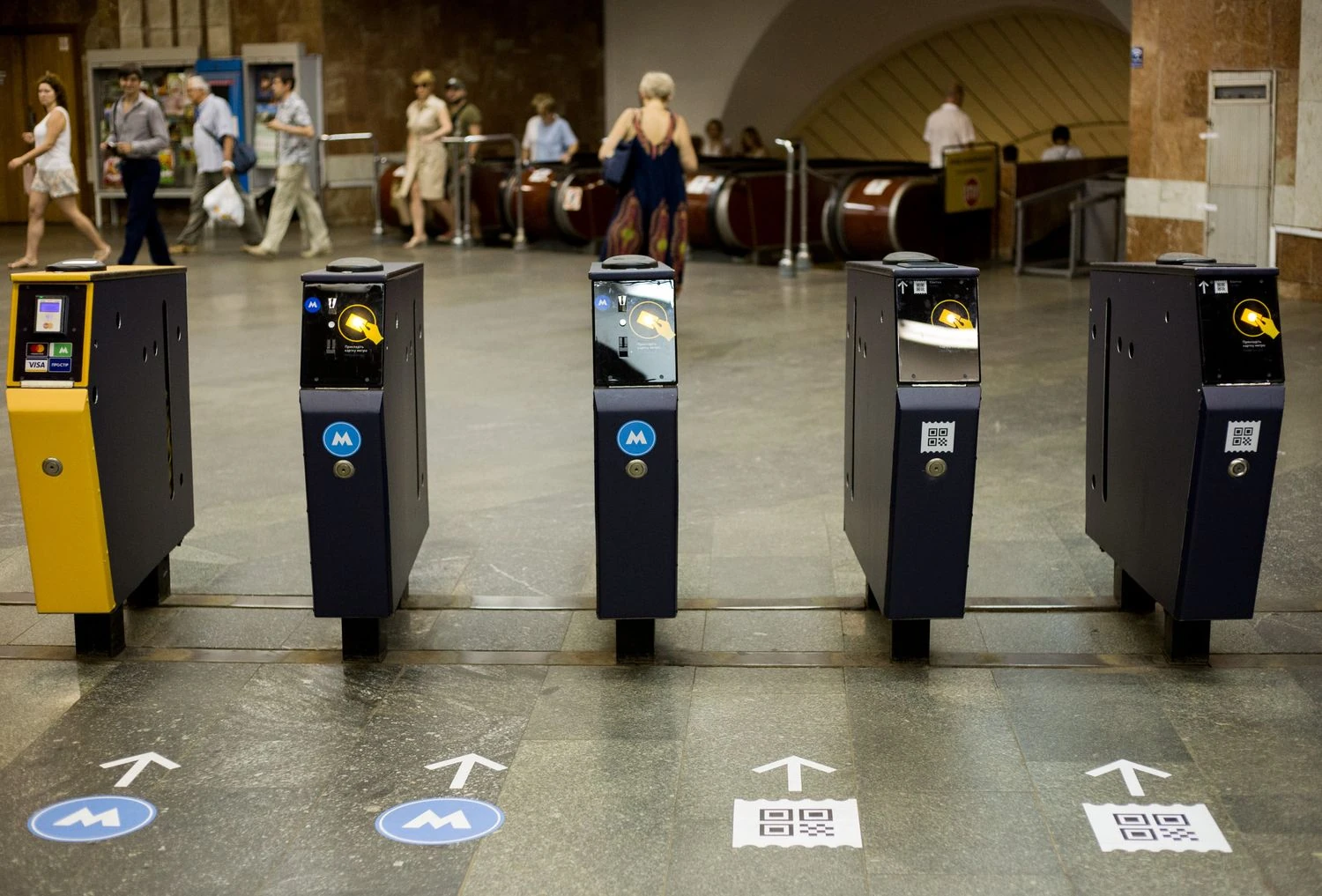
The Kyiv City State Administration reported that the operation of the red line of the metro has returned to normal. Trains are running along the entire section from the station "Akademmistechko" to "Lisova" with all stops, and headways are 5–6 minutes (source: KCSA, message via UNN).
"The operation of the red line of the metro has been restored to its normal mode. Trains are running along the entire section from 'Akademmistechko' station to 'Lisova' station with all stops. Headways have returned to the planned 5–6 minutes."
— Kyiv City State Administration (message via UNN)
What this means for Kyiv residents
First, the return to scheduled intervals restores everyday mobility: travel times are reduced, surface routes are relieved, and work schedules and businesses' logistics become more predictable.
Second, this is important for critical services — quick access to hospitals, enterprises, and utility service points increases the speed of response during emergencies.
Context: why the disruptions occurred
Earlier reports said that due to the consequences of Russia's attack on the energy infrastructure, only one train was operating between the stations "Livoberezhna" and "Arsenalna", with an approximate interval of about 20–25 minutes. The restoration of the schedule became possible thanks to stabilization of the power supply and the work of emergency crews (source: UNN, message from the KCSA).
Why this matters from an infrastructure standpoint
Restoring service is not just a return to usual operations. It is a test of the resilience of the transport and energy systems. Effective coordination between energy workers and city services shows that the system can withstand stress, but it requires investment in reserves and modernization.
Brief conclusion
The return of 5–6 minute intervals is a positive sign for the city: it provides convenience for people and confirms that services are functioning under pressure. However, the key question remains: is this enough for long-term stability? The next step is to strengthen the energy and transport infrastructure so that similar disruptions do not recur.