What opened
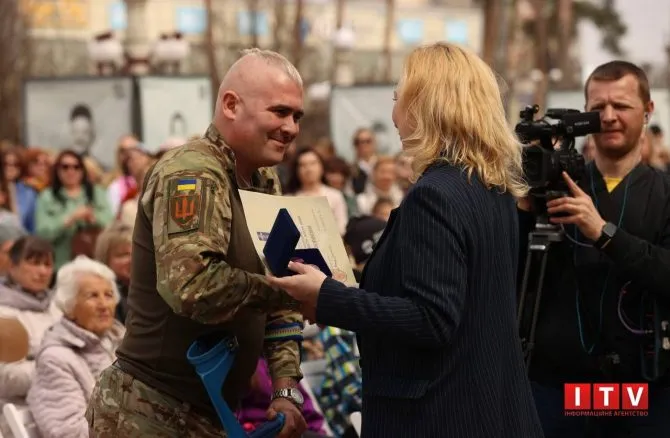
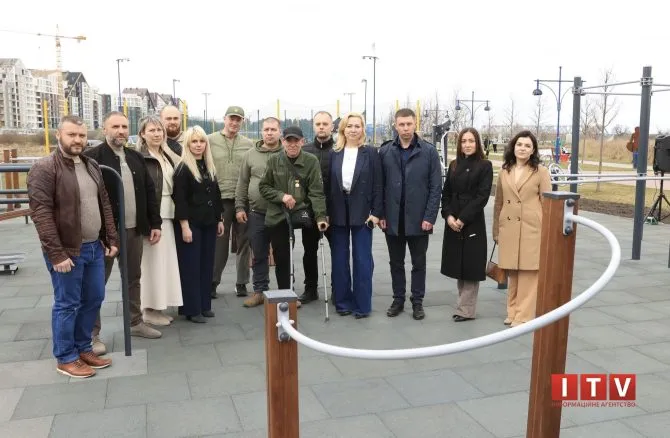
An inclusive sports playground has opened on the Irpin embankment, a project implemented by the Irpin City Council. The space has been arranged to be convenient, safe and accessible to a wide range of visitors — from children and parents with strollers to people with disabilities and veterans.
The site features a barrier-free entrance, and the surface is made of shock-absorbing rubber tiles. The playground is equipped with ramps and special exercise machines in line with modern inclusivity standards. In total, 11 types of inclusive sports equipment have been installed, enabling a combination of physical exercise and social rehabilitation.
“This playground is a response to the challenges our country faces today, and another step toward a city without barriers. Toward a city where everyone has the right to an active life, support and dignity”
— Oleksandr Pashchynskyi, first deputy mayor
Why it matters
These are not just new benches and exercise machines. In the context of reconstruction and social rehabilitation, such spaces serve several functions simultaneously: they promote physical recovery, reduce social isolation and enable communities to restore normal life. For families, it is a place for safe walks; for people with disabilities, a tangible infrastructural change; for the community, a sign that the city is investing in accessibility, not just symbolism.
The effectiveness of inclusive infrastructure projects depends not only on construction but also on ongoing maintenance, activity programs and the involvement of local initiatives. It is the combination of technical solutions and social programs that makes such playgrounds working tools of change.
What’s next
Irpin’s project is an example that can be scaled to other communities in the region. Now it is important to ensure regular technical maintenance, affordable activity programs and monitoring of use so that the investment serves people for a long time, not just for one season. For residents, it is a chance to use the space; for local authorities, an opportunity to show that urban recovery is not just about rebuilding facades but about changing everyday spaces.