Briefly
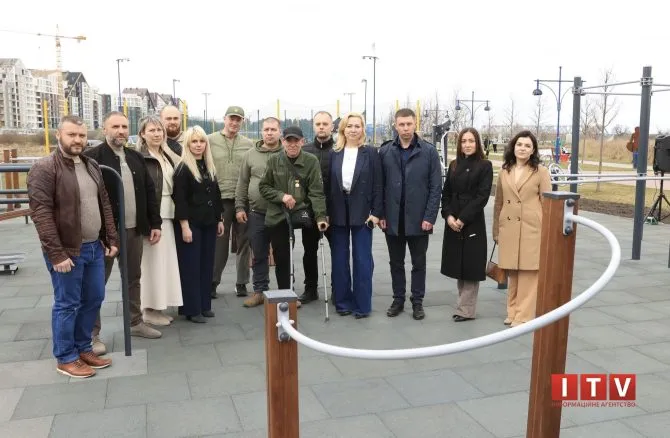
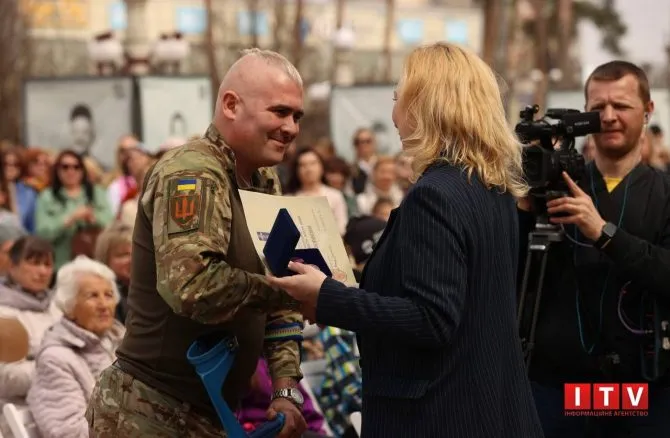
During a ceremony in Irpin marking the Day of the city's liberation, service members and volunteers were honored. Dmytro Hurskyi was awarded the Minister of Defense of Ukraine's decoration "For Wounds," and Roman Kovtunenko received the Commander-in-Chief of the AFU's decoration "For Indomitability."
Who and why
These decorations are a formal assessment of contribution: the first highlights sacrifice and physical loss, the second — resilience and moral endurance under the conditions of the full-scale invasion. The awards serve a dual function — to recognize individual merits and to confirm the role of institutions in supporting those who are on the front line and alongside it.
Volunteer front
Seventeen volunteers were honored with the medal "Honor. Glory. State" for their courage, heroism, and indomitable spirit during the full-scale invasion. This is not only a thank you — it is a message to society that civilian assistance is a critical component of defense capability and deserves systematic attention.
“Every medal is the story of a person who supported the country not with words, but with actions.”
— Ceremony organizers
Why this matters to the reader
Local-level awards perform several practical functions: they boost morale in the community, formalize gratitude to those who were wounded or worked in the rear, and create a precedent for further assistance — from rehabilitation of the wounded to support for volunteer initiatives.
Analytical summary: The ceremony in Irpin is more than a ritual of remembrance. It is a reminder of the link between the army, volunteers, and the local community. The next step is to turn these symbols into concrete support policies: medical rehabilitation, financial assistance, institutional support for volunteer networks. Without this, the risk that recognition will remain only symbolic rather than a resource for recovery remains real.