Position and essence
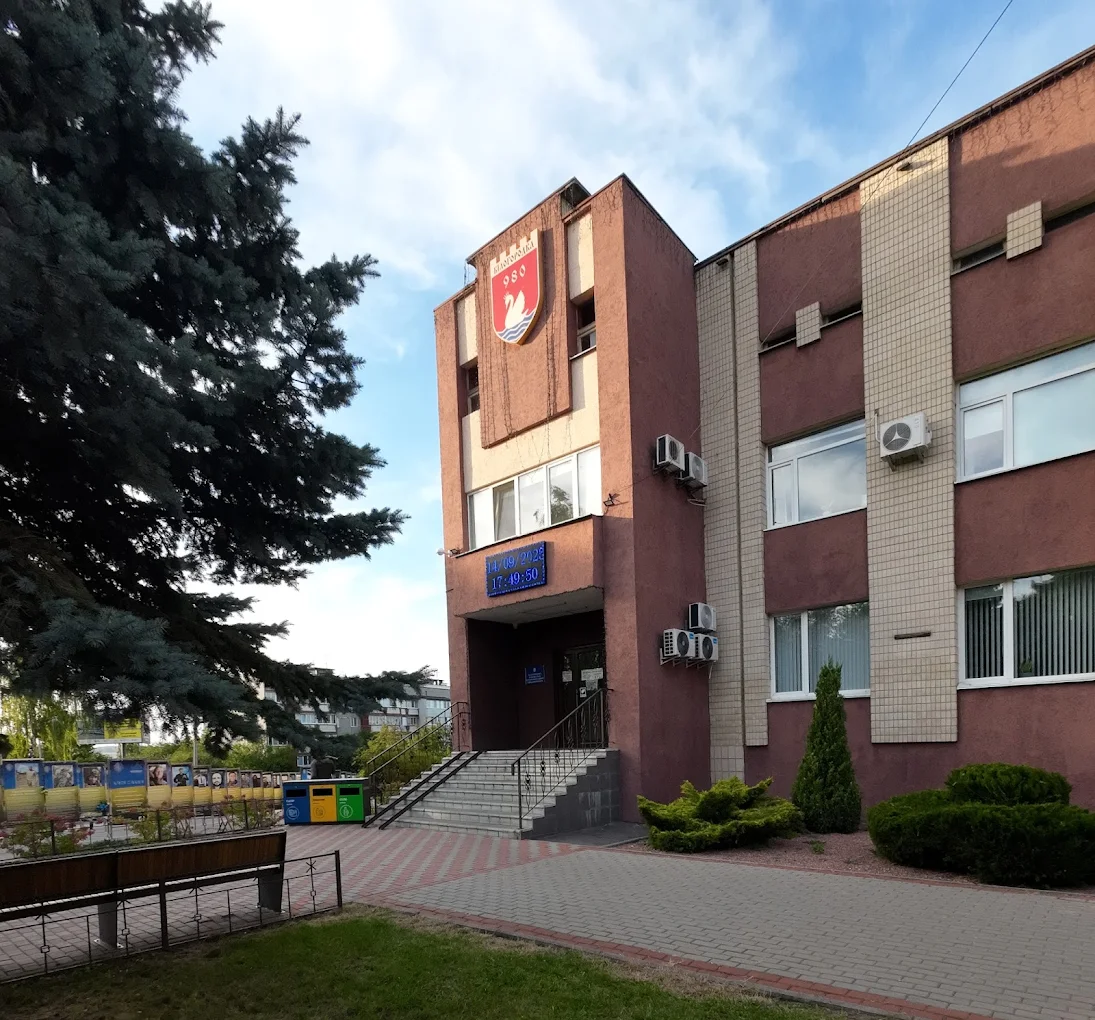
On March 15 it will be eight years since the signing of a cooperation agreement between Irpin and Milwaukee. In 2018 Milwaukee became Irpin’s first American sister city — not just a symbol, but a channel for long-term solidarity and exchange of expertise.
“Over these years our cities and communities have built strong ties, exchanged experience in urban development, and supported one another. It is especially valuable that the people of Milwaukee actively helped and continue to convey to Americans the truth about the war in Ukraine. A vivid example is last year’s art exhibition by the ‘Milwaukee Independent’ team, created on the basis of documentary photographs from Irpin and Bucha from 2022. And the flag of Irpin alongside the Ukrainian flag often flies at official events in Milwaukee City Hall as a symbol of solidarity with Ukraine.”
— Angela Makeieva, acting mayor of Irpin
In addition to cultural initiatives, communications between Irpin and Milwaukee Mayor Cavalier Johnson and his team have recently intensified. Plans include cultural exchanges and practical projects to modernize water supply and water treatment.
Why this matters
First, city partnerships operate on two levels: they build international support within local communities and provide technical assistance from municipal practitioners. Second, cultural projects, like the Milwaukee Independent exhibition, create long-term empathy and help cement the facts in the minds of Western audiences — this is an important resource in the media space.
Third, exchanging experience in the field of water supply is not an abstract matter. For Irpin, it means concrete solutions: modernizing networks, training engineers, and treatment standards that can be adapted quickly and at lower cost than full repairs after destruction.
What’s next
The partnership has moved from the stage of symbols into a phase of practical steps. It is now important that agreements turn into concrete projects: exhibitions with educational components, exchange programs for water utility specialists, and joint grant applications. For residents this means not only moral support but also potential improvements in infrastructure and services.
The effect of such partnerships is often cumulative: cultural solidarity amplifies political and financial support, and technical solutions increase a city’s resilience. Therefore, eight years is not just an anniversary but a window of opportunity that should be used practically and promptly.