What happened and where this meeting came from
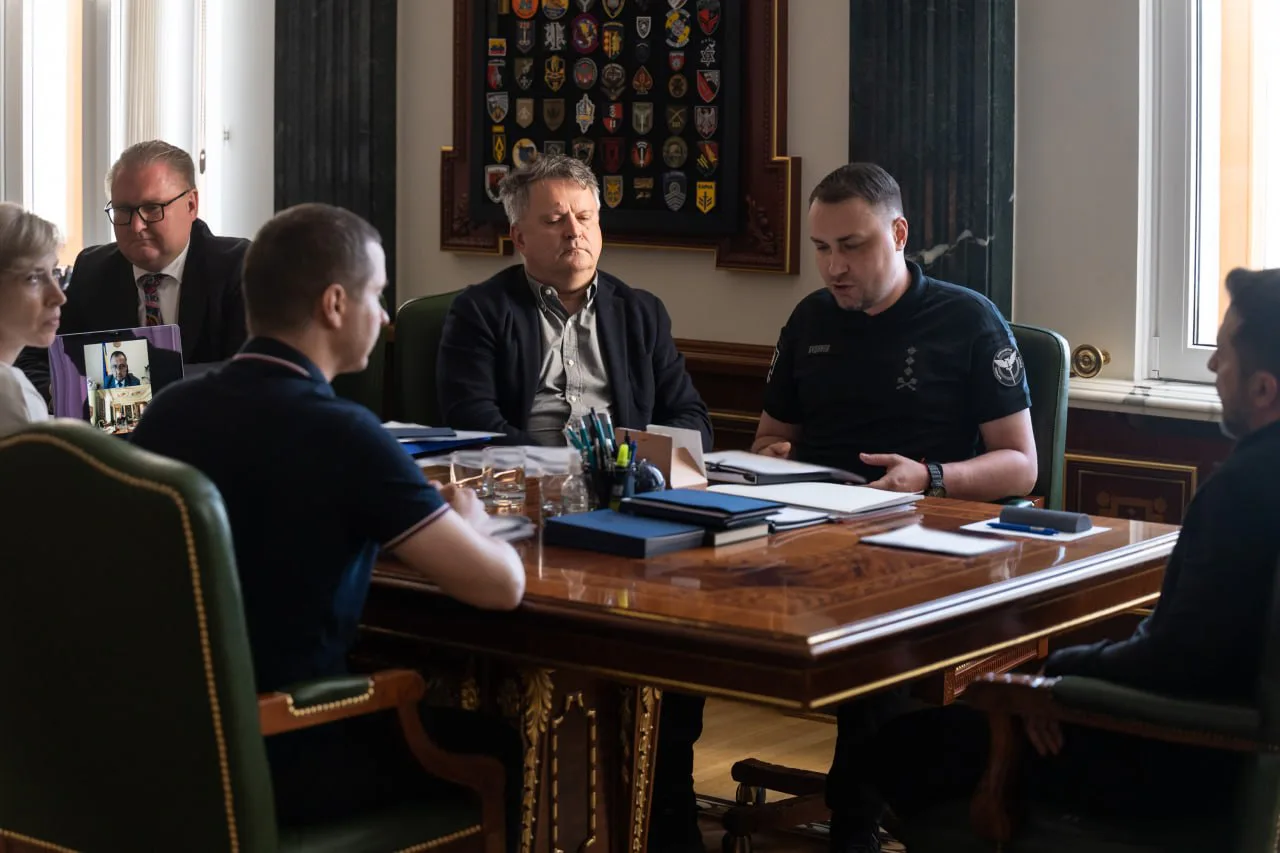
On July 17, President Volodymyr Zelensky held a meeting "on the Polish direction" and announced a series of concrete steps. Among them — declassification of all archives of the Security Service of Ukraine and the Foreign Intelligence Service regarding tragic events of the twentieth century in Volyn, as well as expansion of permits for search excavation work. The fact that the decision was made now is no coincidence: it is a direct response to the sharpest diplomatic breakdown between Kyiv and Warsaw in recent years.
How relations reached mutual decorations and offense
The crisis began in late May when Zelensky awarded an elite SSO unit the honorary name "Heroes of the UPA." Polish President Karol Nawrocki responded by stripping Zelensky of Poland's highest award — the Order of the White Eagle, which had been presented in 2023. Kyiv responded harshly: Zelensky compared Nawrocki to Viktor Orbán, and Budanov, Kuchma, Yushchenko, and Poroshenko publicly renounced their Polish decorations.
"The feelings of Polish women and men regarding the crimes, the Volyn tragedy and genocide are not a subject of negotiation"
Karol Nawrocki, after meeting with Zelensky at the NATO summit in Ankara, July 8
On the sidelines of the NATO summit in Ankara on July 8, the leaders talked for over an hour, but Nawrocki openly admitted: "We were unable to resolve historical issues at this meeting." Excavations and archives — this is what remained after the symbolic level proved to be a dead end.
Why archives specifically — and what this means in practice
Access to special services documents is a long-standing Polish demand. In 2015, part of Soviet archives were declassified, but a significant collection of SBU and Foreign Intelligence Service materials concerning 1943–1945 in Volyn remained closed. The Polish side has insisted for years: without a complete picture of events — the number of victims, command chains, maps of operations — any "reconciliation" remains merely a declaration. Official Warsaw speaks of 100,000 dead Poles, while most historians, including Polish ones, cite figures between 50,000 and 70,000; the number of killed Ukrainians is estimated at between five and over 20,000.
However, Zelensky announced the decision without specifying timelines and without a verification mechanism from the Polish side — merely as an intention fixed in Telegram.
Stakes higher than symbolism
Polish politicians of various stripes have made it clear that they will not support Ukraine's accession to the EU without resolving the Volyn issue. Nawrocki said the same about NATO during his presidential campaign. This turns the dispute over 1943 events into a real lever in the matter of European integration — and that is precisely why Kyiv is moving forward without waiting for the war to end.
- Declassification of SBU and Foreign Intelligence Service archives on Volyn
- Expansion of permits for search excavation work
- Preparation of systematic proposals on the Polish direction (assigned to Sybiga)
Foreign Minister Andrii Sybiha confirmed in the corridors of the NATO summit: Ukraine remains open to the diplomatic track despite the crisis.
What's next
If Poland receives the archives and they confirm the scale that Warsaw already declares — the question of Ukraine's recognition of "genocide" will become even more acute. If the documents show a more complex picture of mutual casualties — it will be harder for Nawrocki to maintain the current uncompromising position. The key condition for progress is simple: is Poland ready to begin symmetric excavations of Ukrainian victims of the Polish Home Army — without this, any archives risk becoming a one-sided gesture rather than a basis for dialogue.