Briefly
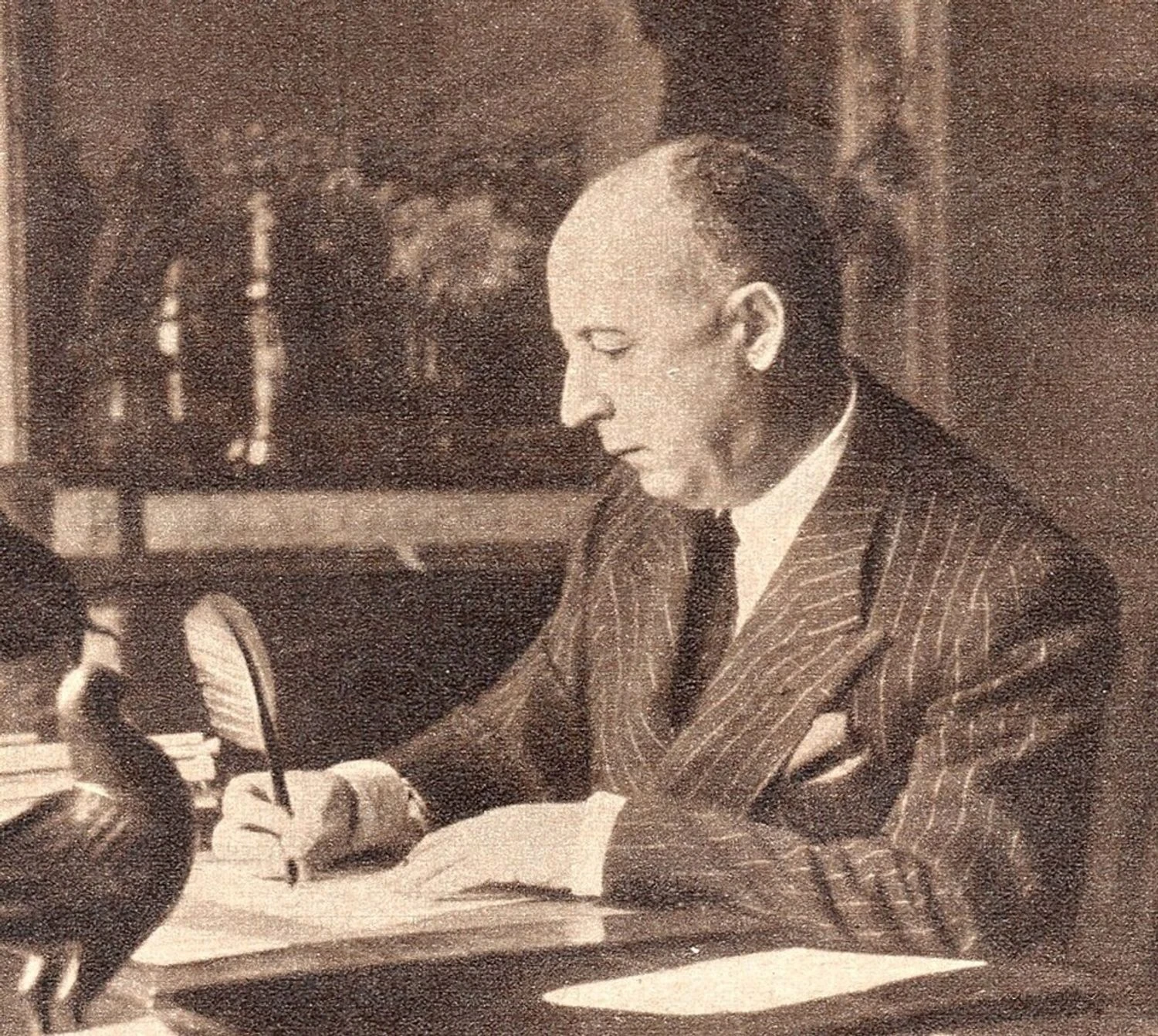
January 21 marks the 121st anniversary of Christian Dior’s birth. Although he lived only 52 years, his influence on the fashion industry remains measurable: three key collections — New Look (1947), H‑Line (1954) and Trapeze Line (1957) — changed proportions, approaches to tailoring and ideas of femininity. For contemporary Ukraine their story is not just a retrospective, but an example of how the art of dress works to restore national image and international reputation.
New Look (1947): return of form after the war
After wartime shortages, Dior offered full skirts, a narrow waist and rounded shoulders. This collection literally reoriented Parisian fashion — it restored the idea of luxury and the female form, which many had considered lost after years of wartime restrictions. The New Look became a reference point for couture silhouettes in the decades that followed.
H‑Line (1954): restraint as the new elegance
The H‑Line showed that femininity can be refined without excess: a straight, pared‑back silhouette moved away from the opulence of the New Look and paved the way for a minimalism that would influence fashion over the medium term. It is an example of the evolution of a designer’s language — from theatrical luxury to austere geometry.
Trapeze Line (1957): freedom of movement and a new generation
The Trapeze Line is a special chapter in Dior’s history not only because of its shape but also because of the involvement of the young Yves Saint‑Laurent, then his assistant. Lightness and generous cuts gave dresses freedom of movement and anticipated the aesthetics of the 1960s: a new generation of designers used this approach to abandon rigid silhouette canons.
“The New Look restored the female silhouette after the war and created new rules of elegance that still resonate today”
— fashion historians, Musée Christian Dior archives
What this means for Ukraine
Dior’s lessons are about how form shapes narrative. After a country’s destruction and challenges, design can become an element of reconstruction and cultural export: a clear silhouette, attention to tailoring and craftsmanship — these are what make brands recognizable on the world stage. Contemporary Ukrainian couturiers take from this recipe not so much style per se as the principle — transforming historical experience into a contemporary aesthetic.
Conclusion
Dior left behind not just hit collections but a model of how fashion can reflect social change. For Ukraine, it is important not only to borrow forms but to be able to turn them into a strong cultural signal: from recovery to international recognition — through the art of tailoring and consistent professional work.







