In great diplomacy, quiet signals matter more than loud statements
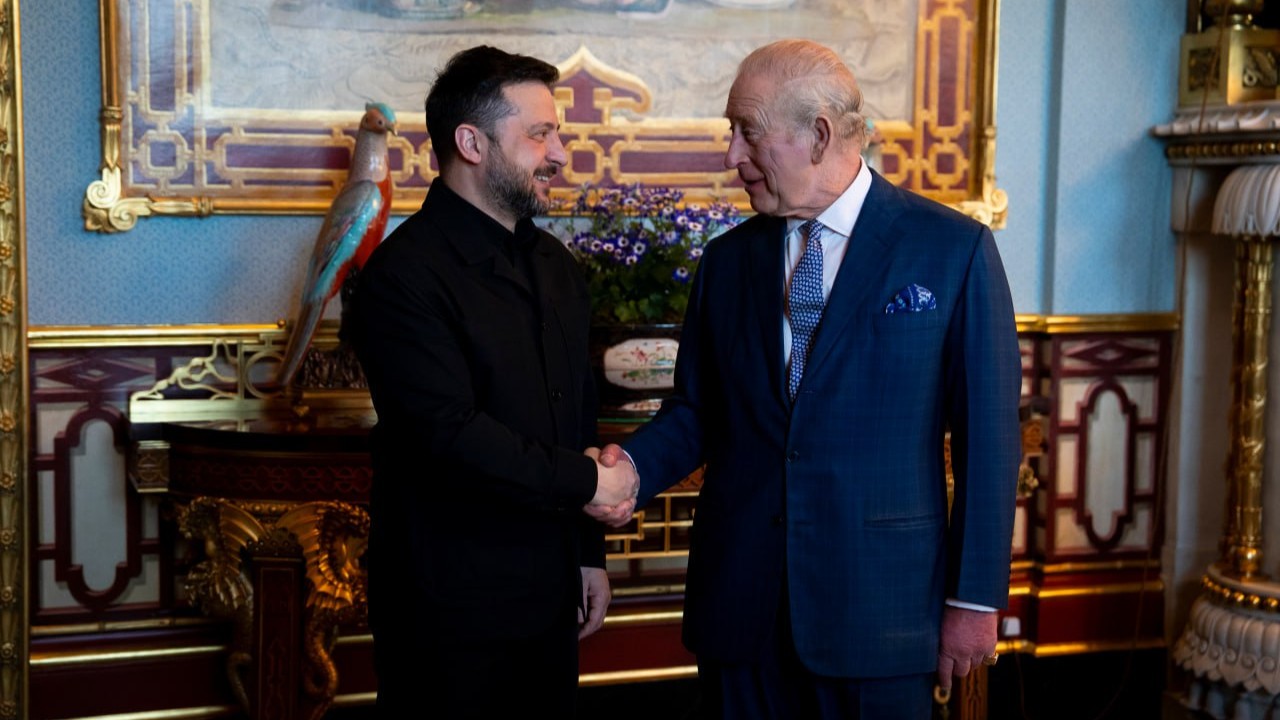
During his address to the British Parliament, Volodymyr Zelenskyy said that Ukraine's leadership uses iPads with software that displays the frontline situation in real time, and that he gave one of those tablets to King Charles III. This is not mere etiquette — it is a gesture that combines technology, security and diplomacy.
"It allows us to see the situation at the front in Ukraine and even every enemy killed with video evidence"
— Volodymyr Zelenskyy, President of Ukraine
What software is this and why we don't have loud names
The president did not name a specific program. In open sources, the Ukrainian armed forces use a situational-awareness system called Delta, which collects intelligence data and analyzes it using artificial intelligence in real time. As expert Valentin Badrak explained in a piece for LIGA.net, such systems combine data from drones, radars, observations and allow rapid decision-making — but public disclosure of specific names and capabilities is often restricted for operational security.
Why this matters for Ukraine and its partners
Real-time situational awareness is not a technological display but a risk-management tool: from early detection of missile strikes to monitoring the aftermath of attacks on infrastructure. Zelenskyy also cited quantitative estimates: according to him, drones now account for about 90% of enemy losses, and the interception rate stands at about 87% — figures that could be improved with additional investments in air‑defense means, notably missiles for Patriot systems.
A diplomatic symbol and practical effect
The gift to the king is a signal: Ukraine demonstrates technological transparency and invites partners to cooperate, while emphasizing its role in shaping security standards. Such exchanges of tools improve trust between leaders and can speed up coordination on supplying arms, intelligence and training.
"It gives us real‑time control over the safety of people, our infrastructure and the energy sector"
— Volodymyr Zelenskyy, President of Ukraine
What comes next: technology without resources is a half task
Technology provides information; decisions and resources provide protection. Against the backdrop of claims about high interception effectiveness, the president clearly identified two weak points: a lack of investment in the defense industry and a shortage of missiles for air‑defense systems. Analysts and the expert community note that without additional resources, even the best situational awareness cannot replace the physical capabilities needed to protect the skies and critical infrastructure.
Now the move is up to partners: technological transparency and diplomatic gestures must be converted into concrete deliveries and long‑term support that will strengthen not only the military's capabilities but also citizens' trust in security measures.





