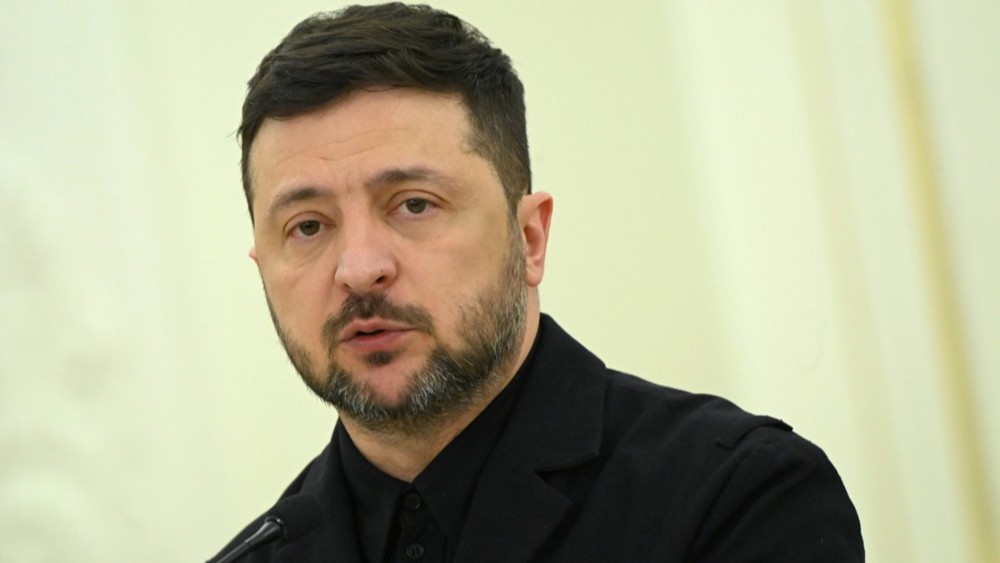
What Zelensky announced
During a speech in the British Parliament, President Volodymyr Zelensky said that there are currently 201 Ukrainian specialists in the Middle East, with another 34 in reserve. According to him, teams are already operating in the United Arab Emirates, Qatar, Saudi Arabia and are heading to Kuwait — this information was also reported by LIGA.net. Separately, Zelensky signed a declaration with British Prime Minister Keir Starmer on deepening cooperation in the field of security and the defense industry.
"These are military experts... who know how to defend themselves, how to help against Shahed drones"
— Volodymyr Zelensky, President of Ukraine
Why this matters
This statement has several layers of meaning. First, it confirms that Ukrainian technologies and personnel are in demand not only as assistance to Kyiv but also as a security export product. Second, the presence of specialists in the region gives Ukraine an additional lever in negotiations over heavy weaponry — the president himself directly linked support in the region to the demand to obtain missiles for Patriot systems.
Third, the escalation of tensions between Iran, the US and Israel increases demand for solutions to counter the "Shahed" drones; leading international outlets such as the Financial Times and the Wall Street Journal have already noted the issue, drawing attention to the threat drones pose to military bases in the region.
"We are cooperating with several other countries. Agreements have already been concluded. We do not want this terror by the Iranian regime against its neighbors to succeed"
— Volodymyr Zelensky, President of Ukraine
Consequences and risks
For Ukraine, these are potential economic and political dividends: contracts, recognition of competencies, and an increase in geopolitical weight. However, the risks are real — from a deterioration of the security situation in the region to political complications in partner countries, where debates are taking place about the level of intervention and support. Some American politicians have previously expressed skepticism about the need for external assistance to intercept "Shaheds", so turning expert presence into lasting agreements will require diplomatic work.
What's next
The statement about 201 specialists is a signal that Ukrainian defense expertise is reaching a global level. The next step is whether partners can turn declarations and temporary missions into signed contracts and long-term cooperation. This question applies not only to Kyiv but also to the capitals that receive the services of our specialists.





