What happened
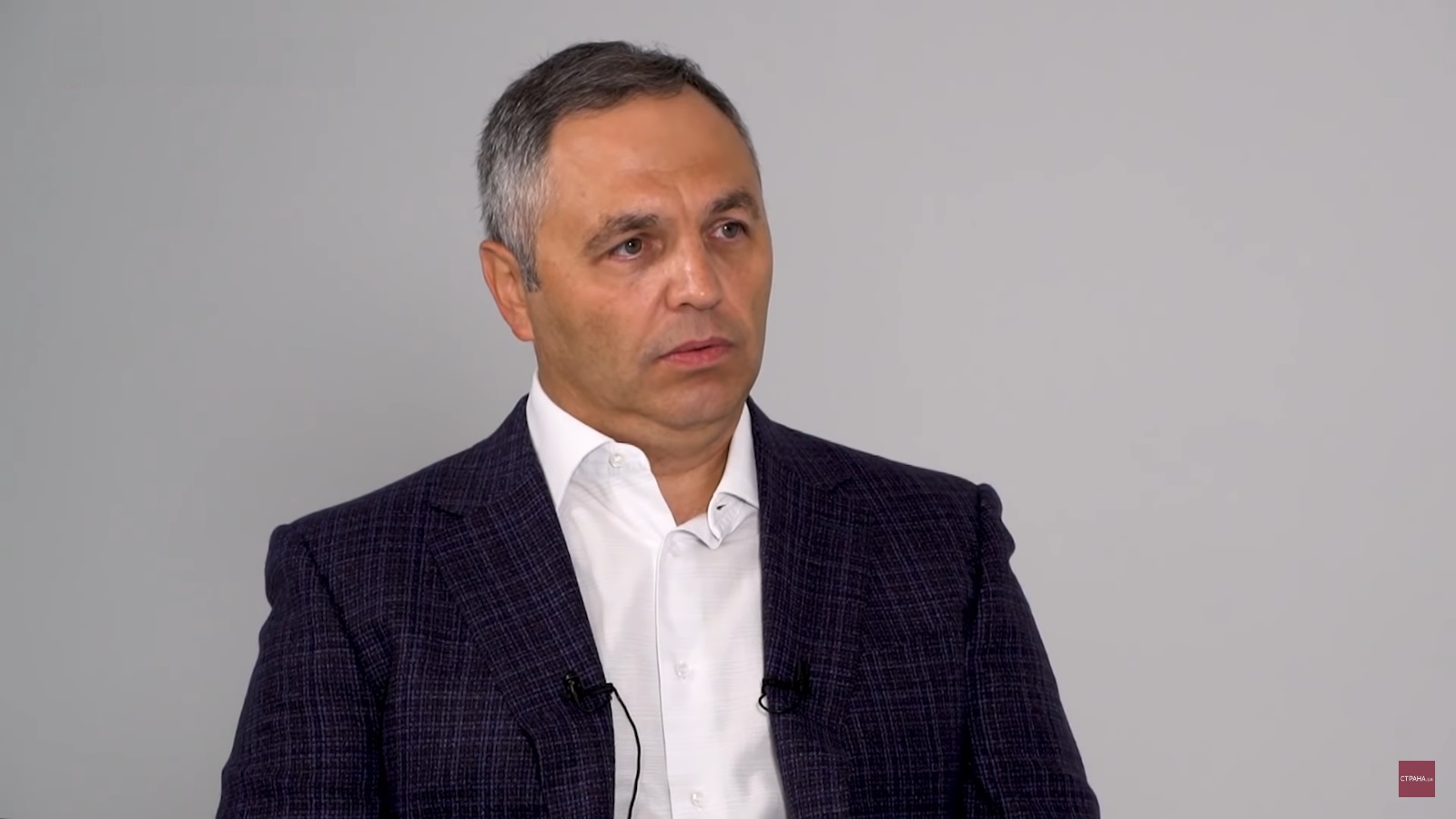
Ukraine's Prosecutor General Ruslan Kravchenko, after talks with his Spanish counterpart Teresa Peramato, said that Kyiv has secured the creation of a joint international investigative team (Joint Investigation Team, JIT) in the case of the killing of Andrii Portnov. Portnov was shot dead on May 21, 2025, near Madrid — the incident occurred while he was taking children to school.
Ukraine's position and the JIT mechanics
The JIT format means not merely declarative participation but an exchange of evidence, joint witness interviews and coordination of procedural steps between prosecutors from multiple countries. According to Kravchenko, it is important for Ukraine “to establish all the circumstances of the incident: from the perpetrators and organizers to the broader context of this crime” — this includes legal and operational aspects that go beyond a single criminal proceeding.
“We succeeded in convincing our colleagues of the necessity to create a joint international investigative team and to confirm Ukraine's strategic role as a partner in this investigation.”
— Ruslan Kravchenko, Prosecutor General of Ukraine
Key facts
Briefly, what is already known and why it matters:
• The killing: Portnov was shot dead on May 21, 2025, in an upscale suburb of Madrid.
• Secrecy: the EFE agency reported that the Spanish investigation was classified at its initial stage.
• Arrest of a suspect: on February 25 one of the persons of interest was detained in Germany; the German prosecutor's office is considering an extradition request.
• Suspects and origin: according to Ukrainska Pravda, the Azizov brothers, natives of Donetsk region, appear on the list of persons of interest. Radio Free Europe/Radio Liberty notes that one of the detainees holds Russian citizenship, while the other is suspected of having invalid documents.
What this means in practice
A JIT can speed up the process of gathering evidence and make the use of that evidence in court more consistent across jurisdictions. For Ukraine this is also an important politico-legal signal: a case linked to an influential pro‑Russian figure on international soil is being handled with Kyiv's involvement, rather than treated solely as a foreign domestic incident.
Possible consequences
Analysts point out that creating a JIT increases the likelihood of a successful extradition and proving the organizers' involvement, provided evidence can be documented promptly and correctly. It also sends a message: Ukrainian law enforcement can convert diplomatic pressure into procedural instruments necessary to achieve justice.
The next steps lie with European partners: in the coming weeks one should expect agreement on the JIT's composition, requests for the transfer of materials, and decisions on extradition from Germany. At the same time, the case continues to be covered by EFE, LIGA.net, Ukrainska Pravda and Radio Free Europe/Radio Liberty, which adds public oversight and raises demands for transparency in the process.
Summary: this is not just a criminal case — it is a test of Ukraine's ability to act as a full-fledged partner in international justice. How thoroughly and quickly the JIT works will determine not only the outcome of this particular investigation but also set a precedent for cooperation in cases that cross borders and affect our country's security interests.





