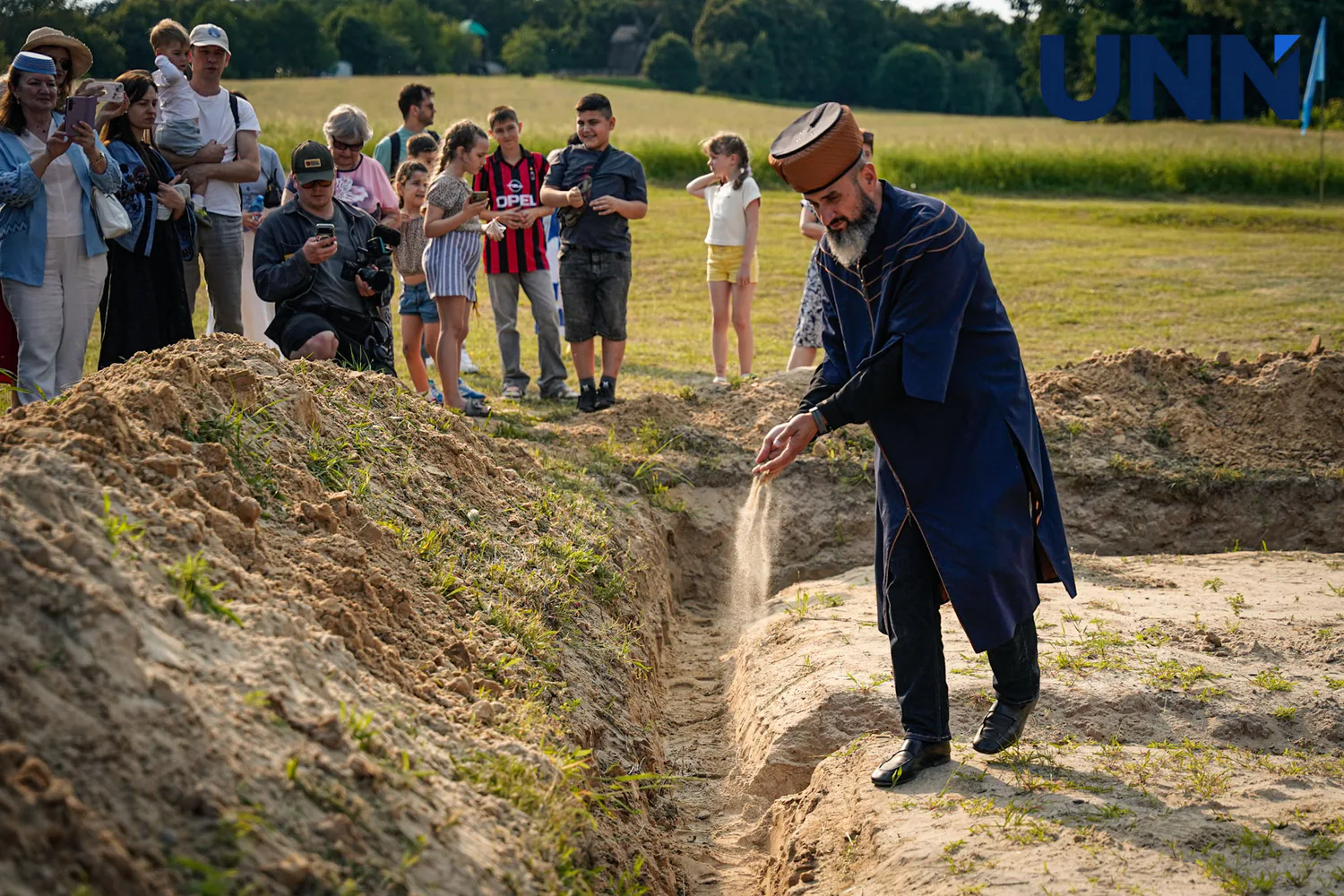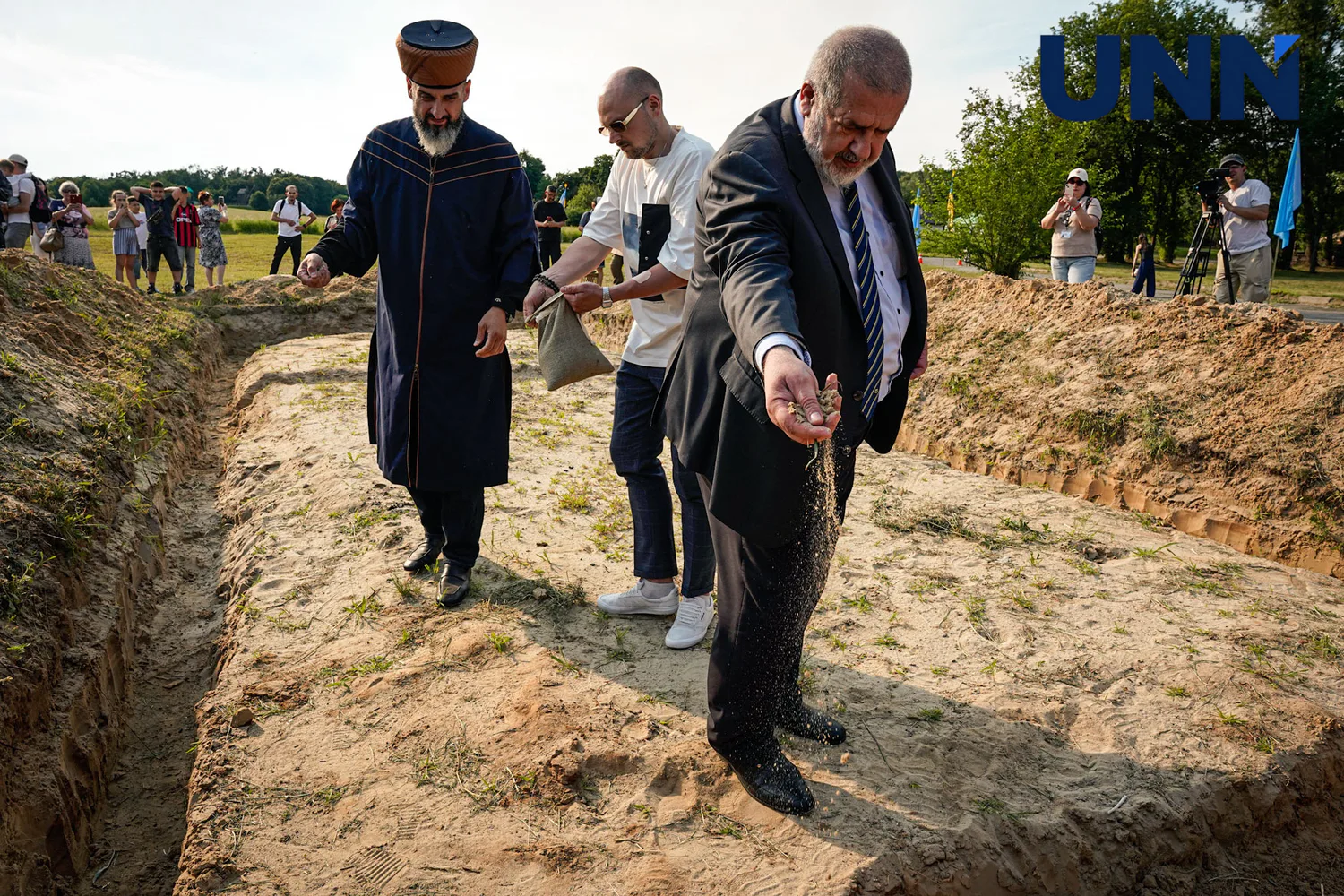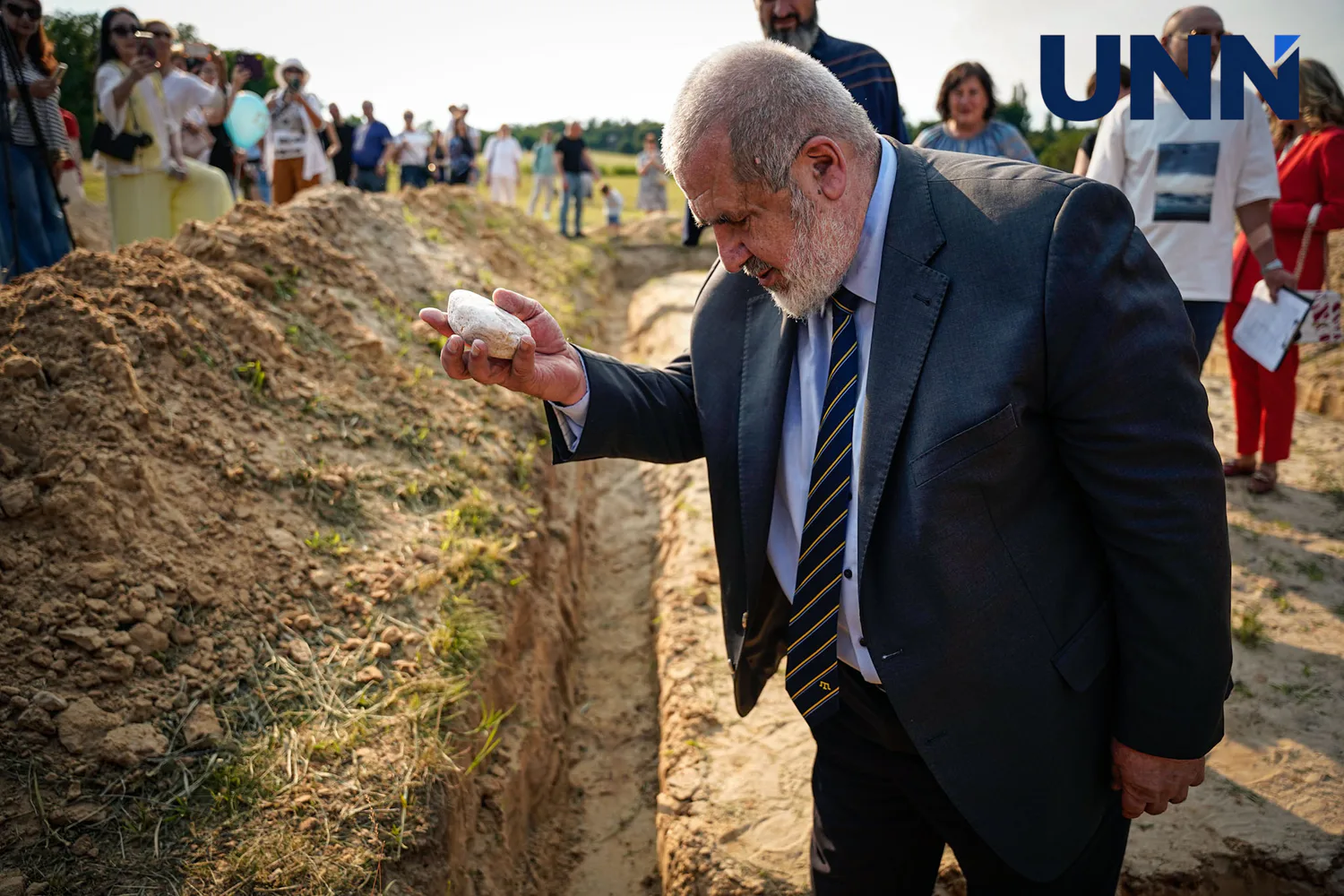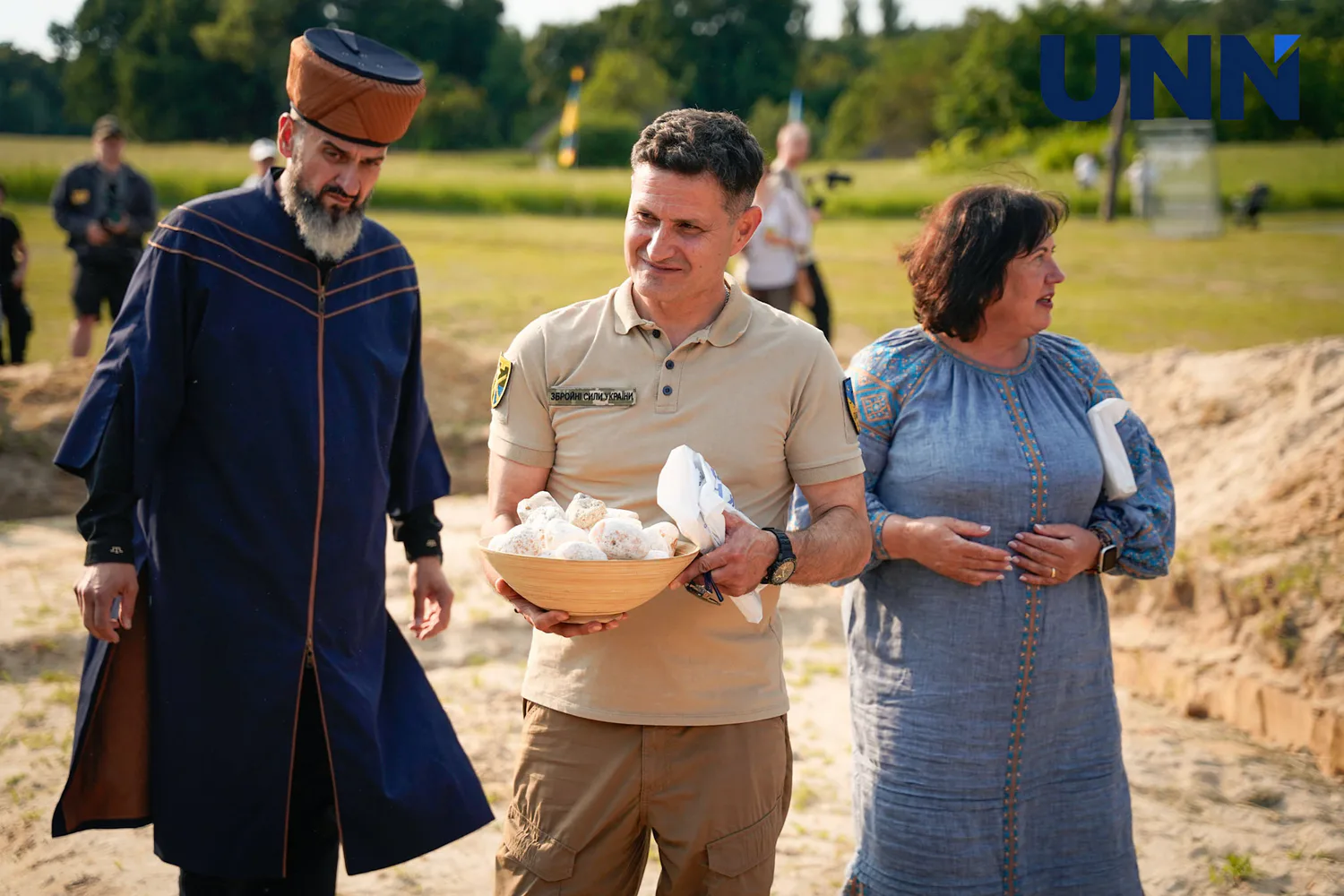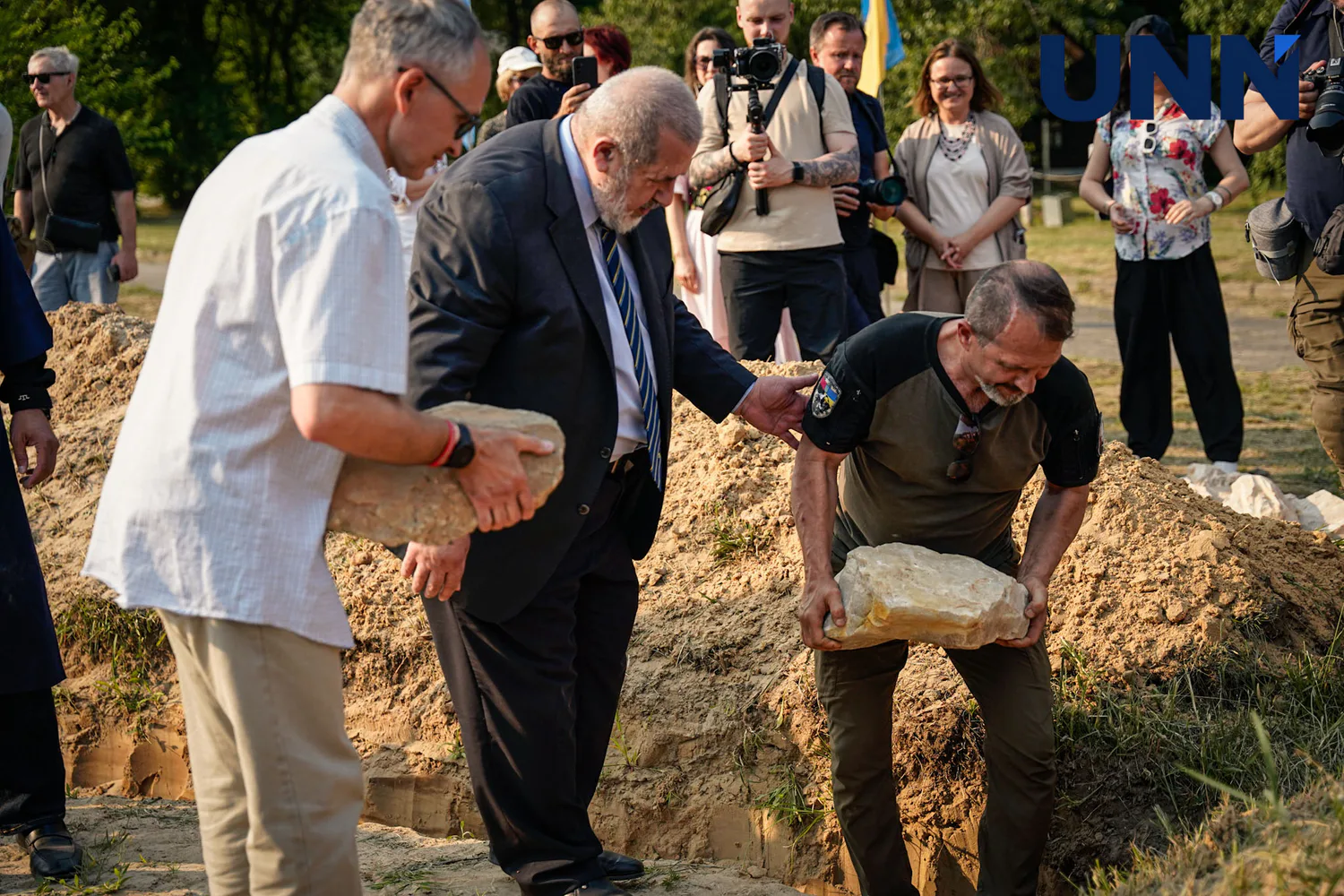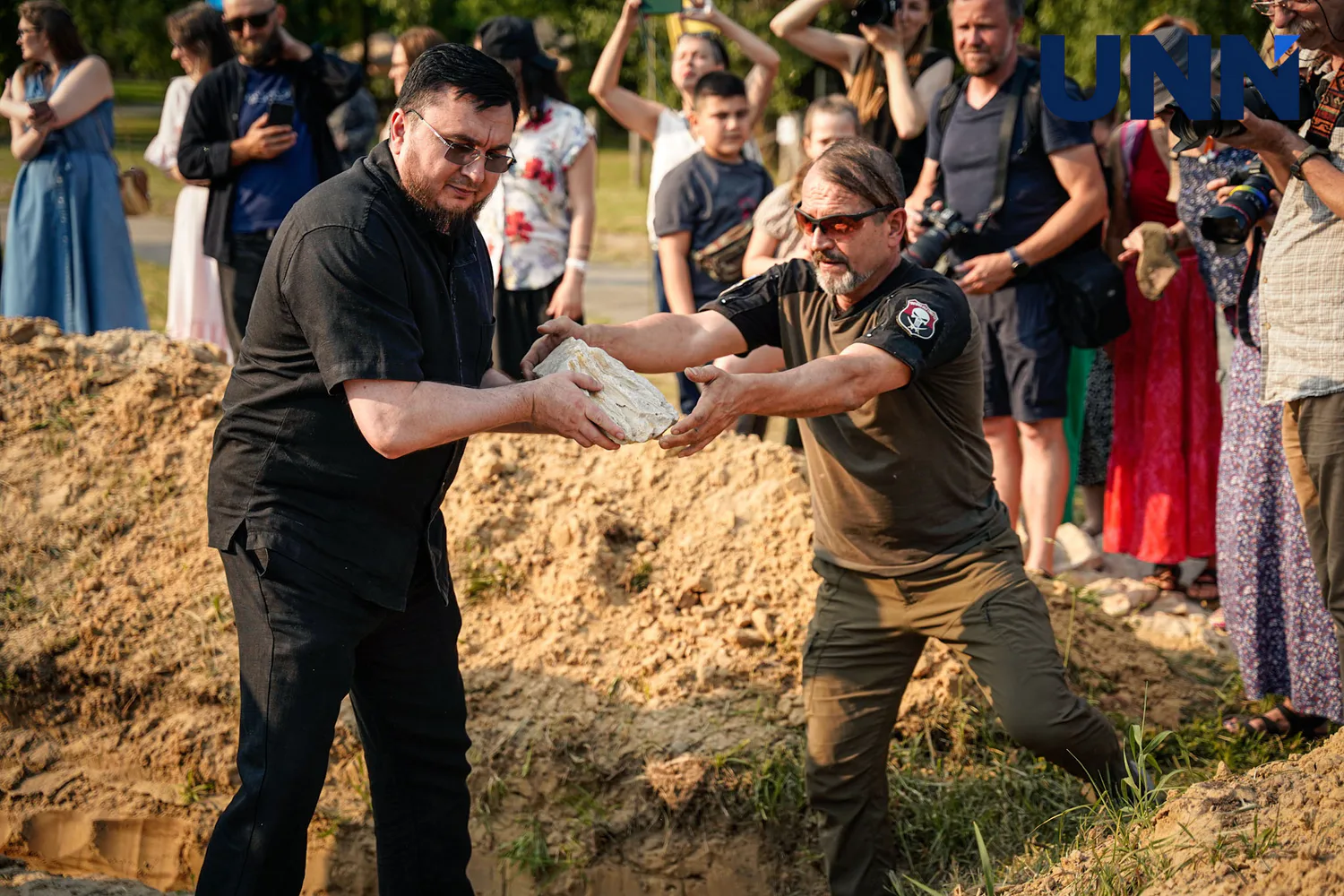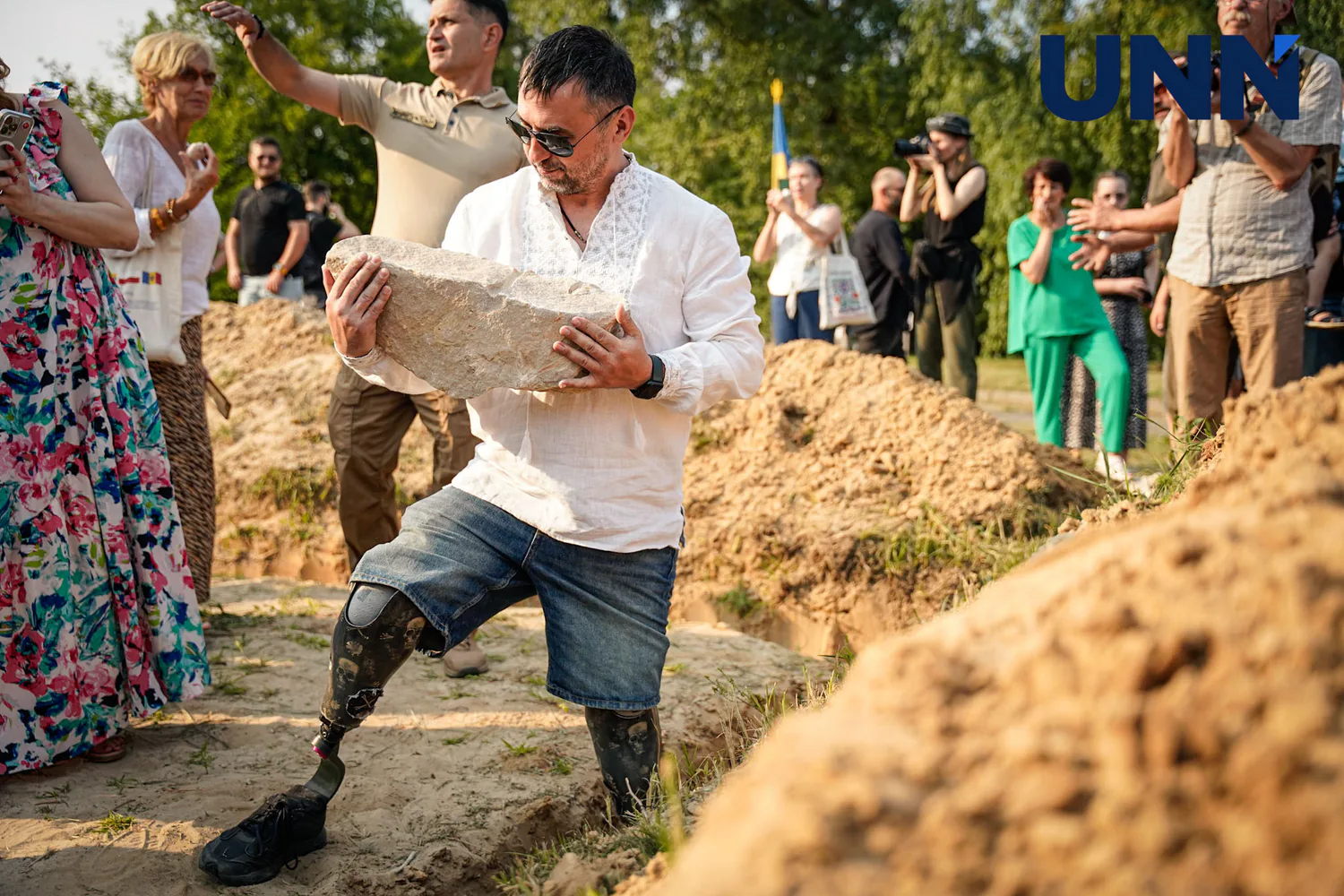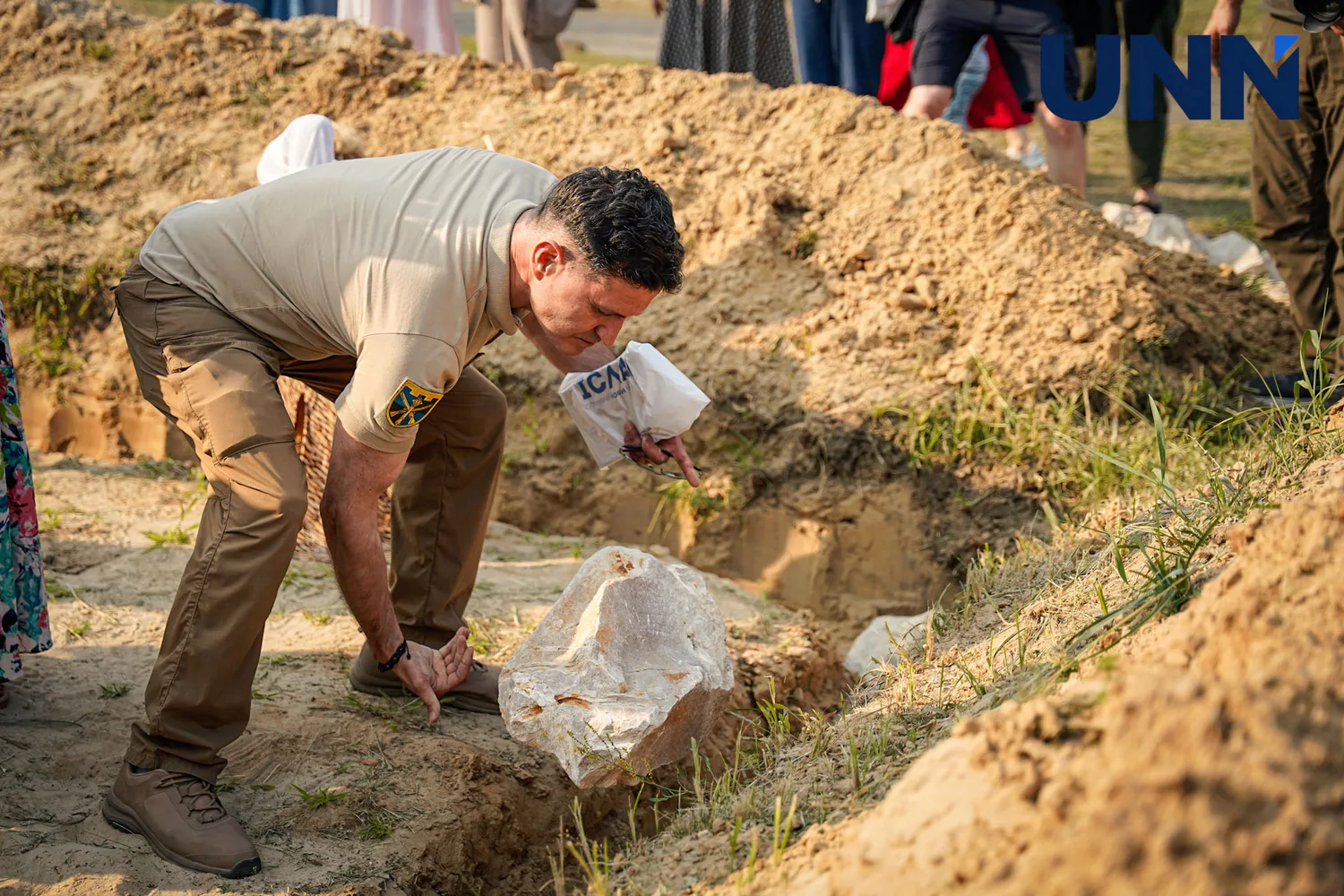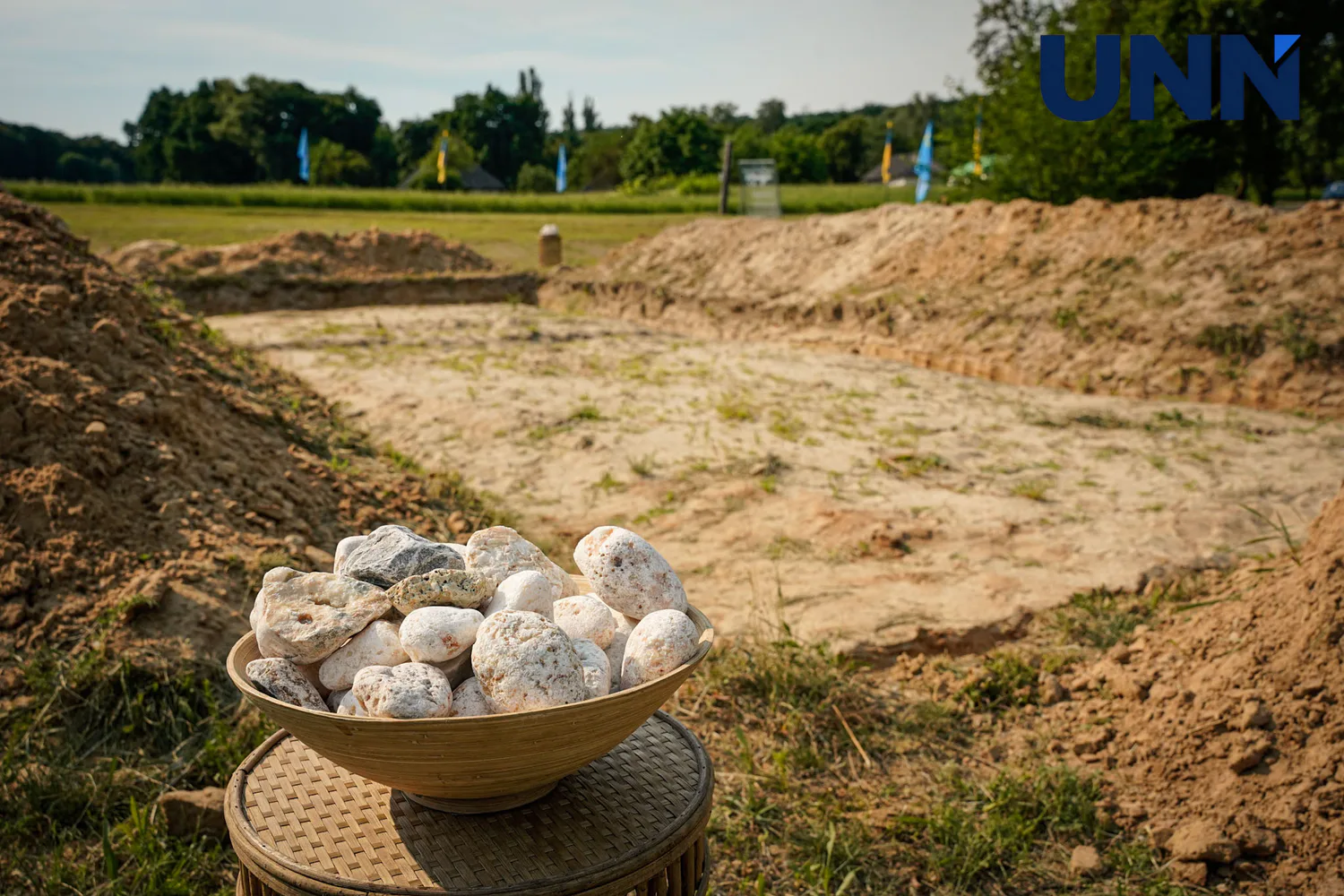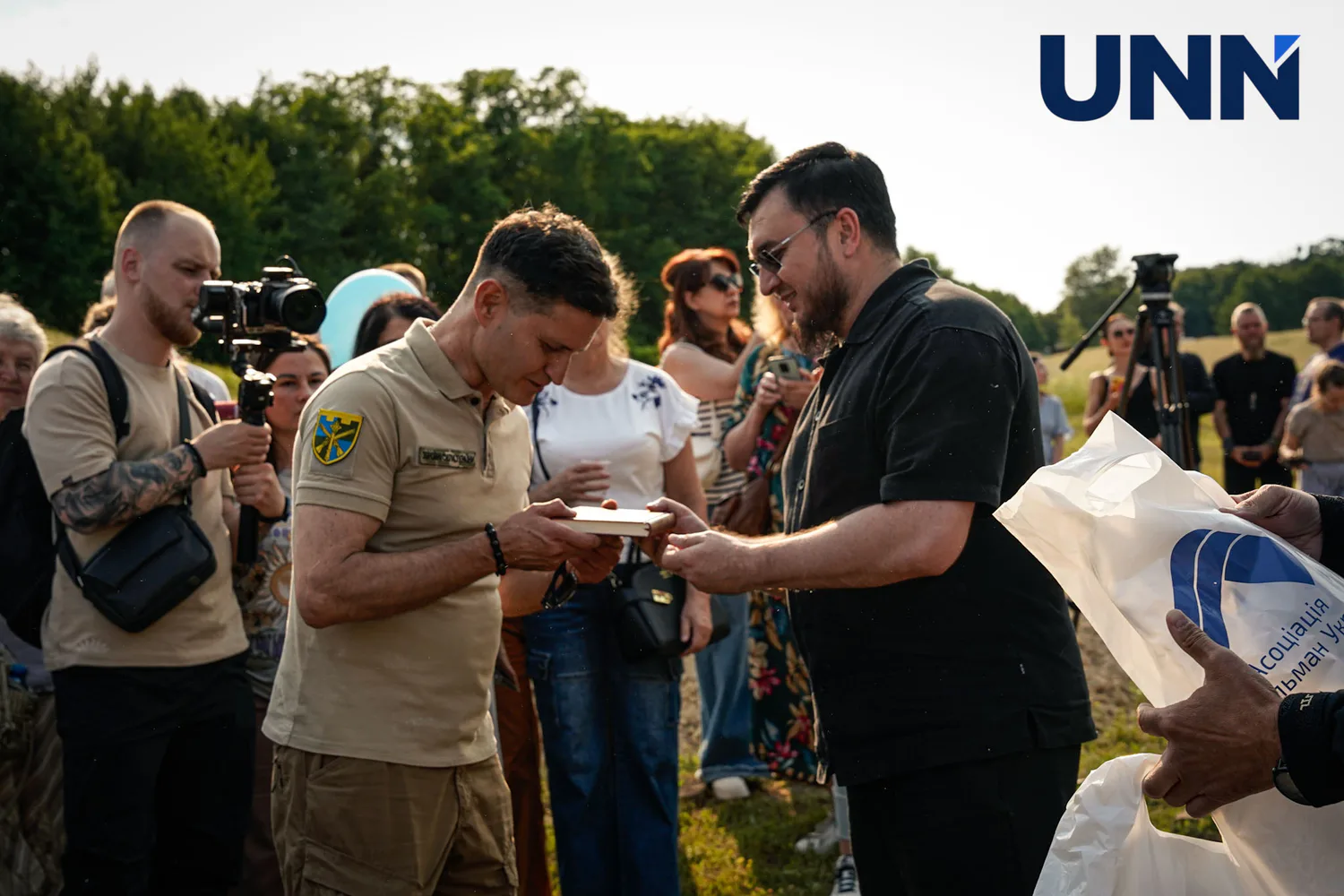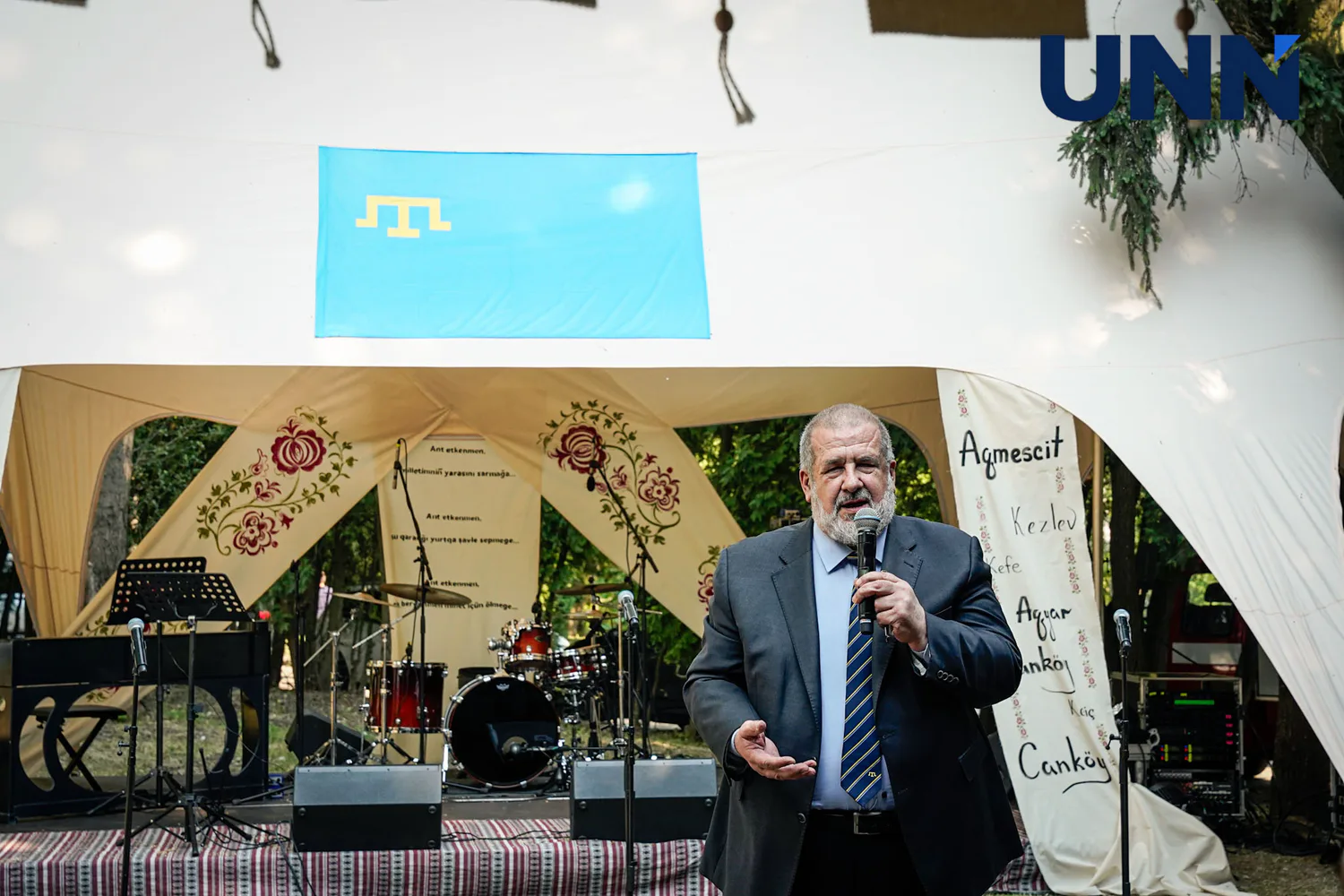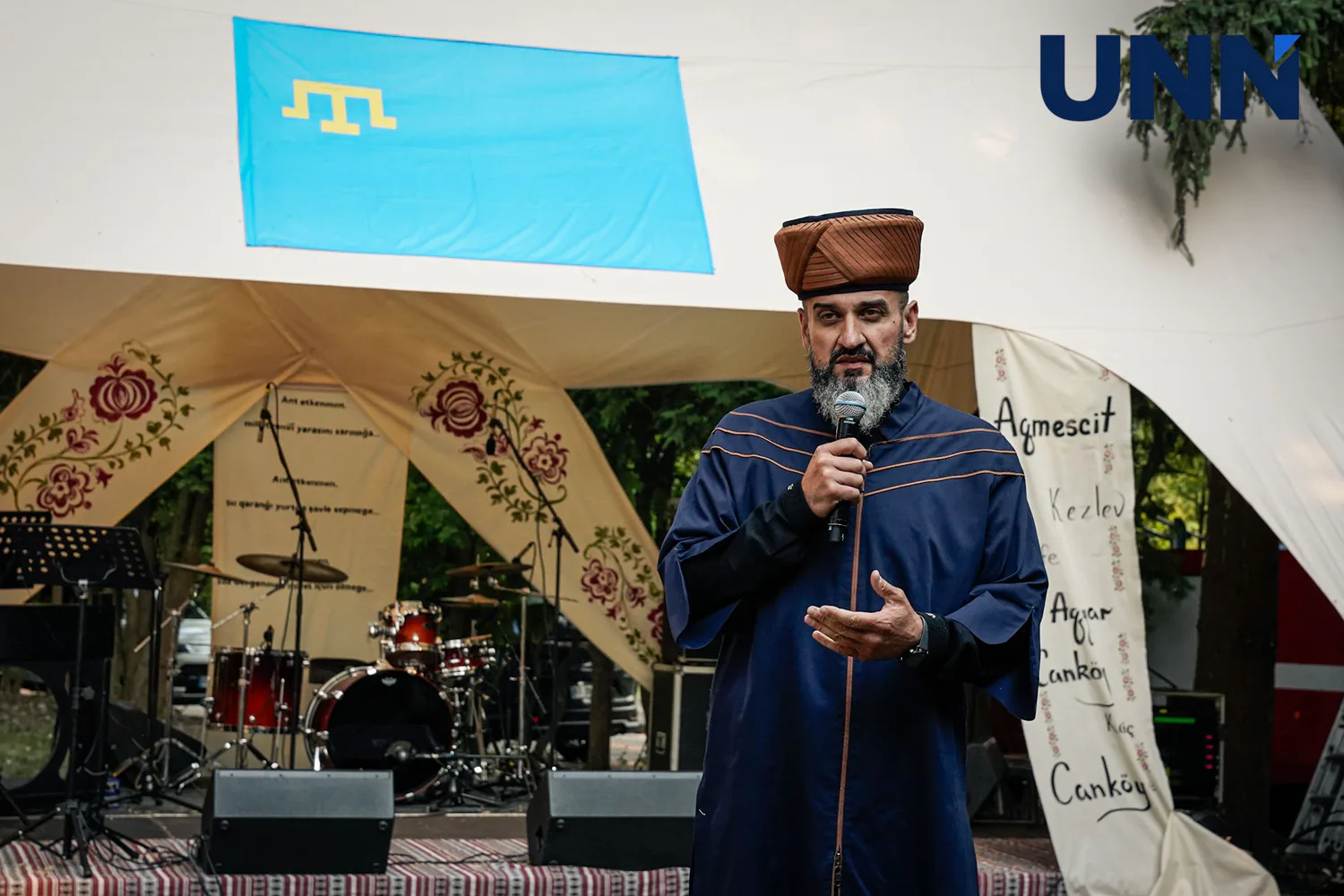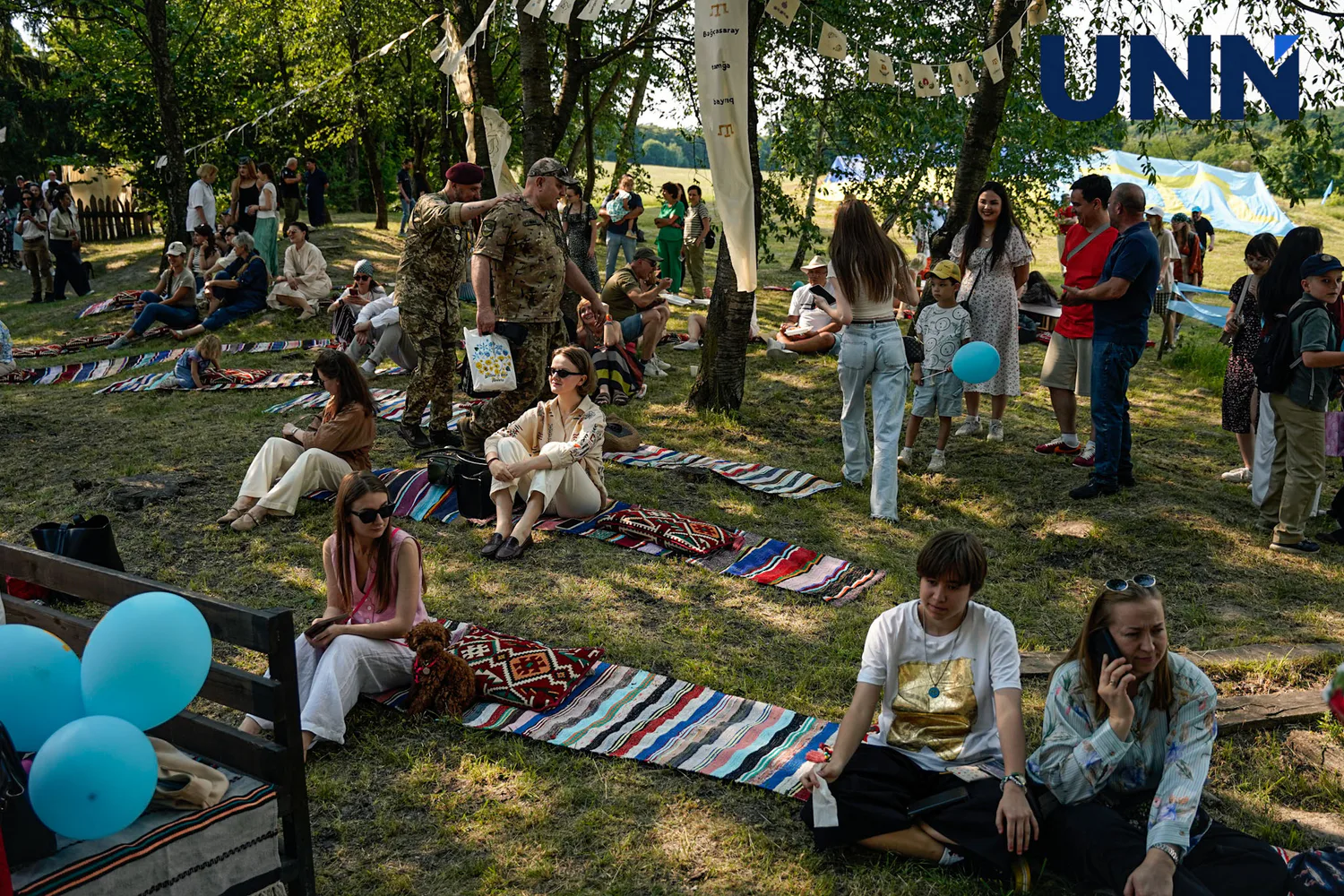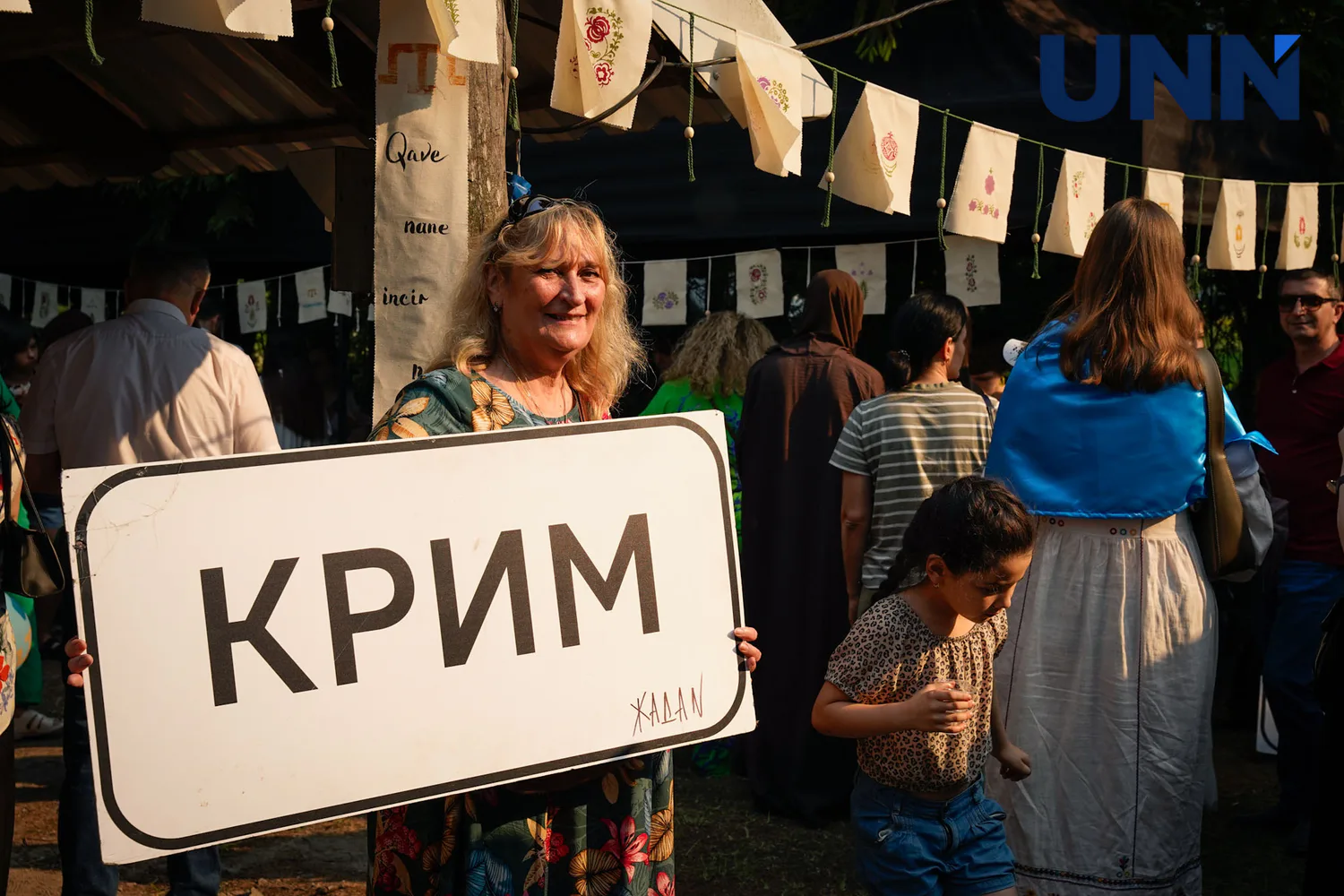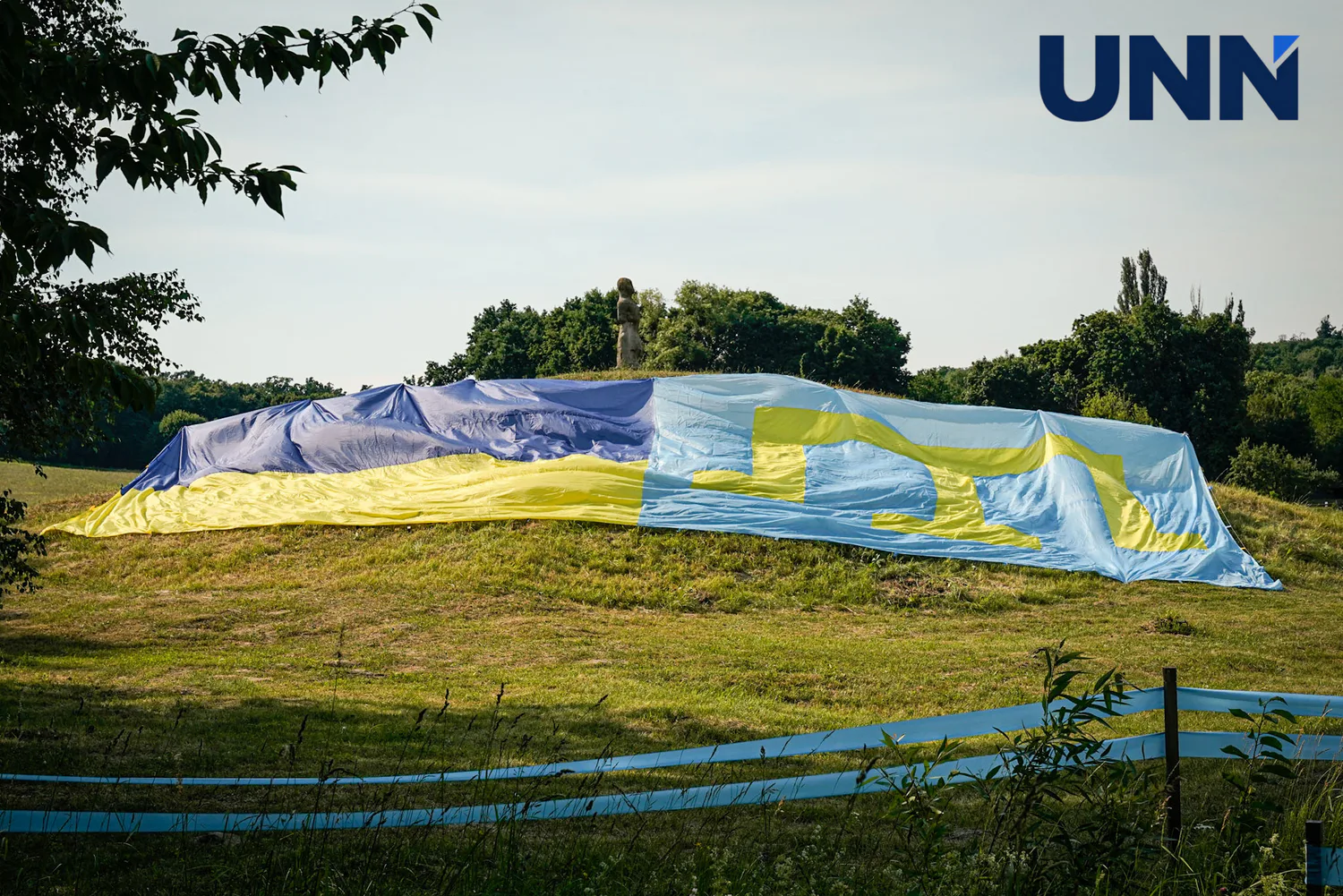
On June 26, on the Day of the Crimean Tatar Flag, the foundation was laid for the first house of the future "Crimean Tatar Homestead" exhibition at the National Museum of Folk Architecture and Life of Ukraine in Pyrohiv. Along with Kyiv soil, a handful of Crimean soil was poured into the foundation — a symbolic connection of two lands through concrete and sand.
Whose house will be first
The first reconstruction is a house from the steppe village of Bakhcha-Eli in the Karasubazar District (after the deportation of Crimean Tatars in 1944, renamed Bilohirsk). This is a so-called chit ev — a "wattle house" from the early 20th century: wooden frame, wicker, clay. Since it is impossible to transport original structures from occupied Crimea, scholars worked with drawings and preserved monuments.
Overall, the project provides for nine homesteads representing different regions of Crimea — steppe, mountainous, and coastal. Inside, plans include exhibiting ceramics, dishes, textiles, clothing, and household items.
"The tenth homestead will be built after the deoccupation of Crimea".
Press Service of the National Museum of Folk Architecture and Life of Ukraine
Without state budget
Museum Director Oksana Povyakel frankly acknowledged at the start of the project: the state does not allocate funds for the "Crimean Tatar Homestead". The project is financed through partnerships — Baker Tilly Ukraine company, the State Enterprise "Crimean House," and the "Crimean Front" initiative — and relies on public collections from the Crimean Tatar community. In other words, a permanent museum exhibition about Ukraine's indigenous people is being built essentially without a single line in the state budget.
What is Pyrohiv and why does it matter
The National Museum of Folk Architecture and Life is Ukraine's largest open-air museum, founded in 1969: 150 hectares, over 300 authentic structures from all historical and ethnographic regions of the country. However, until 2022, Crimean Tatar heritage was absent from it — despite the fact that Crimea officially belongs to Ukraine as one of its regions. Refat Chubarov, chairman of the Mejlis, emphasized at the ceremony: the restoration of Crimean Tatar culture is an issue not only for one people.
- First house — a homestead from steppe Crimea, early 20th-century chit ev
- Next — mountainous and coastal architecture of Crimea
- Tenth homestead — conditionally "frozen" until deoccupation
- Financing — through partnerships, without state budget
Director Povyakel called Pyrohiv "a place where the deoccupation of Crimea will begin" — rhetoric that is powerful, but the real question is more pragmatic: if nine homesteads are being built without state budget, will a separate line of financing appear before the project loses momentum — or will the community sustain it alone?