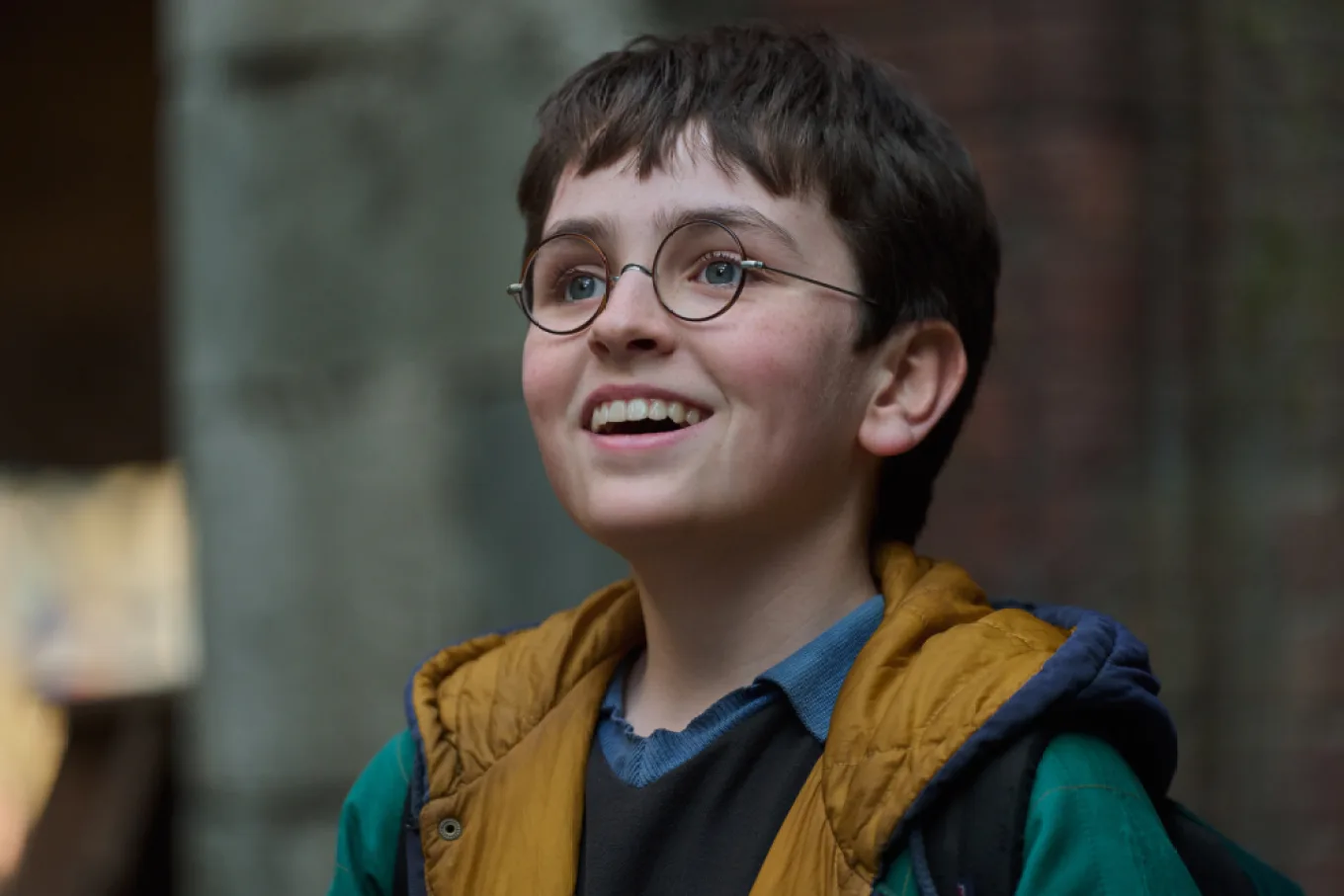
HBO Max has released the first trailer for the series "Harry Potter and the Philosopher's Stone" — the premiere is scheduled for this Christmas. Formally, this is just a new teaser. In fact, it marks the launch of a project designed to last at least a decade.
The thing is, the studio has immediately announced: the series will have seven seasons, one for each of J.K. Rowling's books. For comparison: the original films were made in eight installments over ten years, and that was already considered a marathon for child actors who literally grew up on screen.
The main problem — not the plot, but time
The serial format assumes at least one or two years between seasons. If HBO maintains this pace, the final season will be released around 2037–2039. By that time, the child actors currently being cast for the roles of Harry, Ron, and Hermione will have grown into adults — and viewers will either have to watch as characters suddenly "age up" between seasons, or the studio will take the risk of recasting parts of the ensemble.
In the film universe, this problem was once solved quite simply: all the films were shot consecutively over ten years with the same actors who genuinely aged alongside the characters. In the serial format with pauses between seasons, it's more difficult to recreate this natural effect.
Why HBO is taking this risk anyway
The answer is simple — long-term content keeps subscribers for years. A one-time film viewing cannot compare to the effect of a series that brings audiences back to the platform every year for a decade. This is the same model that drove the success of "Game of Thrones," only stretched twice as long and with a much more predictable source material — fans know the plot by heart, so the studio will have to compete not with intrigue, but with expectations about details and acting performances.
The first season of "The Philosopher's Stone" will be a test: if HBO manages to maintain production pace and quality, the series could become a new standard for adaptations. If not, viewers will get a drawn-out story that would have been easier to watch in the format of eight films in one evening.
The question that remains open: is the audience of the 2020s ready to wait nearly twenty years for the final season, or will streaming platforms themselves change so much by then that the concept of "one season a year" will lose its meaning?