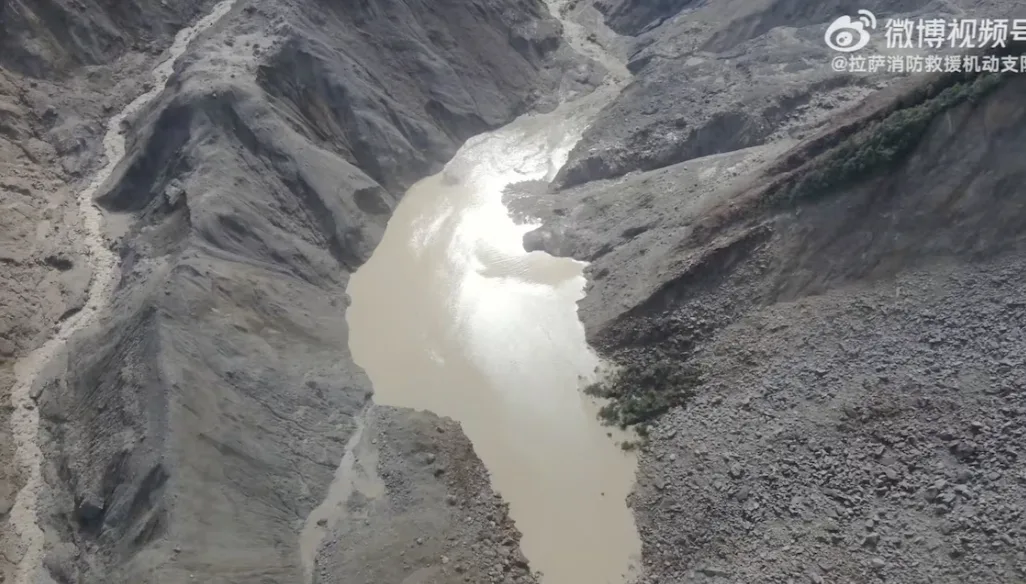
The figure of 56 appeared in the Foreign Ministry reports a few days ago and has remained unchanged since — neither decreasing nor increasing. Meanwhile, the total number of victims from the Himalayan disaster is approaching 800, and the number of missing persons exceeds 3,000. Ukrainians are not yet listed in this statistics among either the dead or the injured.
It looks like a pause, but in reality, it reflects the specifics of how missing persons are counted during large-scale natural disasters.
Why "56" is not a list of names, but a list of signals
When the Foreign Ministry says "56 missing," it is not referring to a confirmed list of people whose location is definitively unknown to rescue workers on the ground. Rather, it is the number of appeals from relatives and acquaintances who cannot reach Ukrainians who were in the disaster area — in tourist groups, on trekking routes, in hotels near the flood zone.
Many of these 56 could well be alive and well, simply without communication: cell towers in the mountains were damaged, and according to the Foreign Ministry, only one station has been restored so far, with nine more in progress. In Nepal's mountainous areas, even on ordinary days mobile communications work unstably, and after landslides and infrastructure destruction, losing contact with relatives for several days is not uncommon even without a threat to life.
What is actually happening on the ground
The search and rescue operation, judging from the Foreign Ministry's description, is currently focused on two directions. The first is direct search for people: over 2,000 rescuers, life detection equipment, rescue dogs, "carpet" searches in the area of the border checkpoint where personal belongings of missing persons are found. The second is infrastructure restoration: clearing rubble, repairing road G216 leading to the Zhirong checkpoint, restoring communications.
Both directions are critical precisely for verifying the Ukrainian list. As long as the road to the checkpoint is not restored and communications do not work throughout the affected area, some people cannot physically report on themselves — even if alive and located in a safe place on the other side of the rubble.
As of now, citizens of Ukraine are absent from the lists of the dead or injured
What this means for relatives waiting for news
The Foreign Ministry, consular service, and embassies in India and China maintain contact with families of the missing and coordinate with local authorities and search teams. However, the speed at which the list of 56 will begin to change depends not on diplomats, but on the pace of communications restoration and road clearance in the mountainous region, where the risk of repeated landslides remains high.
If cell towers become operational throughout the disaster area within the coming days, it is quite likely that most of the 56 will simply establish contact on their own — this often happens after similar disasters. The question is how much time Chinese and Nepali rescue workers will need to reach the hardest-hit areas before they are struck by repeated landslides.