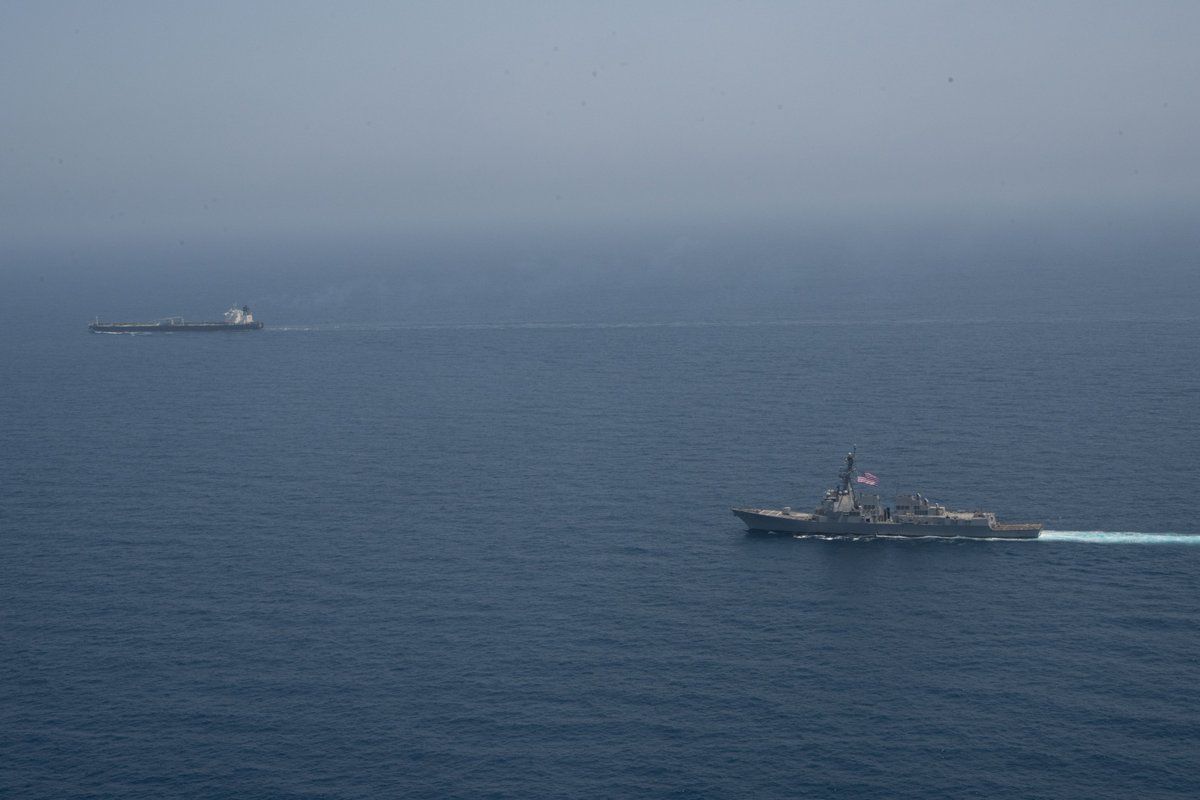
One tanker is several hundred thousand barrels of oil, tens of millions of dollars, and another occasion for Tehran to claim "piracy." Thirty-seven such vessels represent a systemic operation that is already changing the logic of Iranian oil exports.
U.S. naval forces confirmed the interception of another tanker from Iran's so-called "shadow fleet"—a flotilla of vessels operating outside official registries, frequently changing names and flags to circumvent sanctions. This marks the 37th vessel with confirmed sanctioned status seized since the blockade of the Strait of Hormuz began.
How the "shadow fleet" works
Iran has spent years building parallel logistics infrastructure: tankers with opaque ownership, routes through third countries, and oil transfers in neutral waters. The system allowed Tehran to sell oil despite sanctions—primarily to China and through intermediaries in Southeast Asia. According to Kpler analysts' estimates, even before the escalation, Iran was exporting approximately 1.5 million barrels per day through this method.
The interception of 37 vessels is not merely cargo confiscation. Each seized ship removes from circulation an asset that is difficult to replace: the "shadow fleet" cannot openly replenish itself through the official shipbuilding market.
What the Strait of Hormuz blockade changes
The Strait of Hormuz is the passage through which approximately 20% of global oil trade flows. Iran traditionally used it as leverage: threats to close the strait regularly appeared in Tehran's rhetoric during escalations. Now the situation is reversed—it is American presence that limits Iranian transit, not the other way around.
For the global market, this has a dual effect. On one hand, reduced Iranian supply theoretically pushes prices upward. On the other, Saudi Arabia and other OPEC+ producers have spare capacity and are interested in filling the gap.
The weak point
The operation appears successful in numbers, but has a vulnerable spot: none of the interceptions have been accompanied by a public trial with transparent chain of evidence regarding vessel ownership. Attribution—"sanctioned status"—is determined unilaterally by the American side. This does not mean it is false, but it leaves room for challenges in third countries that do not recognize American jurisdiction over the high seas.
Iran, for its part, qualifies each interception as an act of piracy and uses them in domestic propaganda. How much this translates into actual consolidation of Iranian society around the regime is a separate question that Western analysts tend to underestimate.
What comes next
37 vessels is a significant number, but the "shadow fleet" on a global scale numbers several hundred units according to various estimates, some of which service not only Iran but also Russia and Venezuela. The American operation is targeted, not comprehensive.
The key question is not how many tankers will be intercepted next month—but whether the Iranian economy can sustain the pace of losses until Tehran either sits down for negotiations regarding its nuclear program or finds a logistical workaround that the United States cannot close as effectively.





