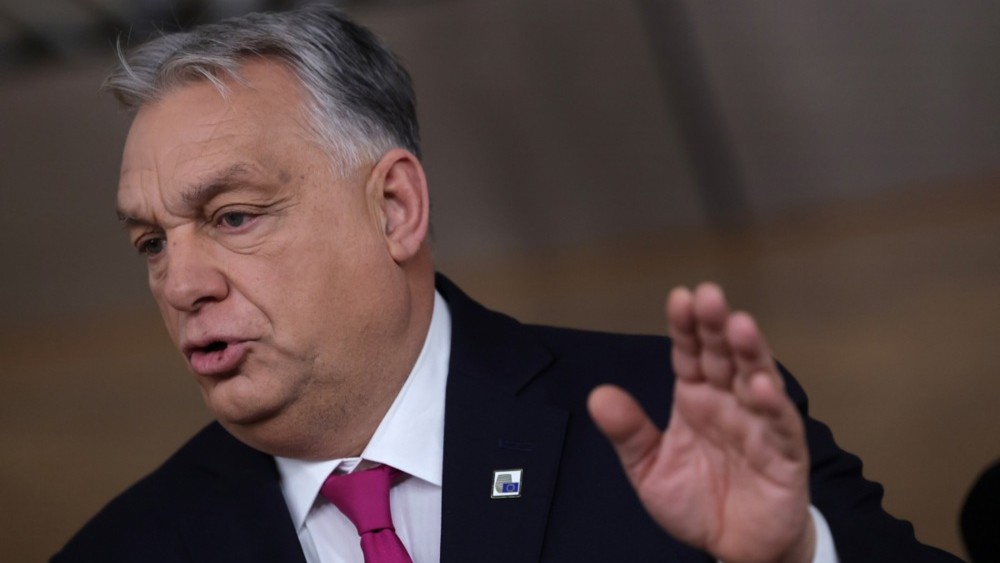
Viktor Orbán will not go to parliament. After "Fidesz" lost the April local and general elections to Hungarian opposition led by Péter Magyar, the party leader announced that his place is not in the legislative hall, but within the party structure.
"Right now I am not needed in parliament," Orbán said, commenting on his decision. Briefly, without details.
What is really happening
"Fidesz" spent three decades building a system in which the party and the state were almost synonymous. Orbán shaped the agenda from the prime minister's chair, and parliament mostly formalized already-made decisions. Now this construction is broken: "Fidesz" is in opposition, and the role of a deputy for Orbán is a role without leverage.
By remaining party chairman outside parliament, he retains control over the organization, personnel decisions, and financial flows — something that in the Hungarian system means real power even in opposition.
An unprecedented precedent
For Hungary, this is a new situation. "Fidesz" never taught its members to be in opposition — the party built exclusively on the logic of holding power. Orbán's absence from parliament could mean either that he is already projecting a return in four years and does not want to "wear himself out" in daily debates, or that there is turbulence within the party that he cannot leave without personal control.
Péter Magyar, whose coalition won the victory, has already stated that he plans to conduct an audit of state finances during the years of "Fidesz" rule. This investigation — not parliamentary speeches — may determine how long Orbán's departure from public politics will last.
Will Orbán's decision remain a tactical maneuver if the new government actually proves facts of systemic abuses and submits them to court?





