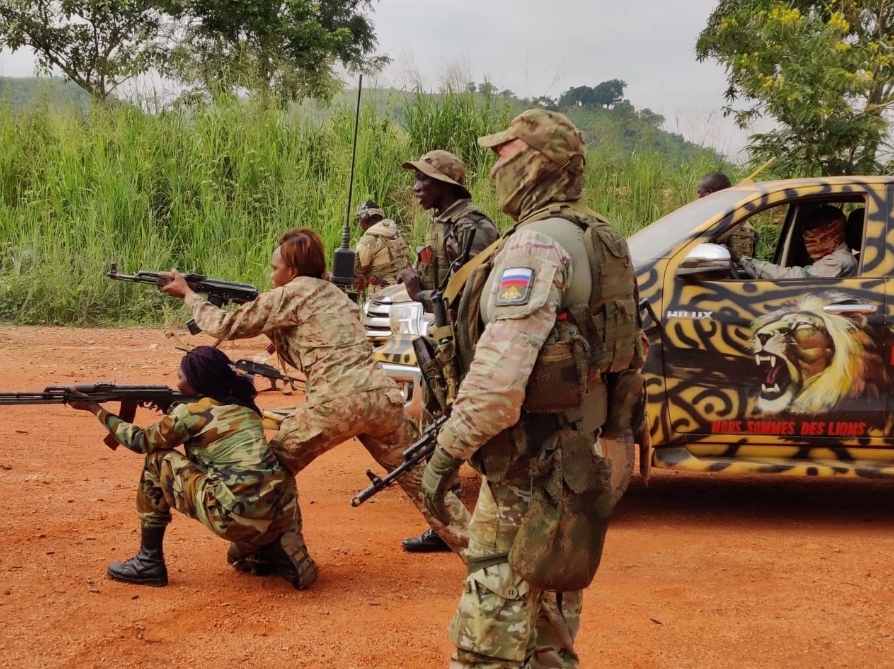
Ukraine's Foreign Intelligence Service has documented that Russia plans to expand its so-called "African Corps" — a structure that effectively replaced Wagner after Prigozhin's death — by 12,000 personnel by the end of 2024. But the figure is merely the tip of the iceberg.
According to the SZR, Moscow is deliberately forming not just a military presence in Africa, but a full-fledged security services market. The package includes three components: training local security forces, supplying electronic warfare systems, and drone technologies — the very ones Russia is testing on the Ukrainian front.
Export Logic
The mechanics are simple: what is being tested against Ukraine today is sold to African regimes tomorrow. EW systems, drone tactics, counter-drone solutions — all of this becomes merchandise. African governments seeking a cheaper alternative to Western military partnership without human rights conditions become natural buyers.
This is not a new model — the Soviet Union did the same in the 1970s. But there is now a key difference: real combat experience from a large-scale war, which the USSR lacked at the time of its African adventures.
What Lies Behind the Numbers
12,000 is not simply soldiers. The African Corps operates differently from a conventional army: instructors, regime guards, equipment operators. Small but critical groups for the survival of specific governments. This is why Bolivia, Burkina Faso, Mali, and Niger are no random selection of countries. These are states where government legitimacy is sustained by coercive resources rather than electoral support.
The SZR also documents that Russia is actively offering training programs — not only combat-focused, but also in information space management and "stabilization" of internal conflicts. In other words: suppression of opposition with technological support.
Why This Matters Beyond Africa
Each successful deal is a resource for continuing the war against Ukraine. African contracts give Moscow currency, sanctions evasion through third countries, and diplomatic cover during UN votes. Of 54 African states, more than 25 either abstain or vote against resolutions condemning Russian aggression.
The West has responded slowly so far. The US and EU have their own security partnership programs with Africa, but they are more bureaucratic, expensive, and tied to conditions that not all governments are willing to meet.
The real question is not whether anyone will stop the expansion of the African Corps in the near term — obviously they won't. The question is different: if the West does not offer African countries a security package without political conditions or with more acceptable terms, will it retain leverage over these states' votes at the moment when it is critically needed?





